



Is Hair Transplant Painful?
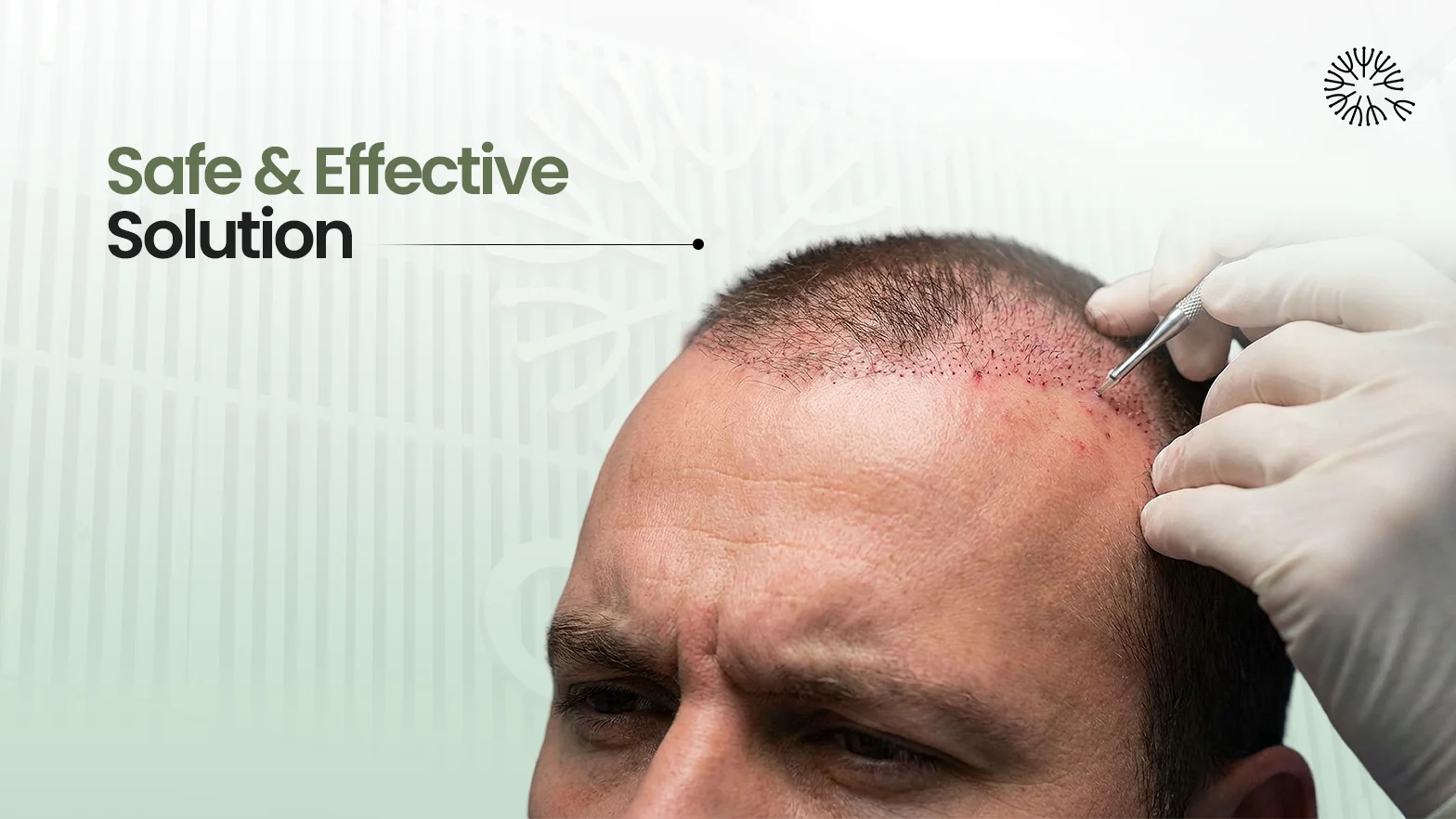
Hair transplant surgery is widely regarded as one of the most effective and permanent solutions for hair loss. But for most people, the biggest concern isn’t the result, it’s the experience itself. “Will it hurt?” is often the question that creates hesitation, especially when you imagine needles, scalp procedures, and long surgical hours.
If you’ve never undergone a medical procedure before, feeling unsure or slightly anxious about the sensation is completely natural. The reality, however, is very different from what most people expect. Modern hair transplant techniques are designed with patient comfort in mind. With advanced methods, precise anaesthesia, and refined surgical protocols, the procedure is far more manageable than people assume.
At QHT Clinic, patient comfort and safety are at the core of everything we do. With over 15,000+ successful procedures and a highly experienced surgical team, every detail, from anaesthesia delivery to graft handling, is optimised to keep discomfort to an absolute minimum. To learn more about our hair transplant procedure, connect with our hair transplant experts.
In this blog, we’ll walk you through what you can realistically expect before, during, and after the procedure, so you can separate myths from reality and move forward with clarity and confidence.
| Quick Answer
A hair transplant is not as painful as most people expect. The only noticeable discomfort usually occurs during the administration of local anaesthesia, which feels like a few quick pinpricks and lasts only a few seconds. Once the scalp is numb, the rest of the procedure is generally comfortable, with patients only feeling light pressure or mild movement. After the procedure, it is normal to experience slight soreness, tightness, or sensitivity in the scalp for a few days. This discomfort is mild, temporary, and can be easily managed with prescribed medication and proper aftercare. Most patients find that these sensations improve significantly within the first week. |
Table of Contents
- Why Pain Is Such a Common Concern in Hair Transplants?
- Is Hair Transplant Painful?
- What You Actually Feel: A Step-by-Step Breakdown of the Procedure
- Pain Timeline: What Recovery Feels Like Day by Day
- Factors That Affect Pain Levels
- How to Reduce Pain Before, During, and After Surgery?
- When Pain Is NOT Normal (Warning Signs)
- Why Choose QHT Clinic?
- Conclusion
- Frequently Asked Questions
Why Pain Is Such a Common Concern in Hair Transplants?
Pain is one of the biggest psychological barriers when considering a hair transplant. Much of this fear comes from outdated perceptions of surgery or a lack of clarity about how the procedure actually works today.
Earlier techniques were more invasive, which naturally led to greater discomfort. But modern approaches have evolved significantly. Today’s procedures are minimally invasive, highly controlled, and performed under local anaesthesia.
In clinical reality, most patients do not experience “pain” in the traditional sense. What they notice instead is brief, mild discomfort at specific moments, rather than anything continuous or intense.
Is Hair Transplant Painful?
A hair transplant is not completely sensation-free, but it is far from painful in the way most people imagine.
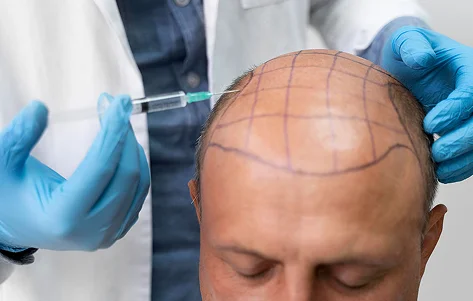
What you can expect is short-lived, mild discomfort at the beginning, followed by a largely comfortable experience for the rest of the procedure. The only stage where you may feel noticeable discomfort is during the administration of local anaesthesia. This typically feels like a few quick pinpricks on the scalp. The sensation lasts only a few seconds, after which the area becomes numb.
Once the anaesthesia takes effect, you will not feel pain during graft extraction or implantation. Instead, you may notice:
- A sense of light pressure
- Subtle movement on the scalp
- Occasional mild sensitivity
These are normal sensations, but they are not painful.
When clinics describe a hair transplant as “painless,” what this means medically is that pain is effectively controlled and reduced to a minimal, tolerable level. You remain comfortable, aware, and at ease throughout the procedure.
What You Actually Feel: A Step-by-Step Breakdown of the Procedure
Understanding what happens at each stage can make a significant difference in how you feel about the procedure. When you know what to expect, the uncertainty, and the fear of pain naturally reduces.
Step 1: Anaesthesia Administration
This is the only stage where you’re likely to notice any real discomfort. The injections may feel like a few quick pinpricks or a brief stinging sensation. It’s momentary and usually lasts just a few seconds at a time.
As the anaesthesia begins to take effect, the scalp gradually becomes numb. Once this happens, the rest of the procedure feels significantly easier, and most patients start to relax.
Step 2: Graft Extraction
With the donor area fully numbed, you won’t feel pain during extraction. What you may notice instead is a sense of gentle pressure or subtle movement on the scalp. This phase is typically calm and uneventful, and many patients remain comfortable enough to simply rest during this time.
Step 3: Channel Creation and Implantation
This stage is also carried out under anaesthesia, so there is no sharp or active pain involved. You may feel light touch sensations or occasional pressure, but nothing uncomfortable. By this point, most patients are fully at ease, as the process remains controlled and predictable.
Step 4: Immediately After Surgery
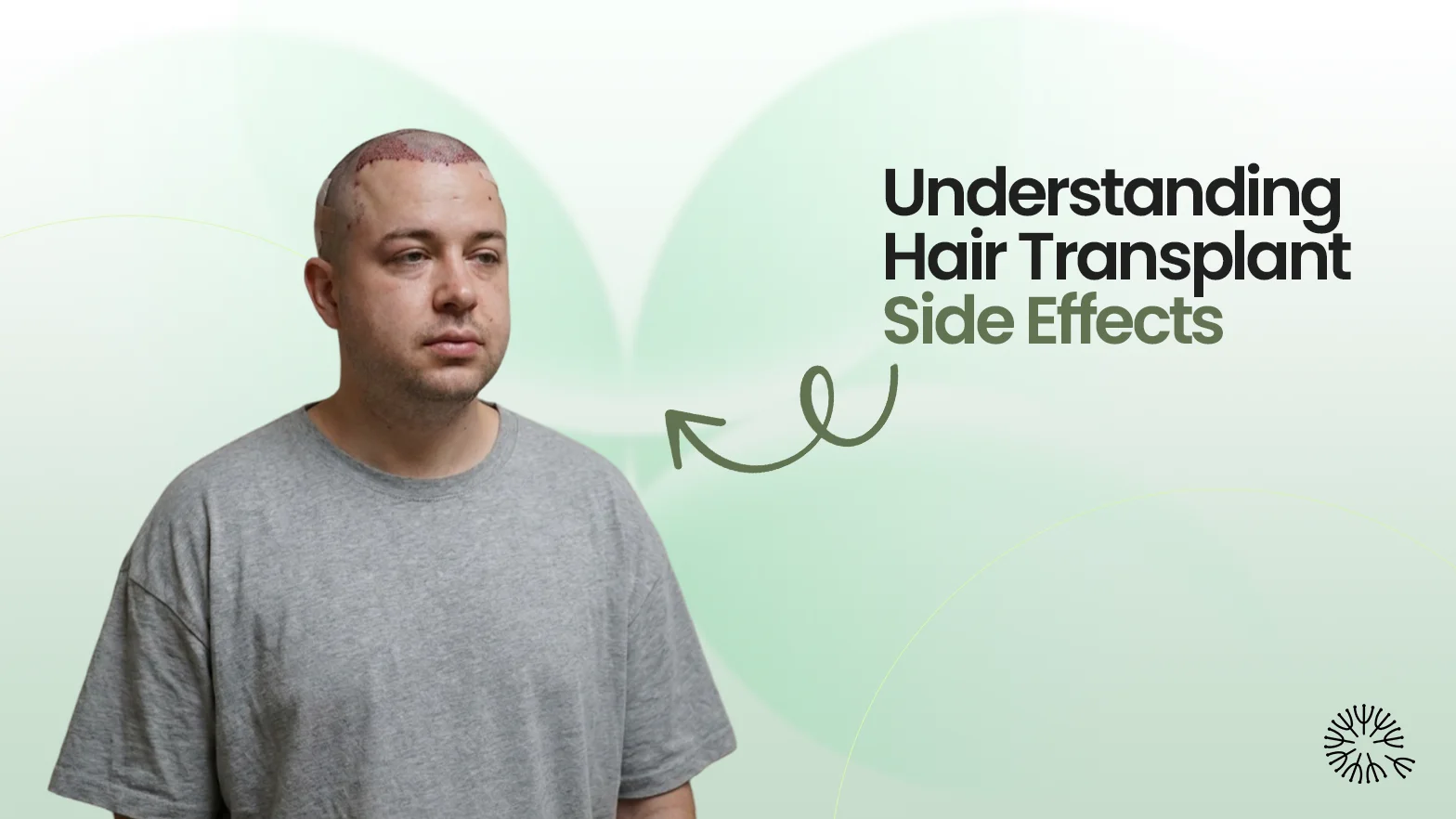
As the anaesthesia gradually wears off, it is normal to feel some mild soreness or tightness in the scalp, particularly in the donor area. This doesn’t feel intense; it is more like a temporary sensitivity. With the help of prescribed medication, this phase is well-managed, and most patients are able to rest and recover without significant discomfort.
Pain Timeline: What Recovery Feels Like Day by Day
One of the most reassuring things to know is that any discomfort after a hair transplant follows a predictable pattern and improves quickly. Here’s what you can realistically expect as your scalp heals:
Day 1–2
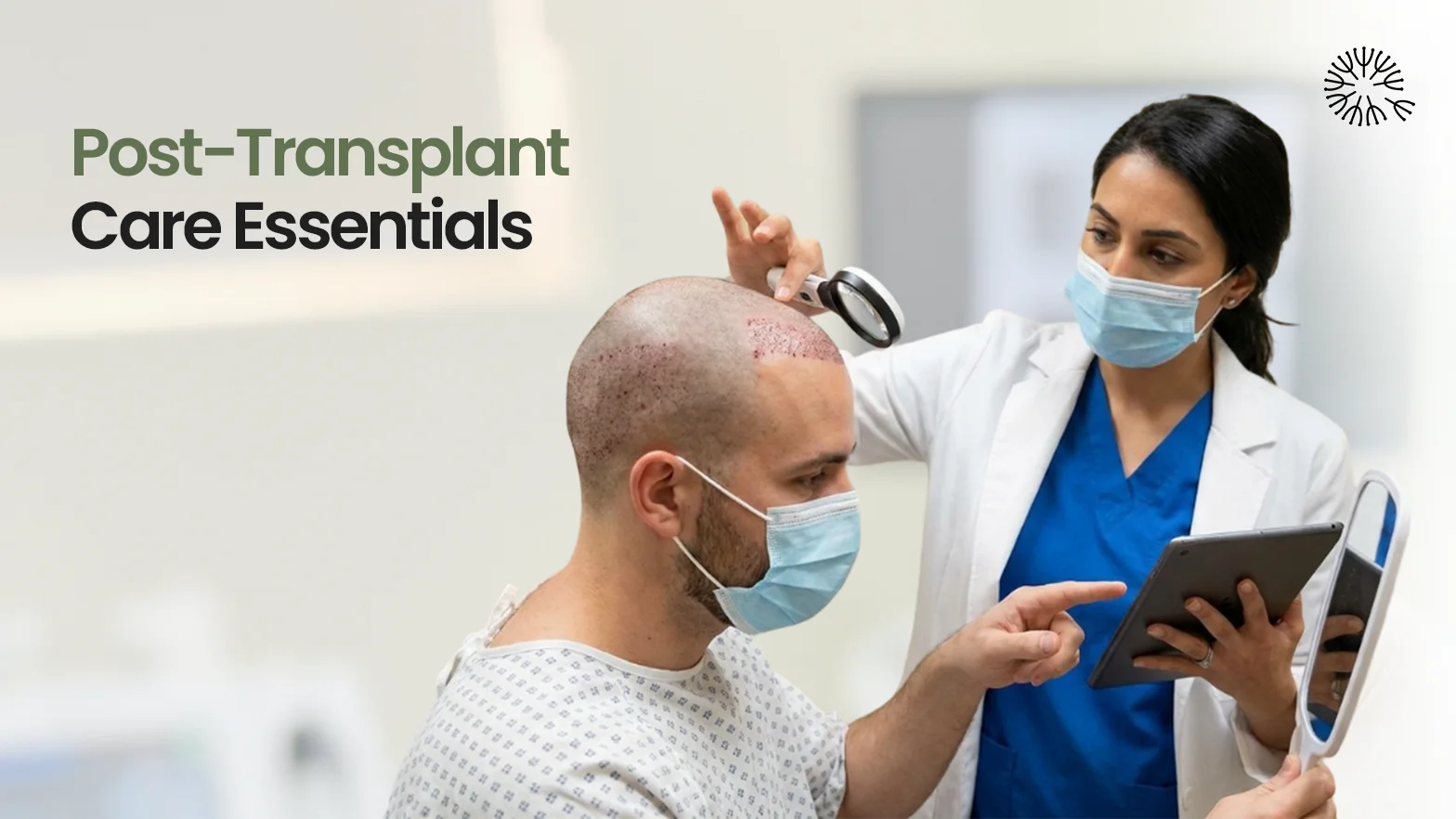
This is when you may notice the most sensitivity. You might feel mild soreness, a sense of tightness, or slight tenderness in both the donor and recipient areas. While this is the most noticeable phase, it is still very manageable. With prescribed medication and proper aftercare, most patients remain comfortable and are able to rest without much difficulty.
Day 3–5
By this stage, discomfort begins to settle down significantly. The scalp starts healing, and what you may notice instead is mild itching or light sensitivity rather than soreness. This is a positive sign of recovery, and for most patients, pain is minimal or barely noticeable at this point.
Week 1–2
Most of the initial discomfort has resolved. Scabs begin to fall off naturally, and the scalp starts to feel more normal again. You may experience occasional sensitivity, but it’s mild and does not interfere with daily activities.
Month 1 and Beyond
At this stage, pain is no longer a concern. The scalp has healed well, and recovery has largely stabilised. Some patients may notice slight numbness or a feeling of tightness in certain areas. This is temporary and gradually improves as the healing process continues.
Factors That Affect Pain Levels
Not everyone experiences a hair transplant in exactly the same way. While the procedure is generally comfortable, a few personal and clinical factors can influence how it feels during and after the process.
Pain Tolerance
Every individual perceives sensations differently. What feels like mild discomfort to one person may feel slightly more noticeable to another. This variation is completely normal. It doesn’t mean the procedure itself is painful. It simply reflects how your body interprets those sensations.
Graft Count
The number of grafts being transplanted can influence your overall experience. Larger sessions take more time, which may lead to slightly increased soreness or a feeling of tightness afterward. Even in such cases, the discomfort remains temporary and settles quickly with proper care.
Surgeon skill
This is one of the most important factors. An experienced surgeon uses precise techniques, gentle handling, and well-planned anaesthesia, all of which significantly reduce discomfort. A skilled team can make the entire experience feel much smoother.
Anxiety levels
Your mental state plays a bigger role than most people expect. If you’re feeling anxious or tense, your body can become more sensitive to even minor sensations. On the other hand, when you feel informed and relaxed, the same experience often feels significantly easier and more controlled.
Climate & sweating
In warmer climates, sweating can sometimes increase sensitivity or mild irritation during the recovery phase. Proper aftercare and hygiene help keep you comfortable and prevent any added discomfort.
How to Reduce Pain Before, During, and After Surgery?
The good news is that discomfort during a hair transplant is not only minimal, it is also something you can actively reduce. With the right preparation and a few simple precautions, the entire experience can feel far more comfortable than you might expect.
Before the Procedure
What you do before your procedure has a direct impact on how your body responds during and after it.
- Get proper rest: When your body is well-rested, it handles both the procedure and recovery more easily.
- Avoid alcohol and smoking: These can increase sensitivity and interfere with healing, making recovery feel more uncomfortable than necessary.
- Follow pre-procedure instructions carefully: Whether it is washing your scalp or adjusting medications, these guidelines are designed to keep the process smooth and controlled.
- Eat a light meal before surgery: This helps you stay relaxed and prevents any feelings of weakness during the procedure.
- Stay mentally prepared: When you know what to expect, your body is naturally more at ease, and that alone can make a noticeable difference in how you experience the procedure.
During the Procedure
Once the procedure begins, your role is simple: stay relaxed and let the medical team guide you.
- Trust the anaesthesia process: The initial injections are brief, and once numbness sets in, you remain comfortable throughout.
- Communicate openly: If you feel any discomfort at any point, your doctor can immediately adjust anaesthesia levels.
- Keep yourself at ease: Many patients listen to music, watch something, or simply rest during the procedure.
- Avoid unnecessary movement: Staying still helps the surgeon work precisely, which reduces overall scalp sensitivity.
After the Procedure
How you care for your scalp afterward plays the biggest role in how it feels over the next few days.
- Take prescribed medications on time: These are specifically given to keep soreness and sensitivity under control.
- Follow aftercare instructions closely: Gentle washing, the right sleeping position, and avoiding unnecessary contact with the scalp all help prevent irritation.
- Limit sweating and heat exposure initially: This reduces the chances of itching or added sensitivity.
- Avoid scratching or picking scabs: Letting the scalp heal naturally prevents discomfort and supports better results.
- Give your body time to heal: Most sensations improve quickly, often within just a few days.
When Pain Is NOT Normal (Warning Signs)
Some level of mild discomfort, tightness, or sensitivity after a hair transplant is completely normal. However, pain that feels intense, worsening, or unusual should not be ignored. Knowing the difference helps you act early and avoid complications.
Severe or increasing pain after a few days
Discomfort should gradually improve, not get worse. If you notice pain intensifying after the initial recovery period, it may need medical attention.
Persistent throbbing or sharp pain
Hair transplant recovery is usually associated with mild soreness, not sharp or pulsating pain. This could indicate irritation or an underlying issue.
Excessive redness, swelling, or warmth
Some redness is expected, but if the area becomes increasingly inflamed, tender to touch, or warm, it may be a sign of infection.
Pus or unusual discharge
Any fluid that looks yellow, green, or has an unpleasant smell is not normal and should be checked by your doctor immediately.
Fever or general discomfort
If you develop a fever or feel unwell along with scalp pain, it’s important to seek medical advice without delay.
If you notice any of these signs, it’s always better to reach out to your clinic early. Prompt guidance ensures your recovery stays on track and complications are avoided.
Why Choose QHT Clinic?
Choosing the right clinic plays a major role in not just your results, but also how comfortable and confident you feel throughout the process. At QHT Clinic, every aspect of hair restoration is designed around precision, safety, and patient experience.
With 15,000+ successful hair transplant procedures, QHT has built a strong foundation of clinical expertise and consistency. This depth of experience allows the team to anticipate patient needs, refine techniques, and deliver predictable, natural-looking outcomes.
The Advantages of the QHT (Quick Hair Transplant) Technique
One of the key reasons patients choose QHT Clinic is its proprietary Quick Hair Transplant (QHT) technique, a method developed through years of surgical refinement to make the entire process more efficient, precise, and comfortable. Each advantage below contributes not just to better results, but also to a smoother overall experience.
Reduced Procedure Time
The QHT technique is designed to streamline the implantation process without compromising precision. By reducing the total time you spend undergoing the procedure, it minimises physical strain and fatigue. A shorter procedure also means less time under anaesthesia, which directly improves overall comfort.
Minimally Invasive Approach
Every step of the QHT technique focuses on gentle handling of the scalp and grafts. By minimising unnecessary trauma to both the donor and recipient areas, the procedure feels less taxing on the body. This also contributes to quicker healing and reduced post-procedure sensitivity.
Higher Graft Survival Rate
Optimised extraction and implantation methods ensure that each graft is handled with care and placed under ideal conditions. This increases the likelihood of graft survival, which directly impacts the density and success of the final outcome. Better graft survival also means more predictable and long-lasting results.
Trusted by Patients Across the Globe
QHT Clinic has earned the trust of international patients who travel specifically for its expertise in hair restoration. This global recognition reflects consistent results, transparent processes, and a strong focus on patient safety and comfort. Choosing a clinic trusted beyond local boundaries adds an extra layer of confidence to your decision.
Advanced Medical Teams and Technology
At QHT, procedures are performed by highly trained medical professionals who specialise exclusively in hair transplants. Their experience is supported by the use of advanced surgical tools and modern techniques that enhance precision at every step. Strict adherence to medical safety and hygiene protocols, along with continuous patient monitoring, ensures a controlled and comfortable experience from start to finish.
Proven Clinical Track Record
With over 15,000+ procedures performed, QHT Clinic brings a depth of experience that translates into confidence and consistency for every patient. This extensive track record reflects the ability of our clinic to handle a wide range of hair loss patterns and case complexities with a refined, well-practiced approach.
Conclusion
A hair transplant is not completely without sensation, but it is far from the painful experience most people imagine. What you’re more likely to feel is brief, manageable discomfort at the start, followed by a comfortable procedure and mild, temporary sensitivity during recovery.
If you’ve been holding back because of concerns about pain, speaking with an experienced team can give you the clarity you need. A personalised consultation can help you understand what to expect and take the next step with confidence. Book a personalised consultation with QHT’s hair transplant expert to understand more about our procedure.
Frequently Asked Questions
- Will I be awake during a hair transplant?
Yes, you will be awake during the procedure. Hair transplants are performed under local anaesthesia, which numbs the scalp while keeping you comfortable and aware. Most patients remain relaxed, and some even rest or nap during the process.
- Can I go back to work immediately after the procedure?
Most patients can return to non-strenuous work within 2–3 days. However, it’s best to avoid physically demanding activities or environments that cause sweating for at least a week.
- Does sleeping position affect pain after a hair transplant?
Yes, sleeping position can impact comfort. Keeping your head elevated for the first few nights helps reduce swelling and prevents unnecessary pressure on the scalp, making recovery more comfortable.
- Can I drive myself home after a hair transplant?
In most cases, yes. Since the procedure is done under local anaesthesia, you remain fully conscious. However, if you feel tired, it’s more comfortable to have someone accompany you.
- Is it normal to feel numbness instead of pain after a hair transplant?
Yes, mild numbness is a normal part of the healing process. It occurs due to temporary nerve sensitivity and usually improves gradually over time.
- Does scalp tightness after transplant mean something is wrong?
No, mild tightness is a normal part of healing, especially in the donor area. It usually improves within a few days as the scalp recovers.
- Is it normal to feel discomfort while washing hair after the procedure?
Yes, the scalp may feel slightly sensitive during the first few washes. Using a gentle technique as advised by your clinic helps keep this discomfort minimal.
Book a Consultation Today
Latest Videos
-

Rajpal Yadav | Bollywood Actor Hair Transplant Journey at QHT Regrow Clinic Haridwar
Click to Watch
-

FUE Hair Transplant Results | DAYA's FUE Hair Transplant Results
Click to Watch
-

Best Hair Transplant Result 2021 || NW Grade VI A || 3,422 Grafts
Click to Watch
-

Best Hair Transplant Result 2022 | Grade 4
Click to Watch
-

YouTuber Mehtab Saifi Hair Transplant
Click to Watch
-

ACP Pradyuman Hair Transplant - Actor's Hair Transplant
Click to Watch