



Hair Transplant in Delhi Guide
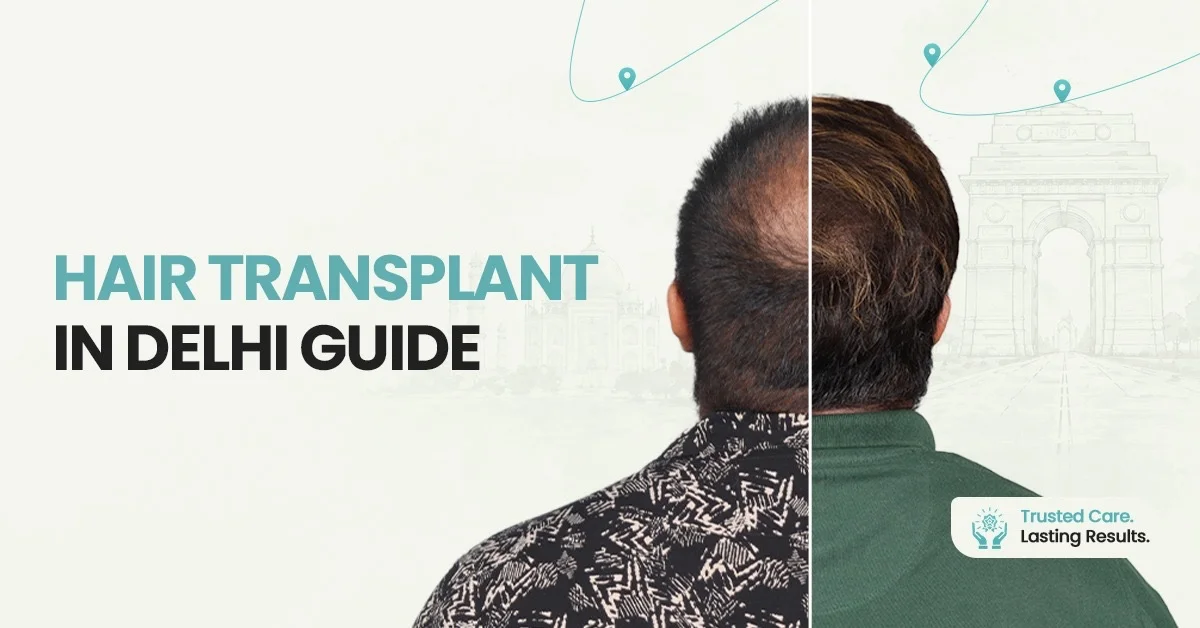
Hair transplant has become increasingly popular, with more people choosing a permanent solution over highly marketed serums and oils that promise to fix hair loss and stimulate regrowth but often fail to deliver meaningful results. While some serums can improve overall hair health, no serum or oil can magically regrow hair from a follicle that has already stopped functioning.
A hair transplant is the most reliable investment when it comes to permanent results, and more people in Delhi are making this choice.
Hair transplant procedures have evolved significantly with advanced techniques that effectively deliver natural, long-lasting results that align with patients’ expectations.
But before making the decision, having the right knowledge about the procedure, the techniques available, what makes you a candidate, and what recovery looks like is just as important as choosing the clinic.
This guide will walk you through everything you need to know about hair transplant in Delhi. From consultation to cost, prepared with insights from expert surgeons at QHT clinic.
Not sure if you are the right candidate? A personalised scalp evaluation at QHT Clinic Delhi will give you a clear answer. Book your consultation today.
Quick answer box
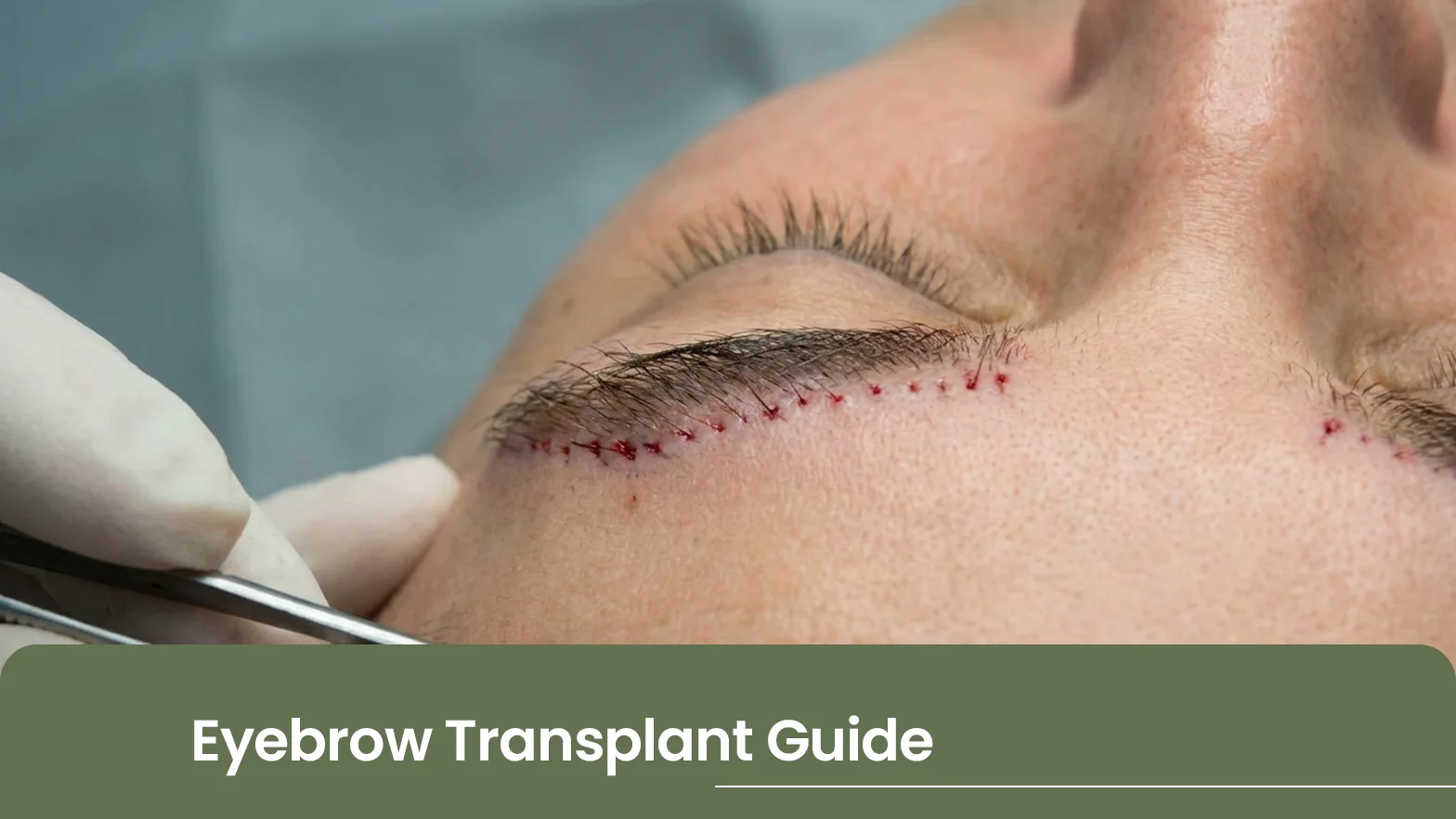
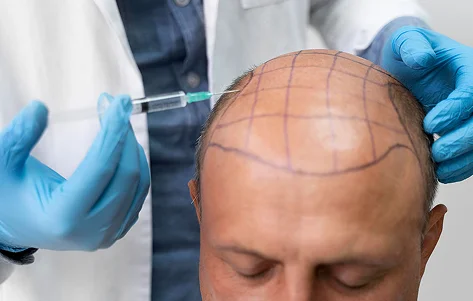
What is a Hair Transplant in Delhi?Hair transplant is a surgical procedure that restores your hair permanently by extracting the hair follicles from the donor site (typically the back of the scalp) and transplanting them to thinning or balding areas of the scalp, beard or eyebrow. The procedure is performed under local anaesthesia and takes about 6-7 hours, depending on the extent of the area to be covered. To sum it up:
|
Table of contents
- What Causes Hair Loss?
- The Science Behind Hair Transplant: Why It Works
- Are You the Right Candidate?
- Hair Transplant Techniques Available in Delhi
- Hair Transplant Cost in Delhi: Breakdown
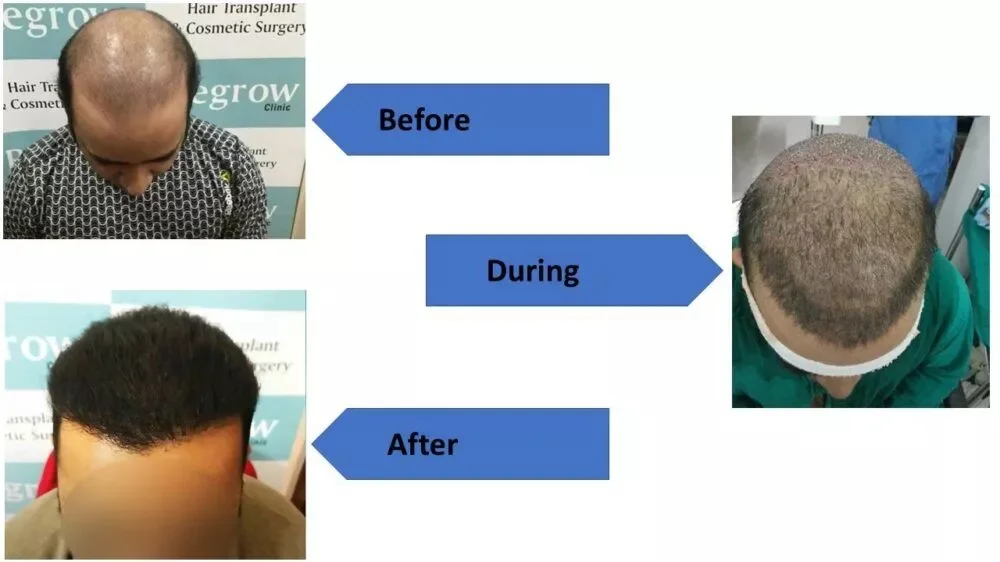
- What to Expect Before, During, and After Surgery
- How to Choose the Right Hair Transplant Clinic in Delhi
- Myths About Hair Transplant — Busted
- Frequently Asked Questions
- References
What Causes Hair Loss?
To understand why a hair transplant is the only option in certain cases, it helps to first understand the cause of the hair loss. Not every type of hair loss requires a surgical intervention; some types can be reversed with tiny changes in diet, lifestyle or treatment of the underlying triggering condition.
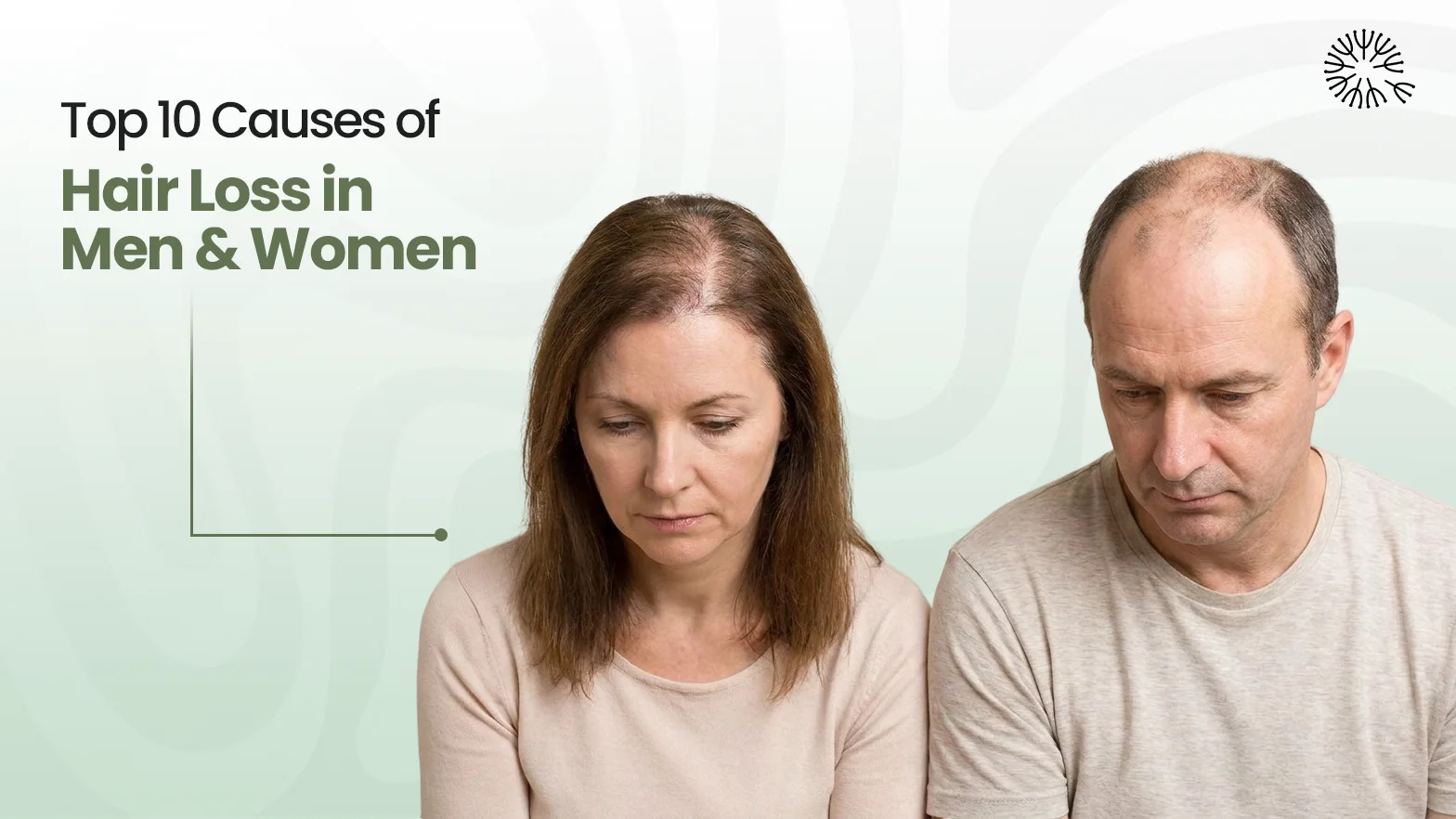
Androgenetic alopecia is the most common cause of hair loss. It affects up to 50% of men by the age of 50 and approximately 40% of women by menopause, with prevalence increasing with age. This type of hair loss leads to male and female pattern hair loss and is progressive.
Other factors that contribute to hair loss include
- Hormonal Changes: Conditions like PCOD, thyroid disorders and hormonal shifts that occur during pregnancy, postpartum recovery, and menopause can accelerate hair shedding.
- Chronic Stress Leading to Telogen Effluvium: A condition characterised by excessive shedding of hair due to chronic physical or emotional stress.
- Traction Alopecia: Wearing tight hairstyles damages the hair follicles due to constant pulling and tension on the hair follicles.
- Nutritional Deficiencies: Low levels of iron, zinc, biotin and vitamin D have been linked to hair loss.
- Autoimmune Diseases: Alopecia areata, an autoimmune disorder, causes sudden, patchy hair loss on the scalp, beard or other parts of the body due to the immune system attacking the hair follicles. In some cases, it can progress to complete baldness.
- Scalp Infections and Inflammation: Fungal infections due to ringworm and inflammatory conditions like seborrheic dermatitis can damage follicles and contribute to hair loss if untreated.
- Medications: certain drugs used for psychiatric disorders or cardiovascular disorders can also lead to hair loss as a side effect.
Understanding the underlying cause of the hair loss is the first step in hair transplant surgery. The type and pattern of hair loss directly define the surgical approach and whether surgery is appropriate at this stage.
The Science Behind Hair Transplant: Why It Works?
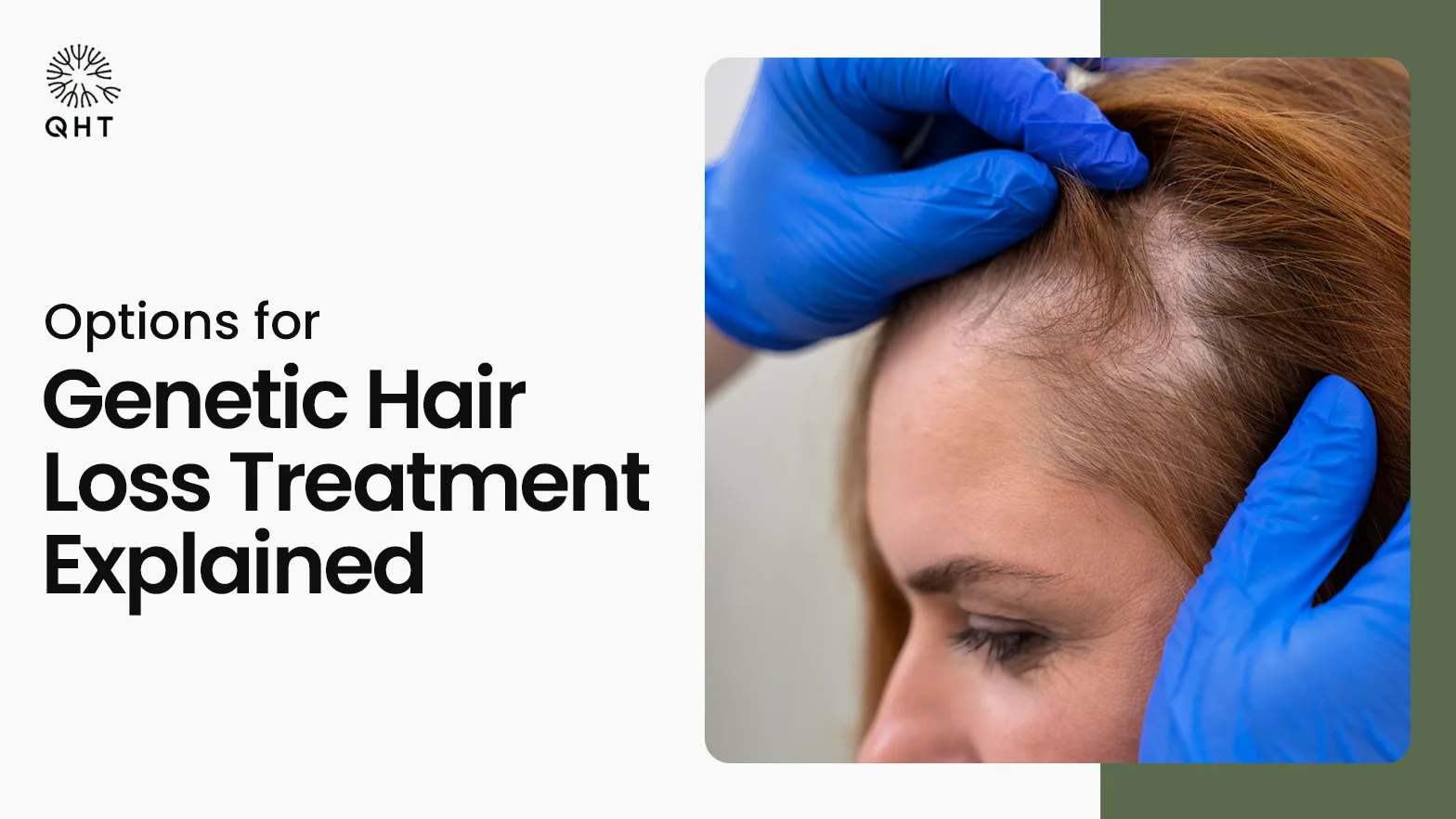
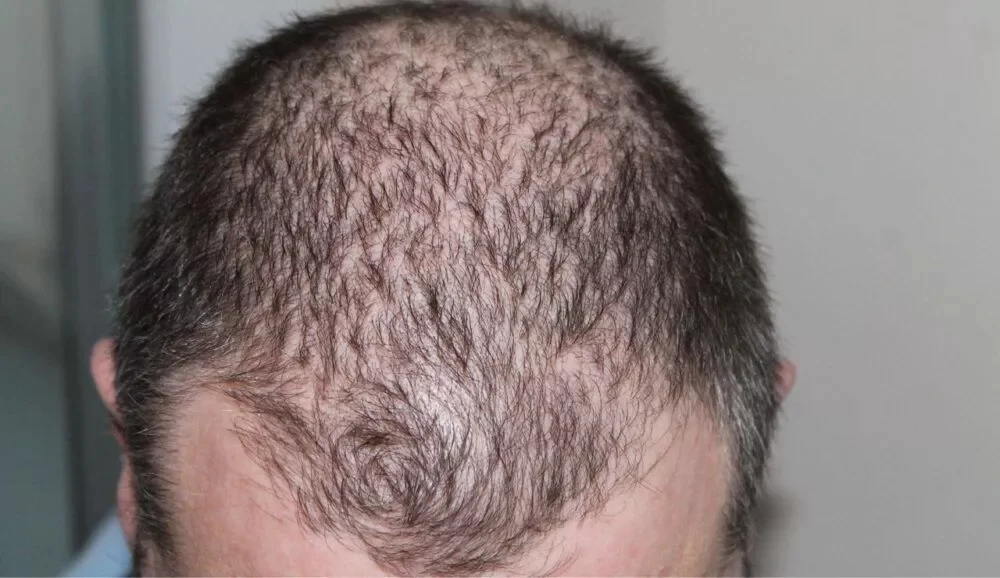
Hair transplant is the standard procedure for androgenetic alopecia. This condition involves increased sensitivity of hair follicles to the hormone DHT (dihydrotestosterone); produced when testosterone is converted to dihydrotestosterone under the influence of enzyme 5-alpha reductase. DHT disrupts the hair growth cycle, progressively shortening the growth phase (anagen), causing the follicle to shrink (miniaturise) over time. This results in the replacement of thick terminal hair with thin, short vellus hair. Eventually, the follicle stops producing hair altogether.
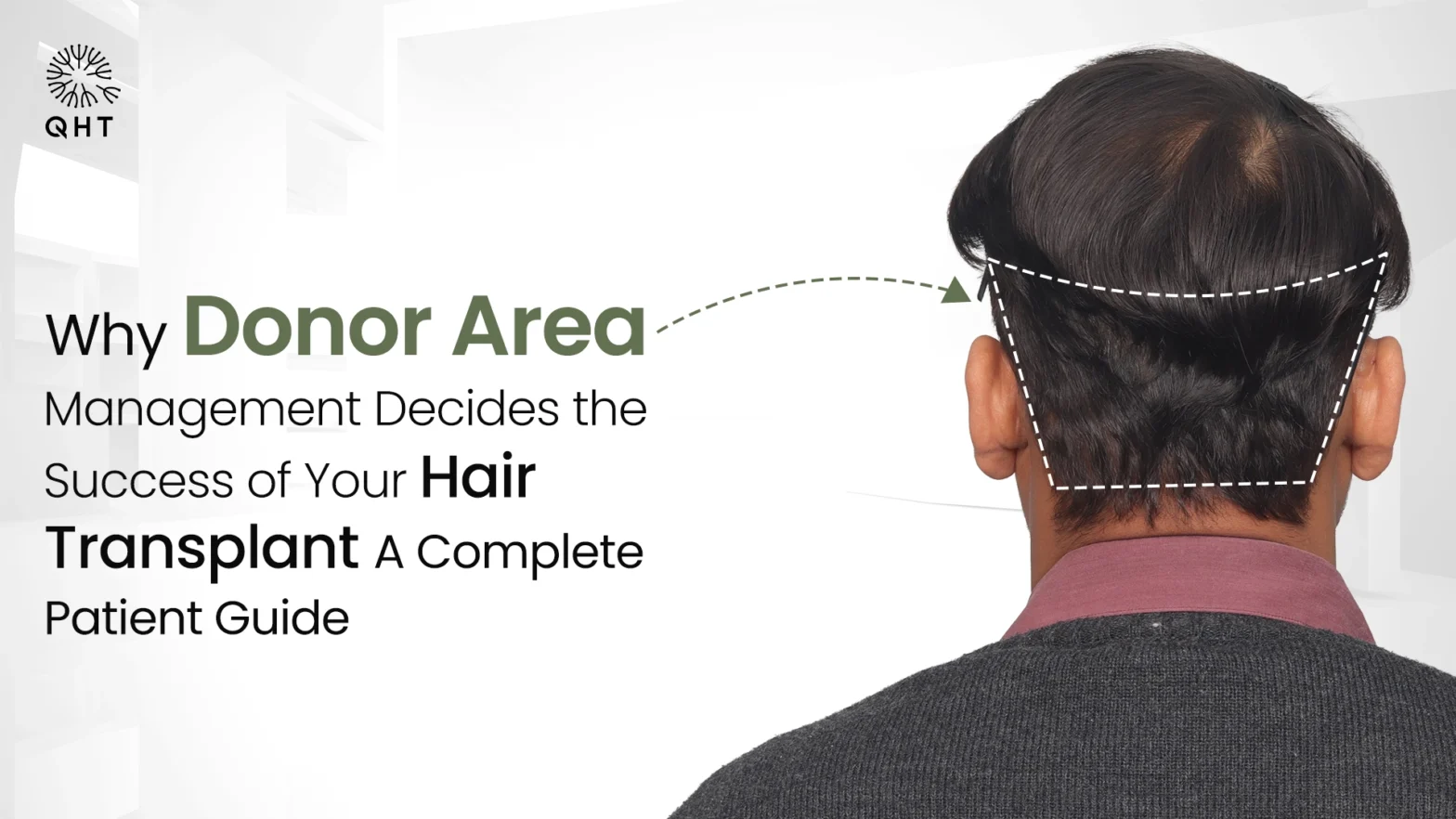
The donor zone, which includes the hair at the back and sides of the scalp are genetically DHT resistant. The hair transplant works on the principle of donor dominance, which means the follicles from DHT-resistant regions are extracted and transplanted to areas of thinning or baldness. When transplanted, the resistance is retained, and the hair continues to grow permanently.
Are You the Right Candidate for a Hair Transplant in Delhi?
The outcome of a hair transplant is determined by the eligibility of the patient and the technique used.
Ideal candidates
- Patients with an adequate density of healthy hair at the donor site
- Patients with a stable hair loss pattern
- Patients with realistic expectations
- Patients in good health or who have underlying medical conditions under control
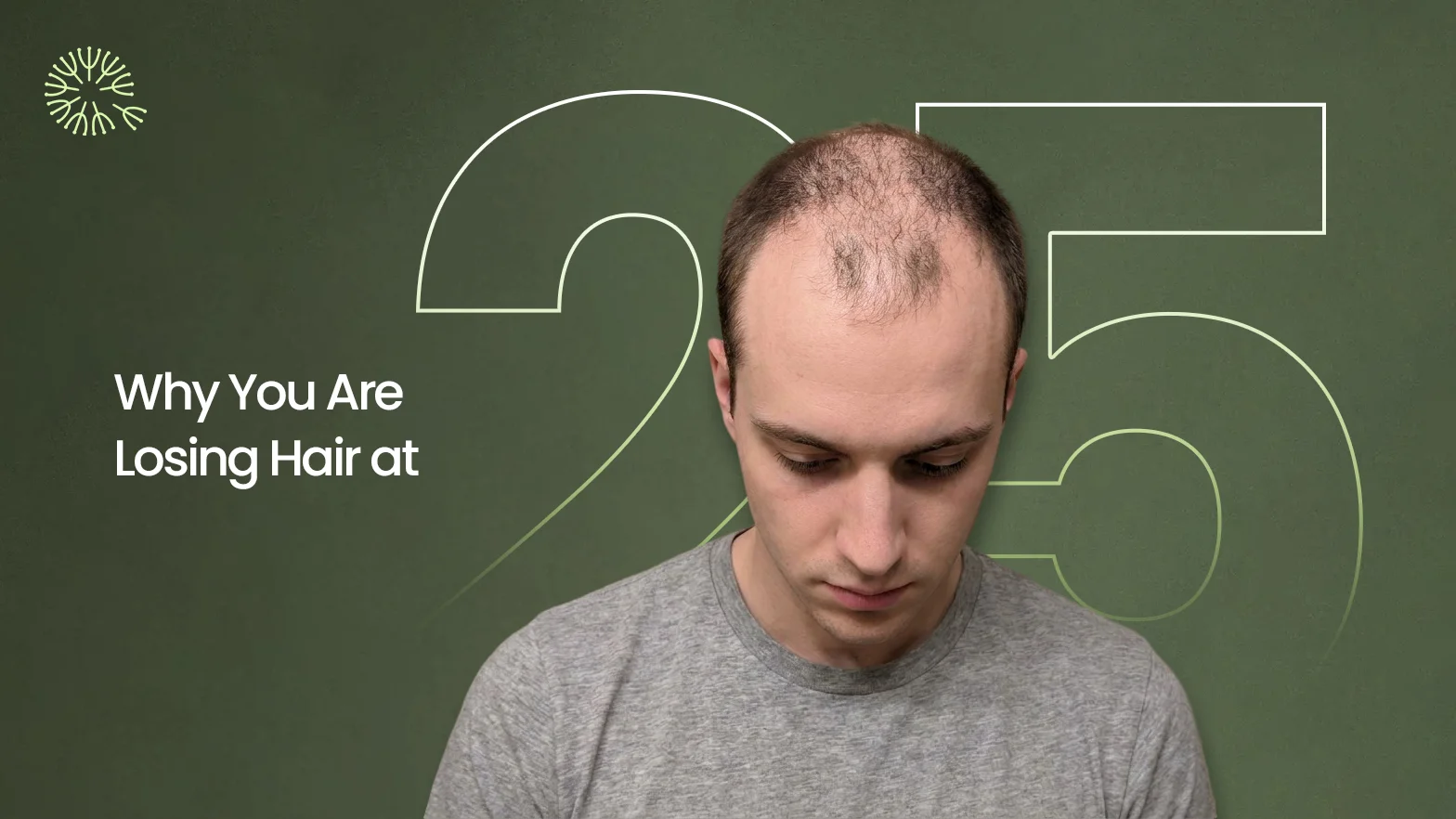
- Age above 25, when the hair loss pattern has established itself completely and is stabilised.
- Patients with Norwood grade III-V ( male pattern hair loss), grades higher than V, require proper donor-recipient area management to get the best results.
- Ludwig stage II-III for female pattern hair loss
Who is not the ideal candidate?
The pattern and symptoms of hair loss should be carefully evaluated before a hair transplant. Medical history, including thyroid disorders, diabetes mellitus, prior treatments like chemotherapy, autoimmune diseases, and recent childbirth, all affect the candidacy and outcomes.
Certain conditions that are not considered ideal for immediate treatment are:
- Active, Unstable Hair Loss: Patients with more than 15% miniaturisation of follicles in the recipient or affected area should consider medical therapy for 6-12 months before the surgery to stabilise hair loss.
- Diffuse Unpatterned Alopecia: In this condition, the DHT-resistant donor area is also affected by hair loss.
- Young Patients under 25: Transplant planned too early can deplete the donor zone before the final hair loss pattern is established.
- Patients with Insufficient Hair Loss: hair loss less than 50% needs medical therapy initially.
- Active Inflammatory Skin Conditions or Infections of the Scalp
- Patients with Unrealistic Expectations
- Patients with Psychological Disorders: Unaddressed psychological conditions, such as trichotillomania or body dysmorphia, are not ideal candidates for the treatment.
- Patients with Autoimmune Conditions: Patients with alopecia areata are generally not recommended unless the patient has had a disease-free period of 2 or more years, as the active disease poses the risk of formation of new bald patches post surgery.
Hair Transplant Techniques Available in Delhi
The success of hair transplant depends on graft survival rates, which vary significantly across the techniques used for hair transplant. Delhi’s top clinics now offer a range of methods, and no single technique is universally superior. The right choice depends on your hair loss grade, hair characteristics, donor density, lifestyle, and acceptable downtime.
FUE – Follicular Unit Extraction
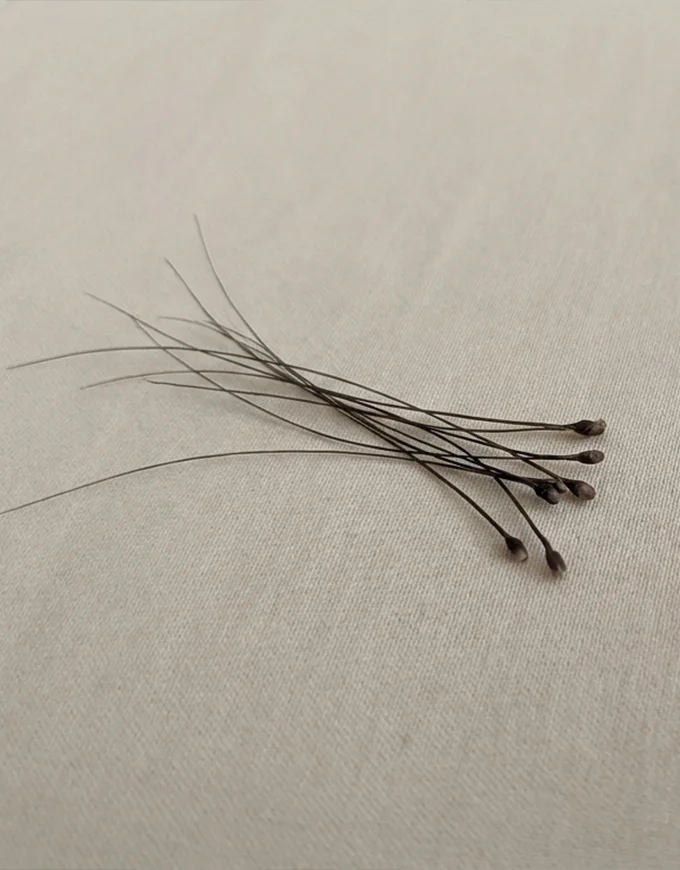
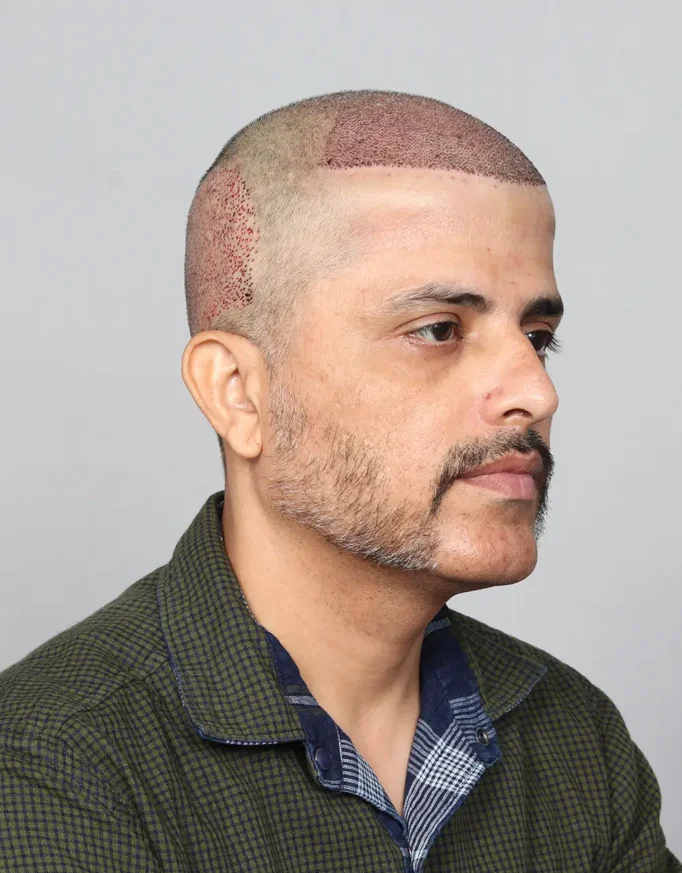
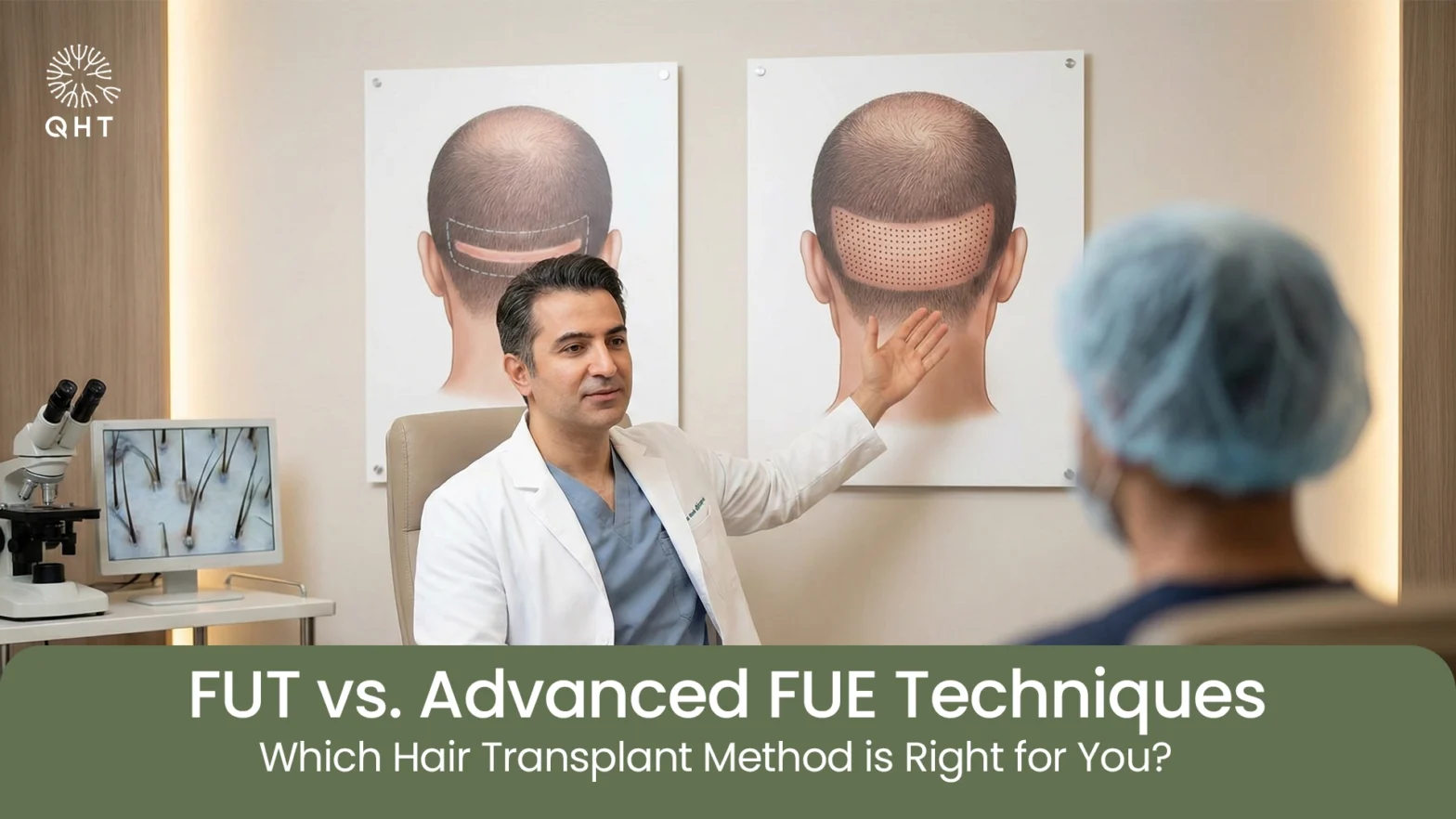
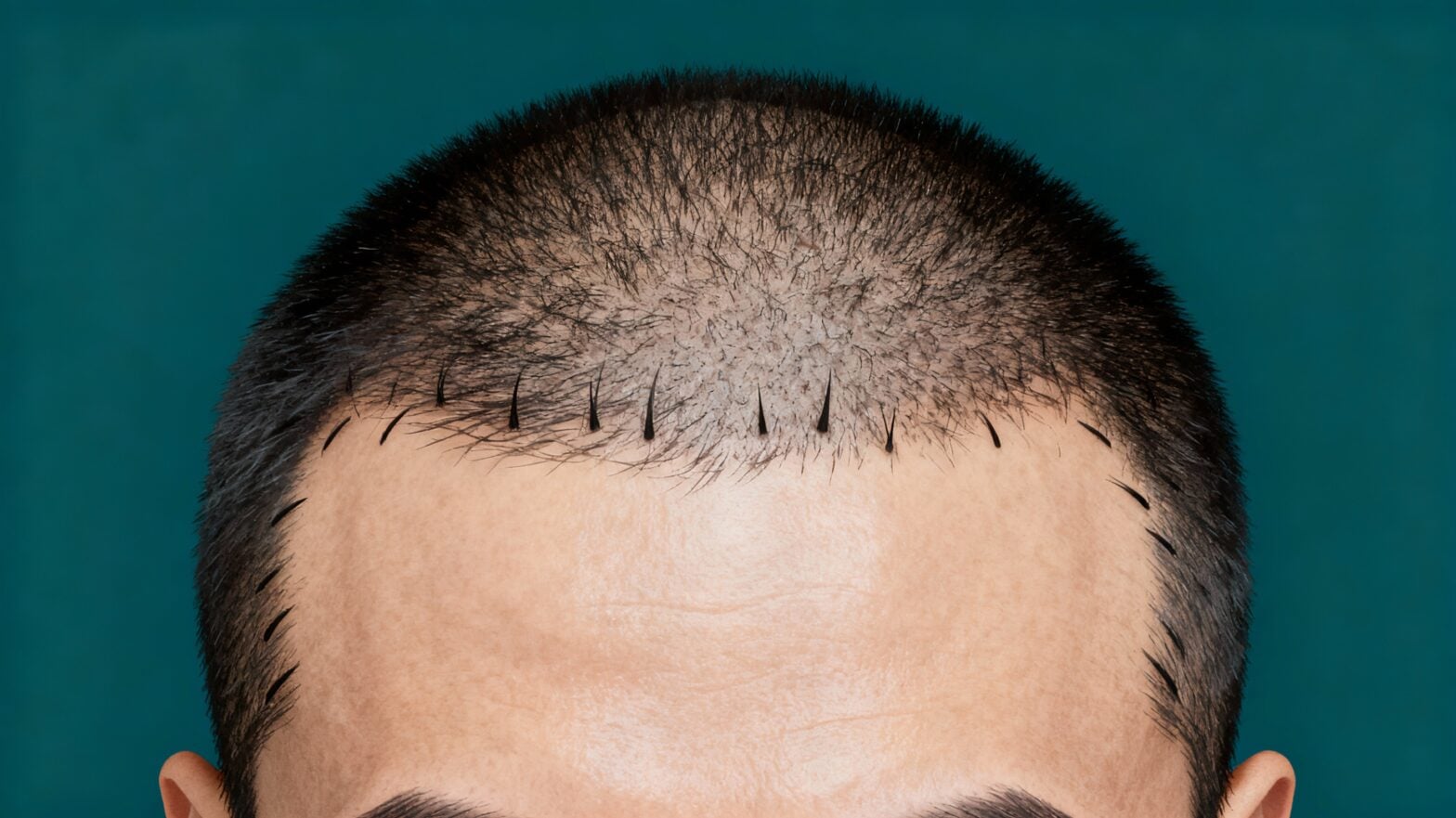
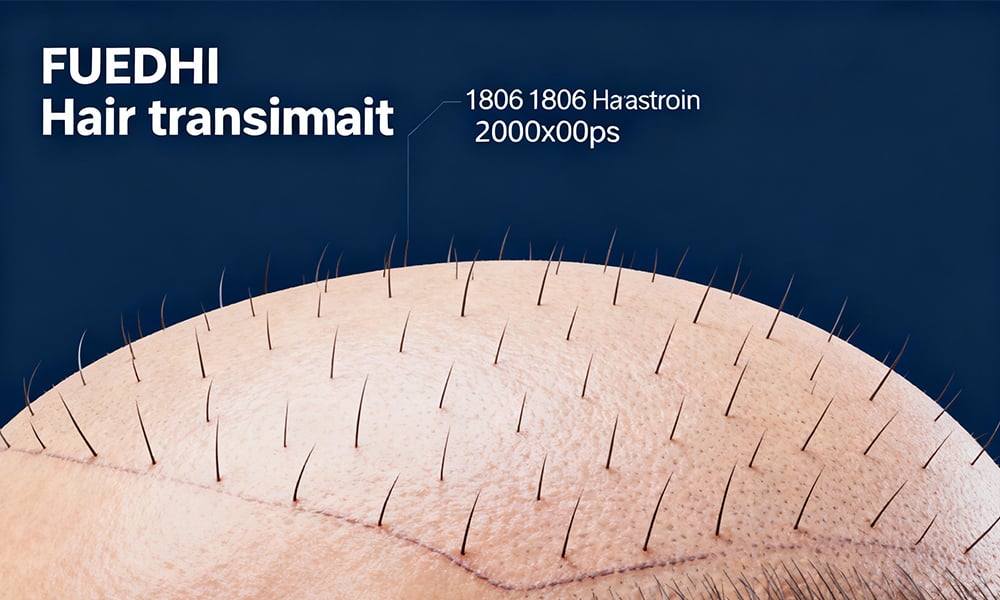
The current gold standard for hair transplant globally. Individual follicular units are extracted from the donor site using a micropunch tool, and the extracted grafts are transplanted to affected recipient areas. FUE is best suited for individuals who prefer to keep a short hairstyle, as the donor zone is shaved before the extraction of grafts. It leaves no linear scar after the treatment. It is a relatively hassle-free treatment with minimal downtime, no stitches, no incisions, and patients can return to desk jobs within 5-7 days.
FUT- Follicular Unit Transplantation
A strip of scalp from the donor zone is surgically removed and dissected under a microscope to isolate individual follicular units, which are then transplanted to recipient areas. FUT yields maximum grafts in a single session, making it a preferred technique for advanced baldness.
One downside of this method is a linear scar formation in the donor zone. Ideal for candidates with longer hair, especially women.
QHT- Quick Hair Transplant
Beyond FUE and FUT, the QHT clinic has developed its own exclusive technique, QHT, which is designed to improve graft survival rates and deliver natural-looking results. This technique delivers precise graft placement without compromising the graft’s health. The grafts are extracted and transplanted at the same time, reducing the out-of-body time of grafts, which is the most important factor in graft viability. The procedure is carried out using advanced tools, including the SAVA implanter pen, which ensures no trauma to native follicles and no scarring. The Grafts are precisely extracted and placed at the correct angle and depth to replicate natural hair growth direction, delivering genuinely undetectable results.
Hair Transplant Cost in Delhi
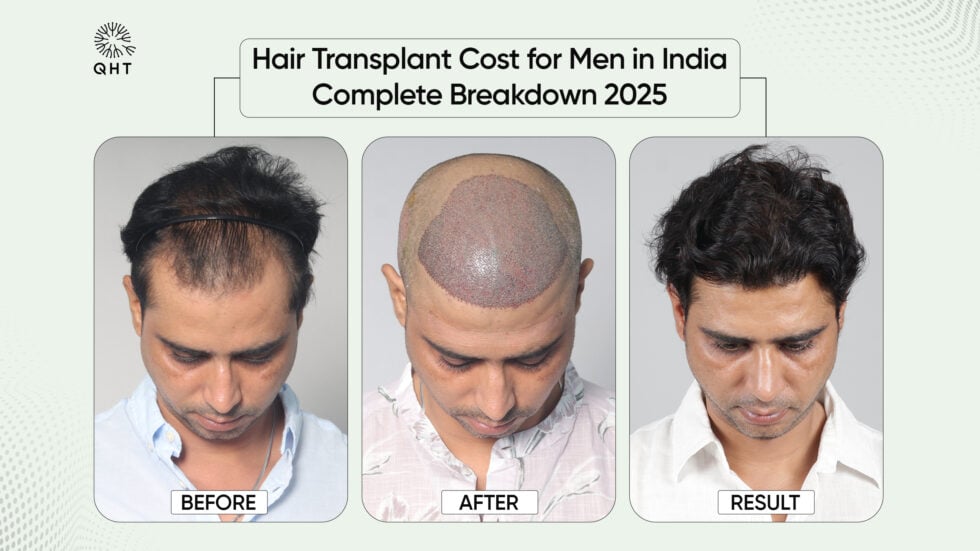
The cost of a hair transplant depends on multiple factors, including the number of grafts required, the surgeon’s expertise, the location of the clinic, the technique used for the hair transplant and post-operative care (medications, adjunctive therapies and follow-up appointments).
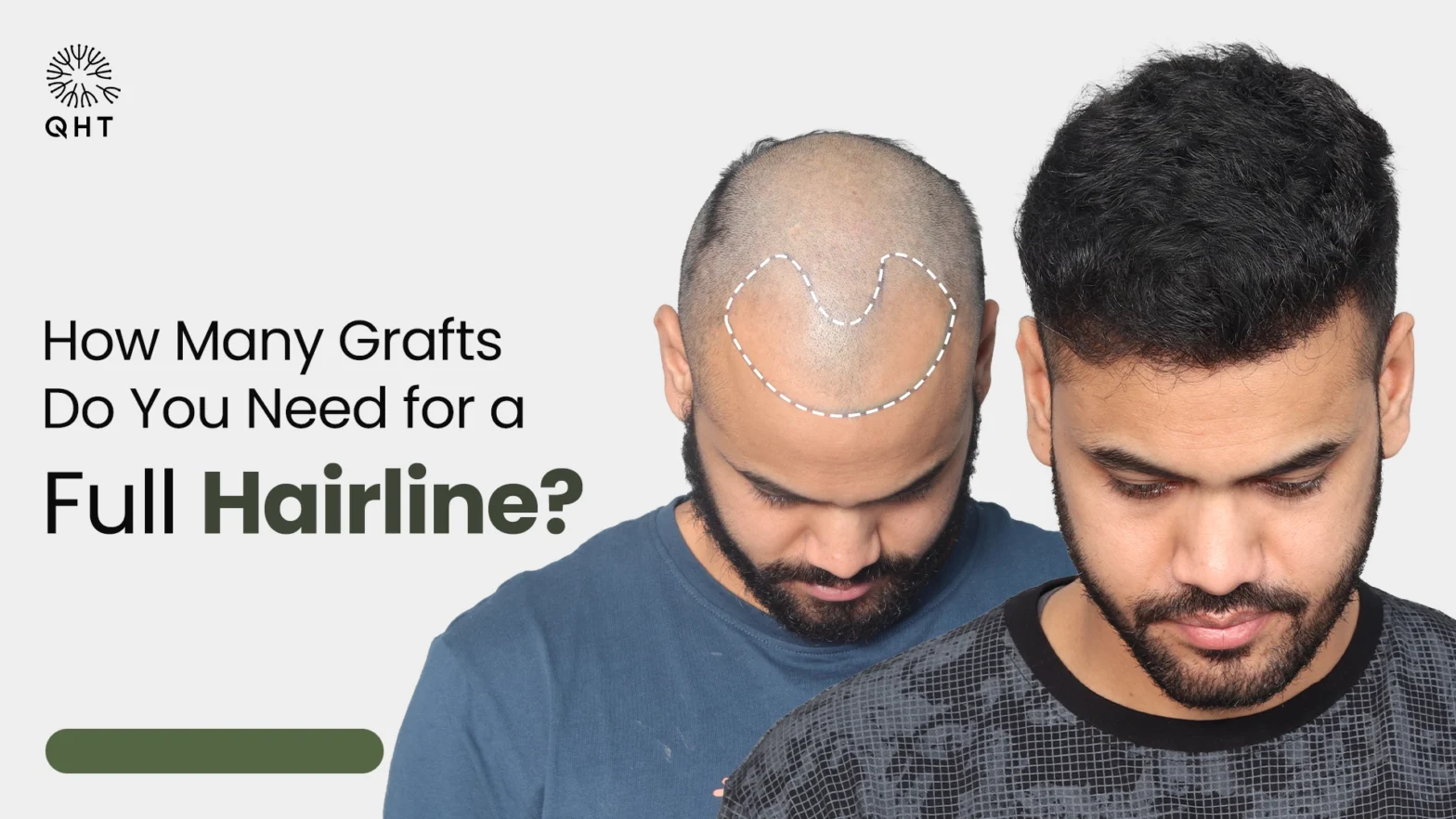
The number of grafts required is different for different Norwood grades, with II-IV requiring about 800- 2500 grafts, and advanced grade V-VII requiring 2500-6000+ grafts. The number of grafts required is estimated by scalp assessment and the extent of baldness.
The cost per graft varies depending on the technique
| Technique | Average Cost per Graft in Delhi | Cost per Graft at QHT Clinic |
| FUE | ₹ 25-₹ 125 | Starts from ₹ 35 |
| FUT | ₹ 20-₹ 100+ | Starts from ₹ 25 |
| QHT | – | Starts from ₹ 50 |
Want to get an estimate for your hair transplant? Book your consultation with hair experts at QHT and get your scalp analysis done for a transparent cost breakdown.
What To Expect Before, During, and After a Hair Transplant In Delhi
Hair transplant is an elaborate procedure that requires careful planning, accurate diagnosis, surgical execution and an active recovery phase. Understanding each stage in advance reduces anxiety and improves outcomes.
Before Surgery
- Detailed consultation, scalp evaluation, and blood tests before surgery.
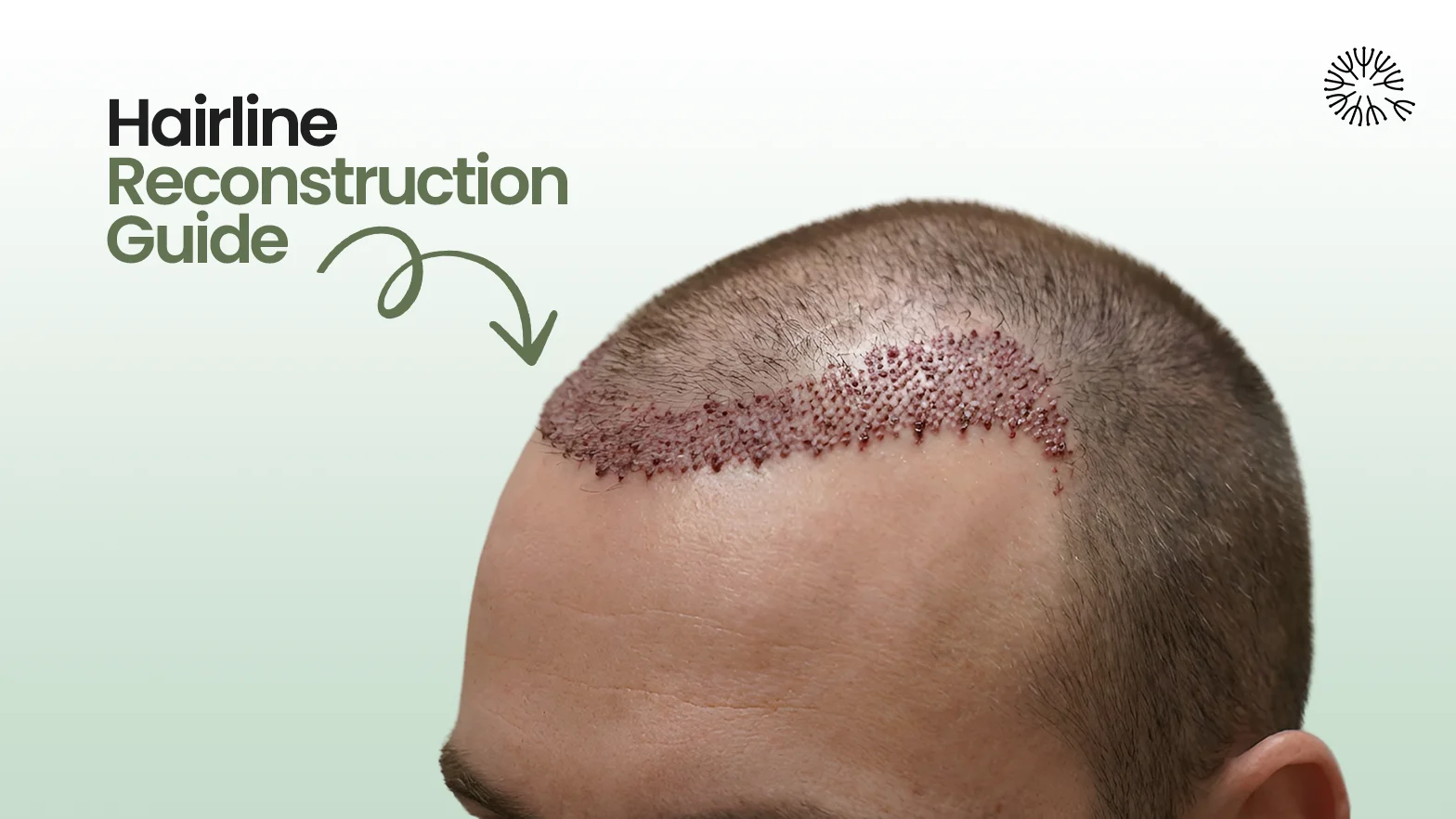
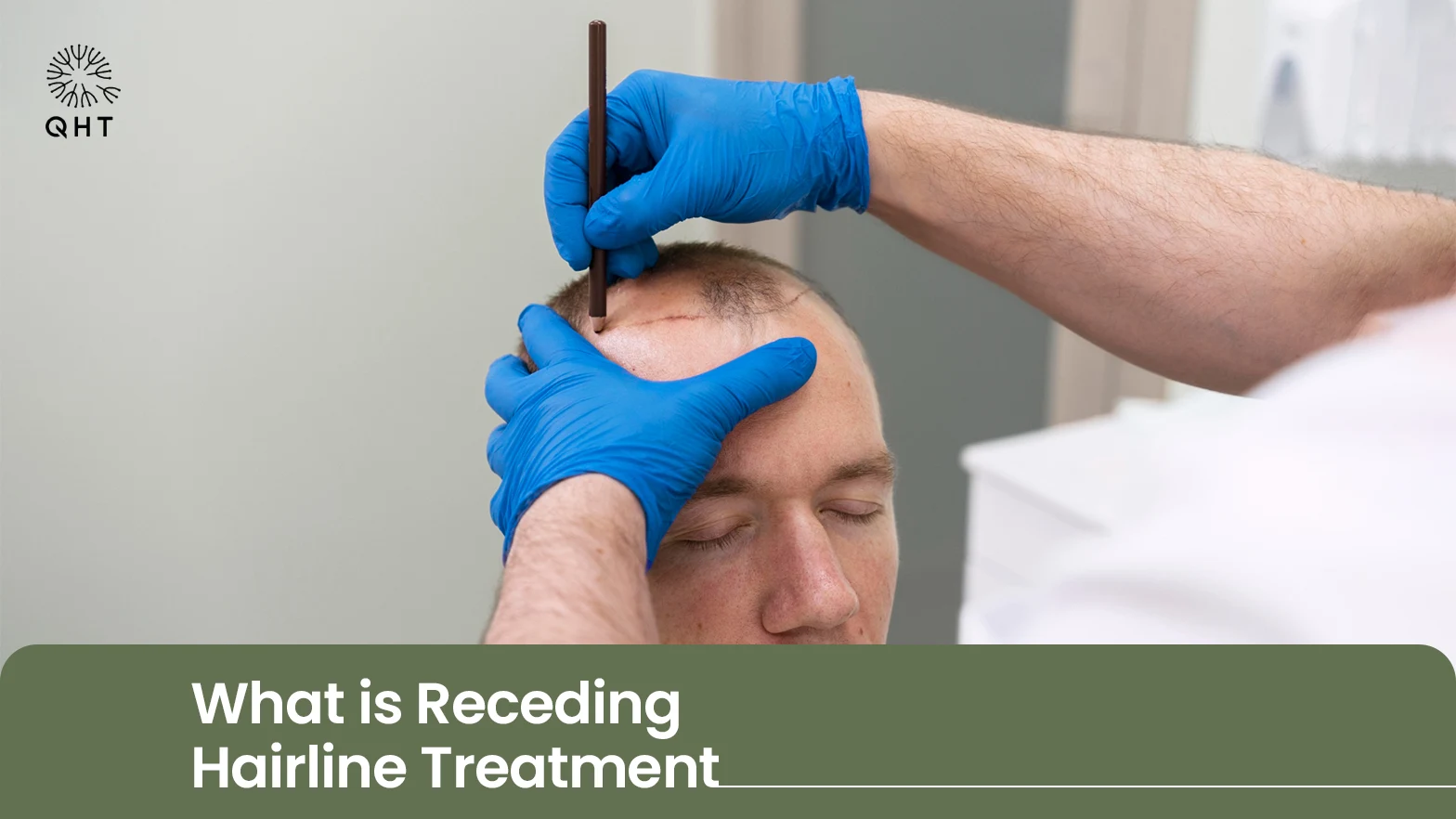
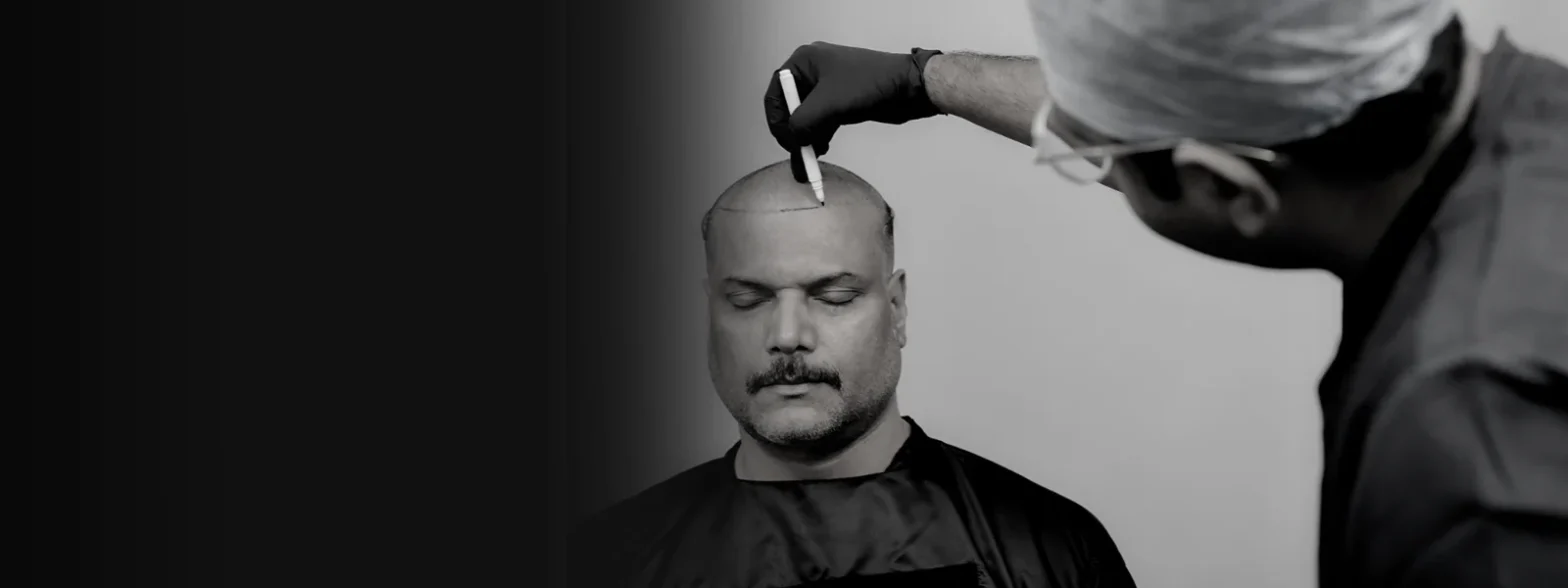
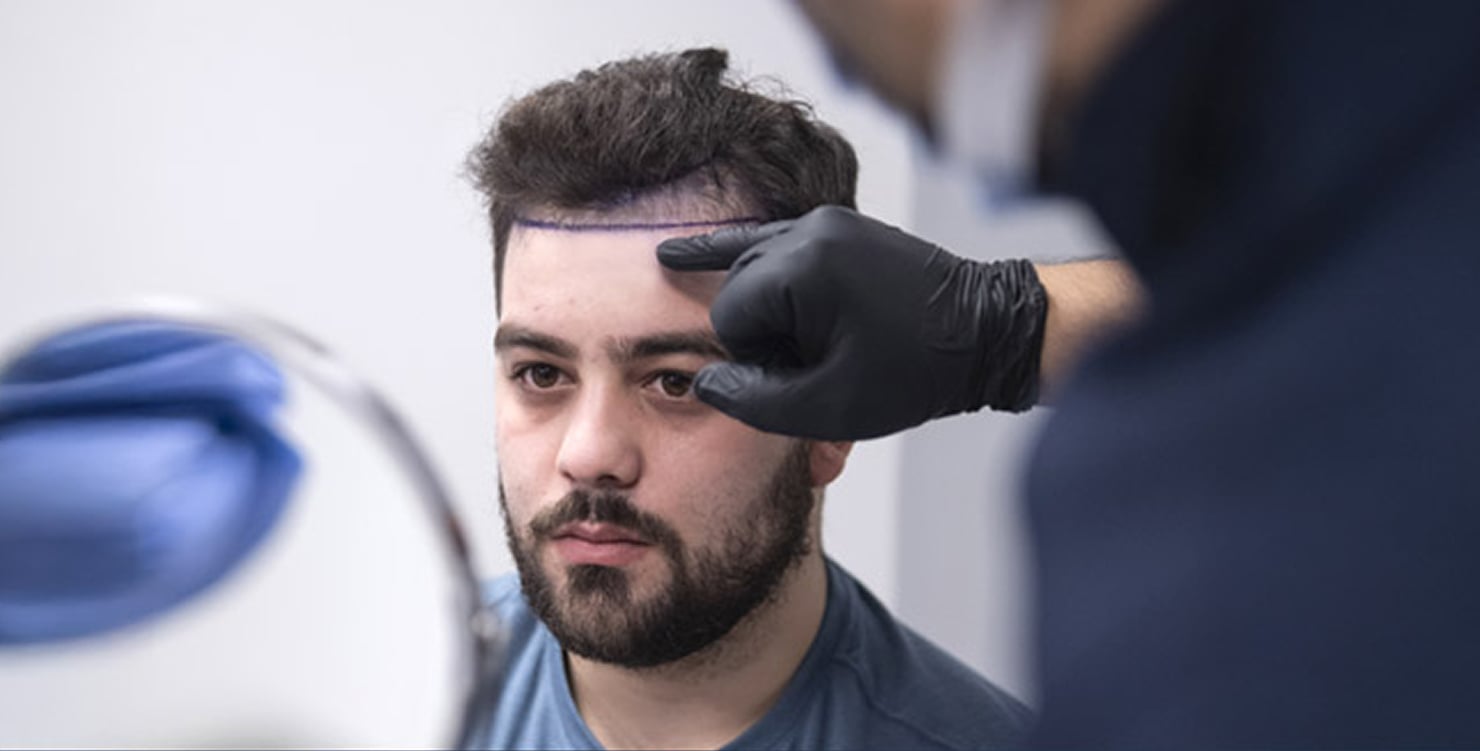
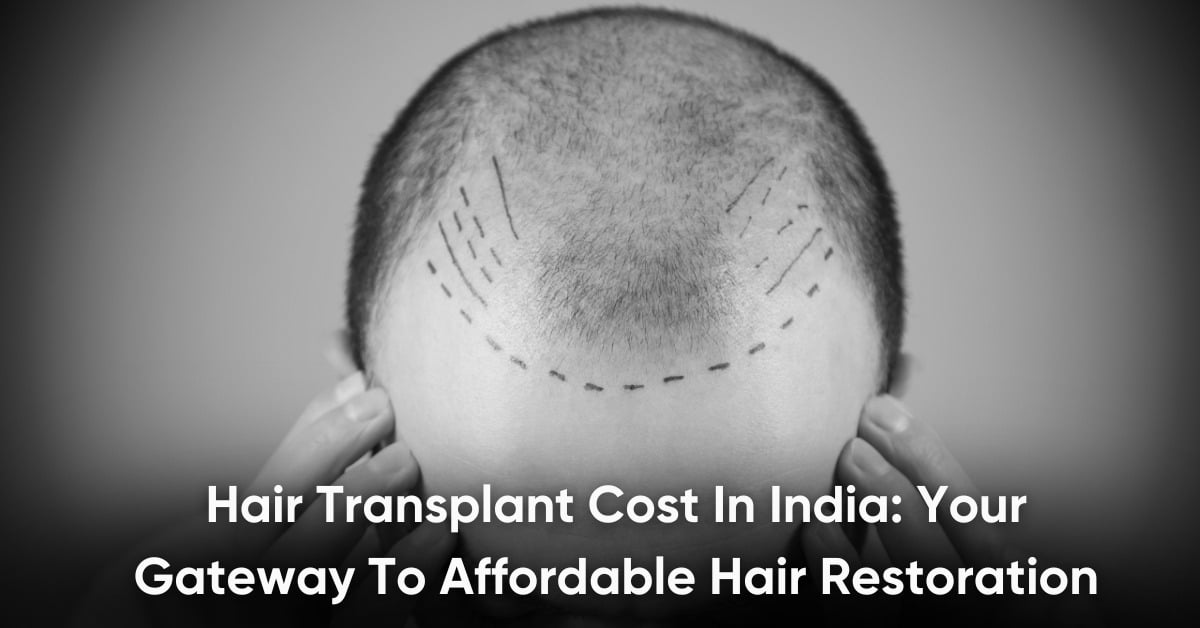
- Hairline designing, one of the most important steps for natural aesthetic outcomes.
- Avoid alcohol consumption and smoking for at least 3 weeks before surgery.
- Avoid dyeing hair in the weeks before the procedure.
- Wash your hair the night before or in the morning before going for the procedure.
- Certain medications, such as blood thinners, need to be discontinued before the procedure.
Note: Consult your doctor before stopping any medication.
During Surgery
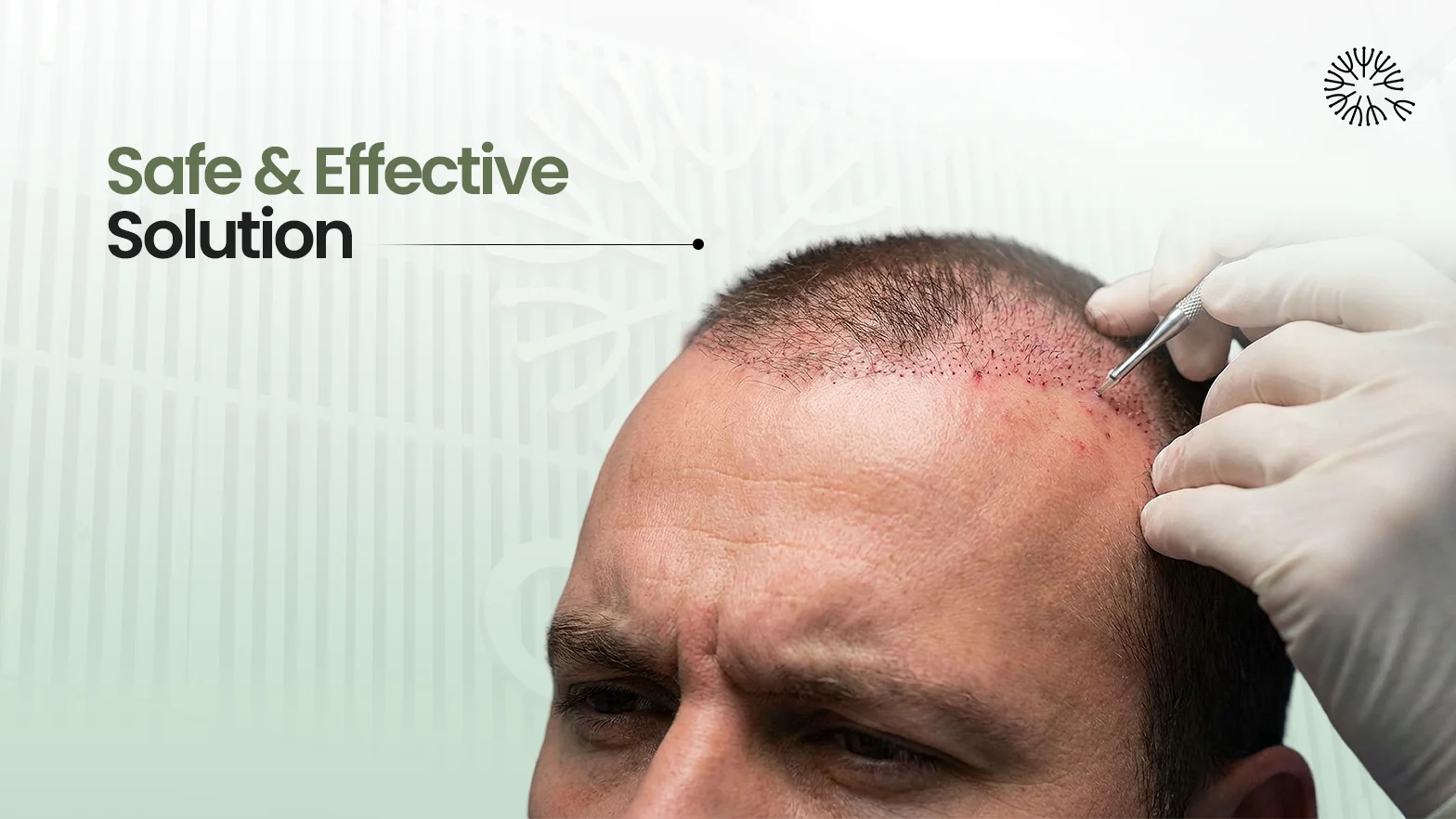
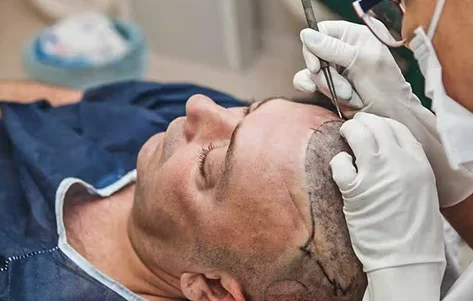
The procedure generally takes 6-7 hours, but depending on the case, it might take longer. The procedure is performed under local anaesthesia. Depending on the technique, the step-by-step flow differs, but broadly involves donor zone extraction, graft preparation and preservation, recipient site creation, and precise implantation at the correct angle and depth.
After surgery
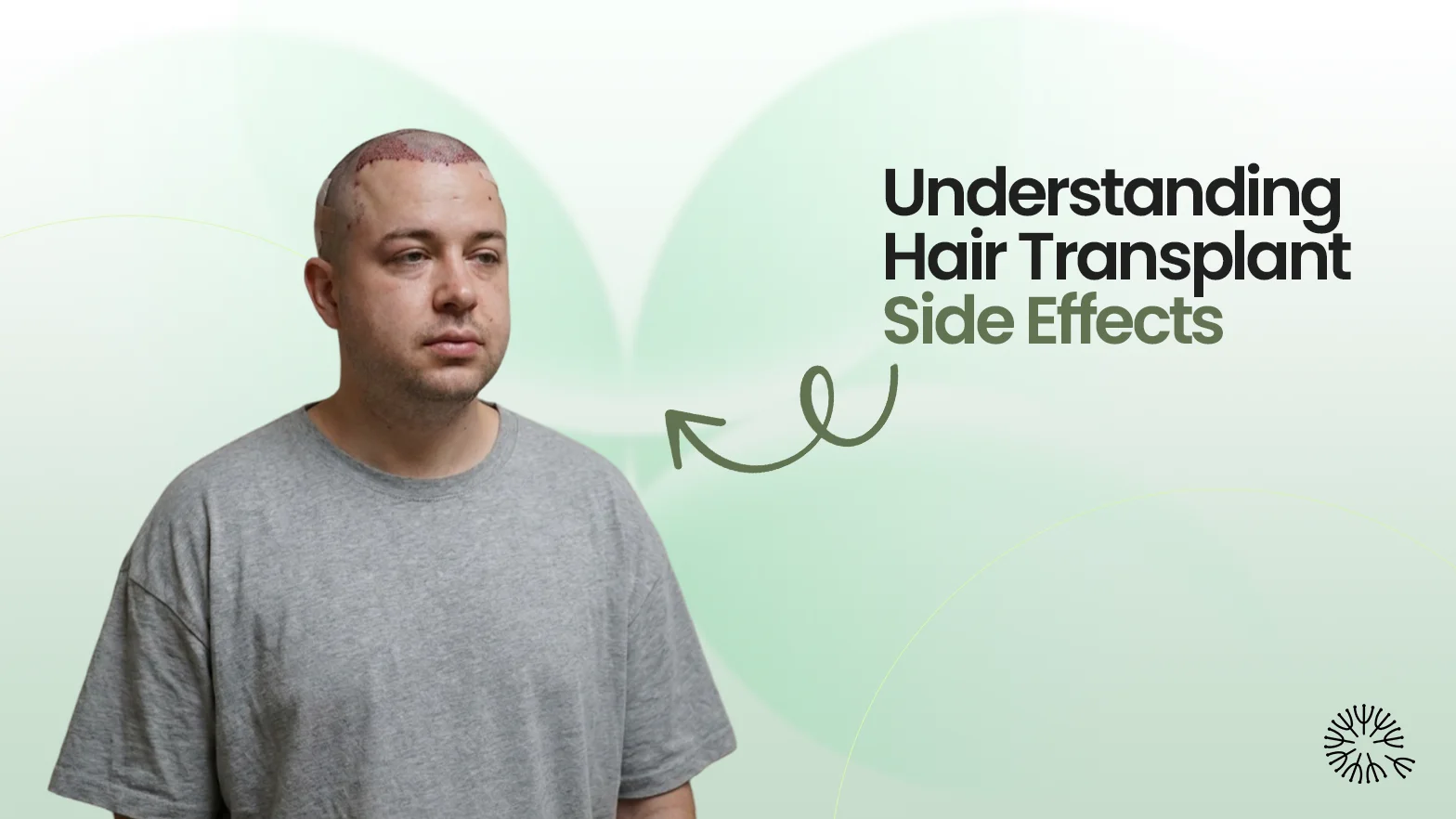
Mild soreness or tightness might be felt after the surgery.
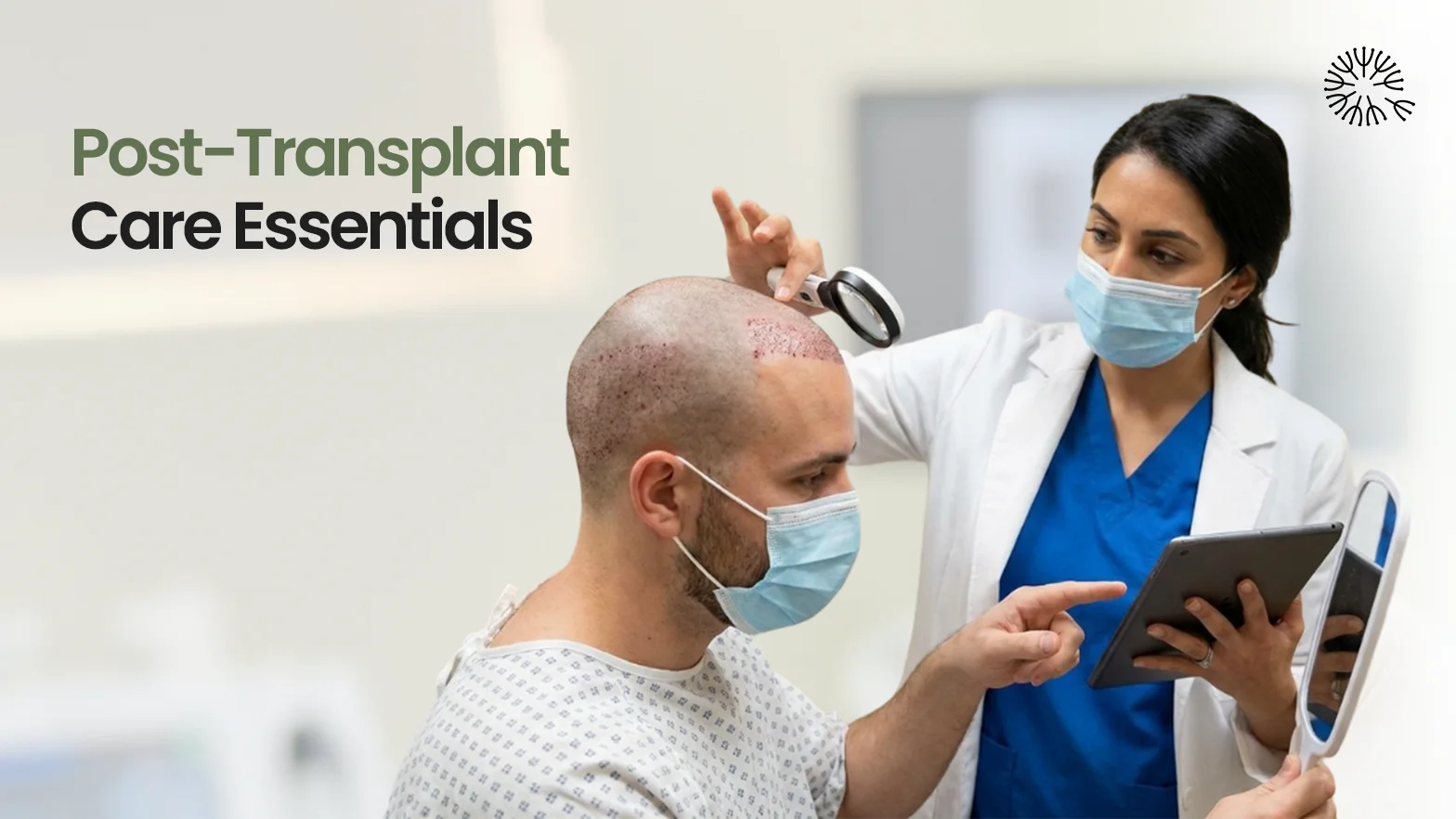
- For the first 1-3 days: Mild swelling and tenderness might persist, which can be relieved with prescribed medication. The first 72 hours are crucial to protect the grafts, and hence, extra caution is needed. Sleep with your head elevated, avoid direct sunlight, and keep the area moist with saline spray every 2-3 hours. Don’t rub or scratch the area.
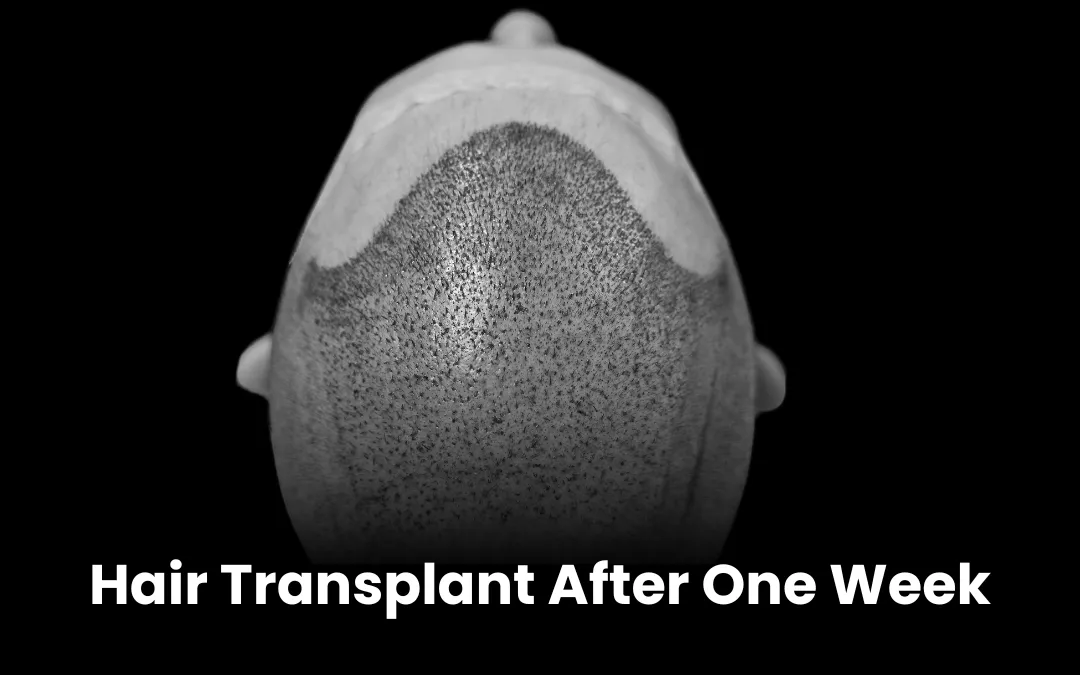
- Days 4-7: Scabs start to form around the hair follicle, which should not be disturbed. Follow the gentle washing instructions given by the doctor.
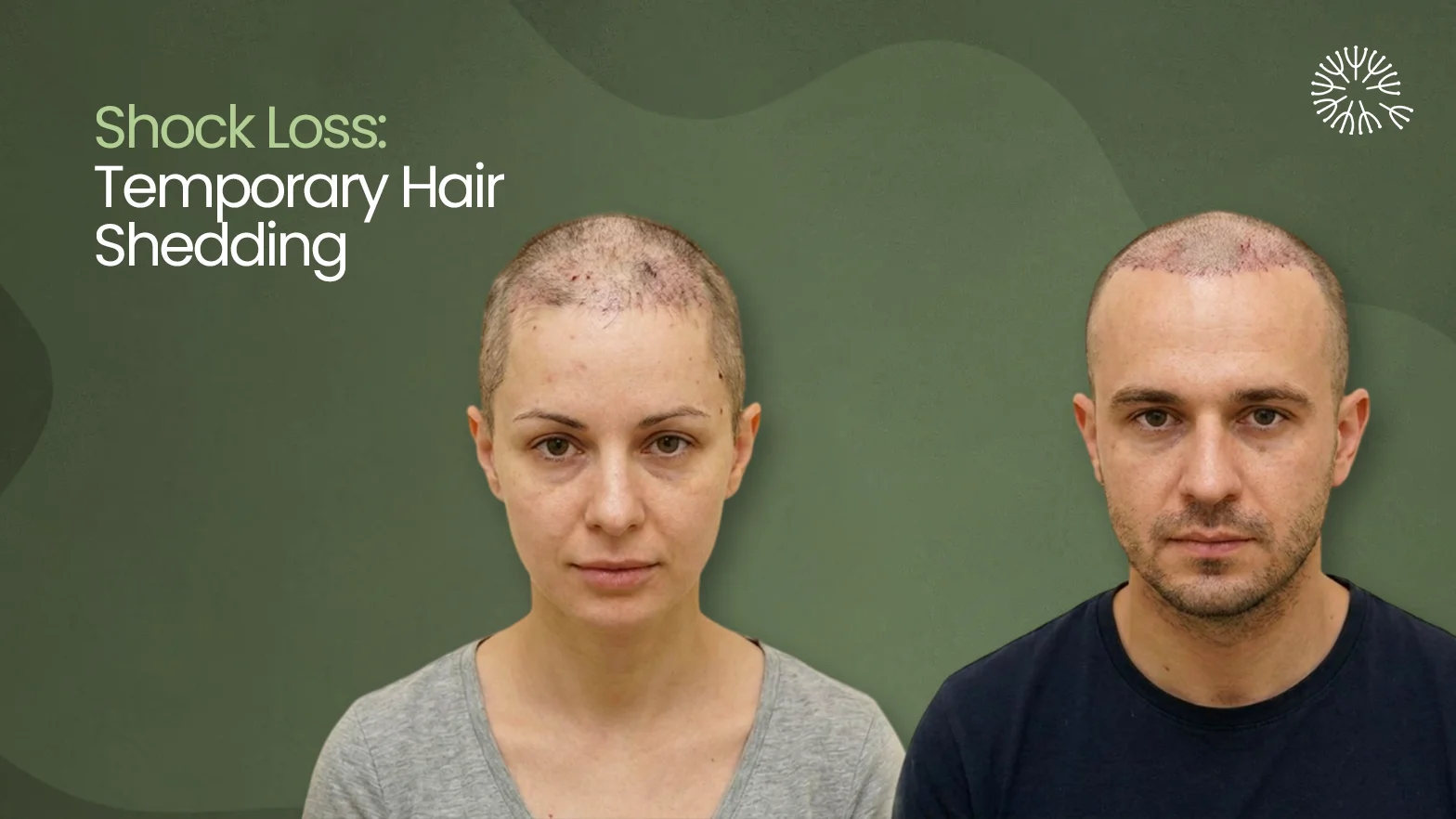
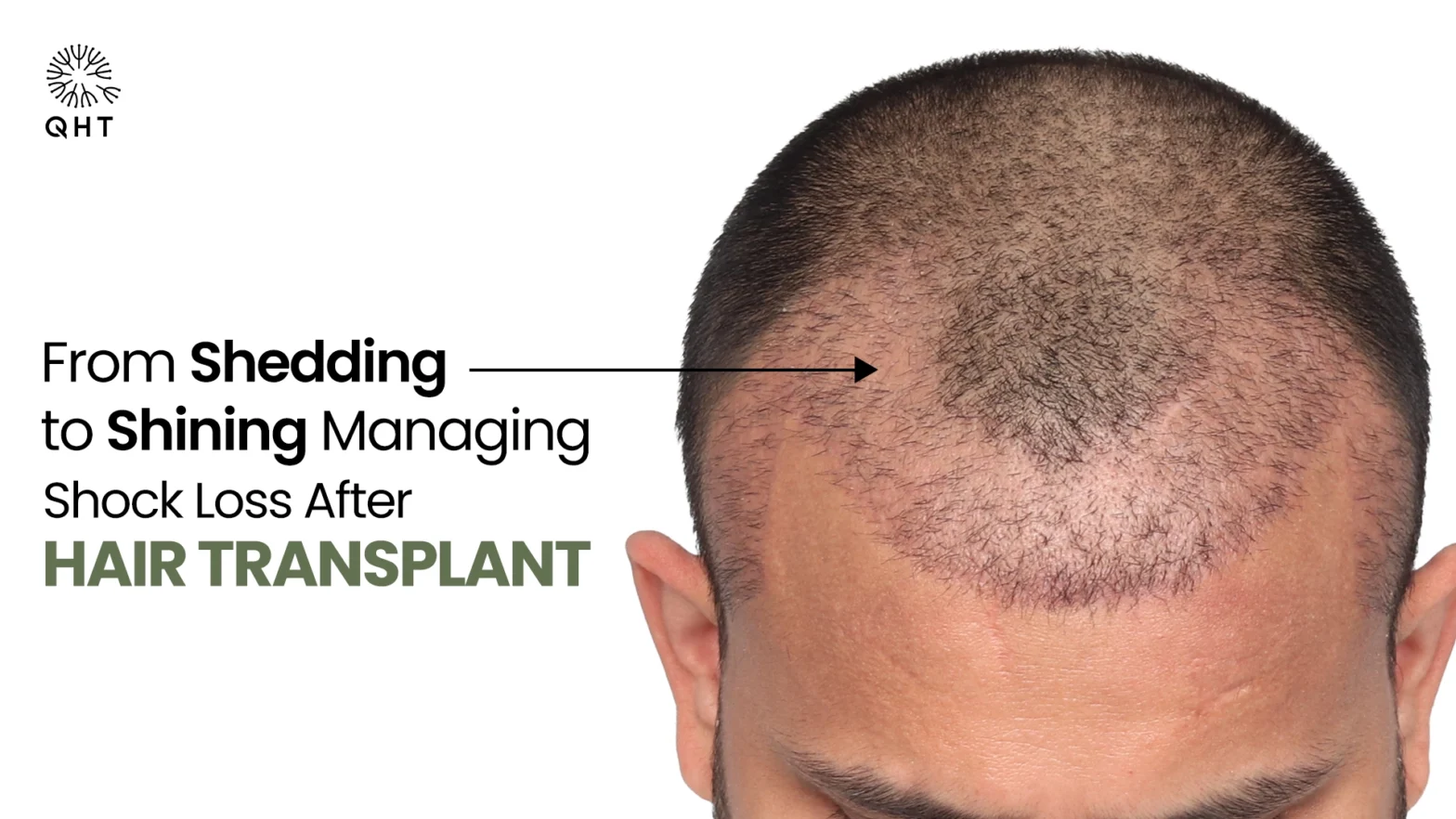
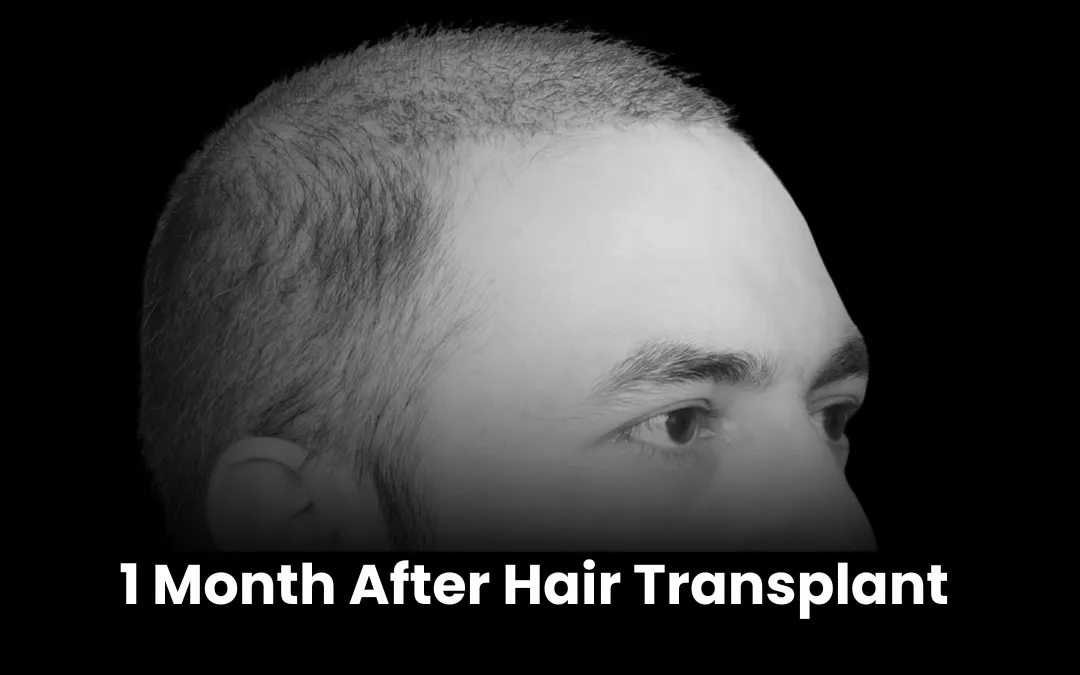
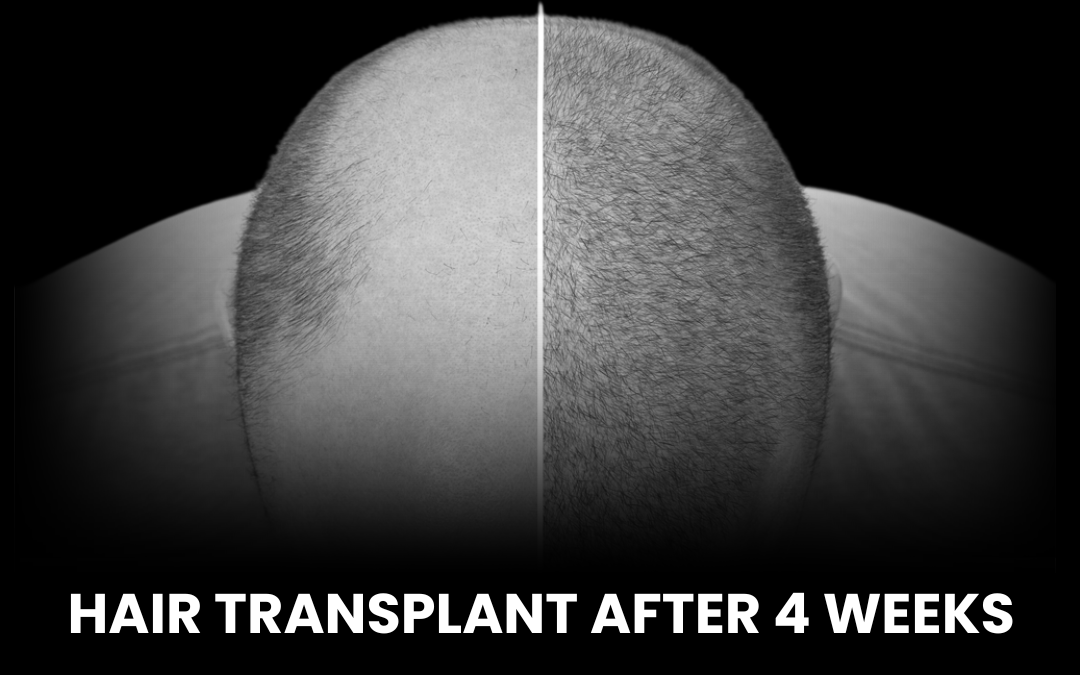
- 2-4 weeks: Scabs start to fall off on their own. Avoid strenuous exercise, smoking and alcohol for at least 3 weeks. Shock loss after 2-3 weeks is a very normal occurrence, where the transplanted hair sheds. This does not mean the transplant has failed; the follicles remain under the scalp and regrow hair in a few months.
- 3-4 months: The new regrowth is visible.
- 6-8 months: the density is increased, and the new hair grows from the rest of the resting follicles.
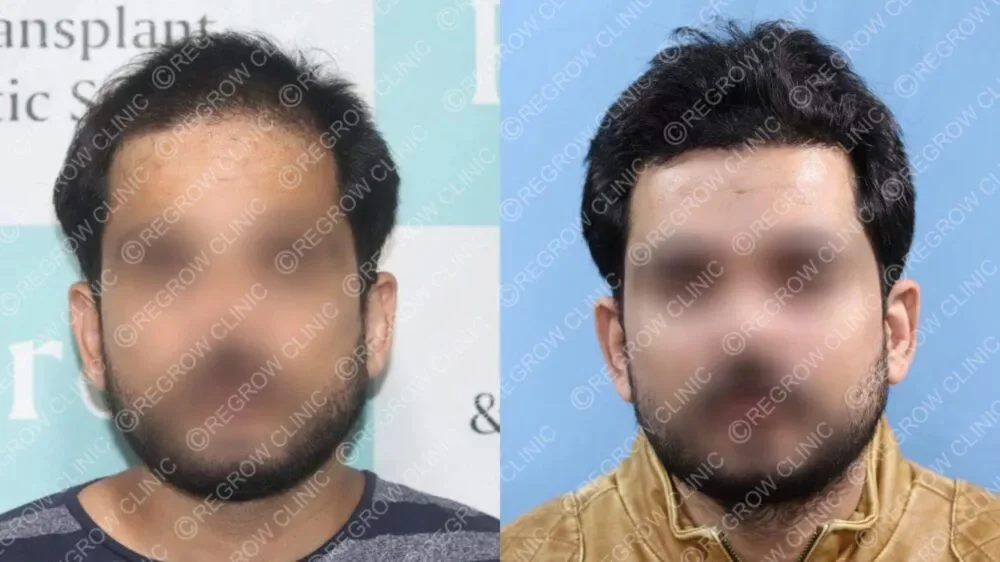
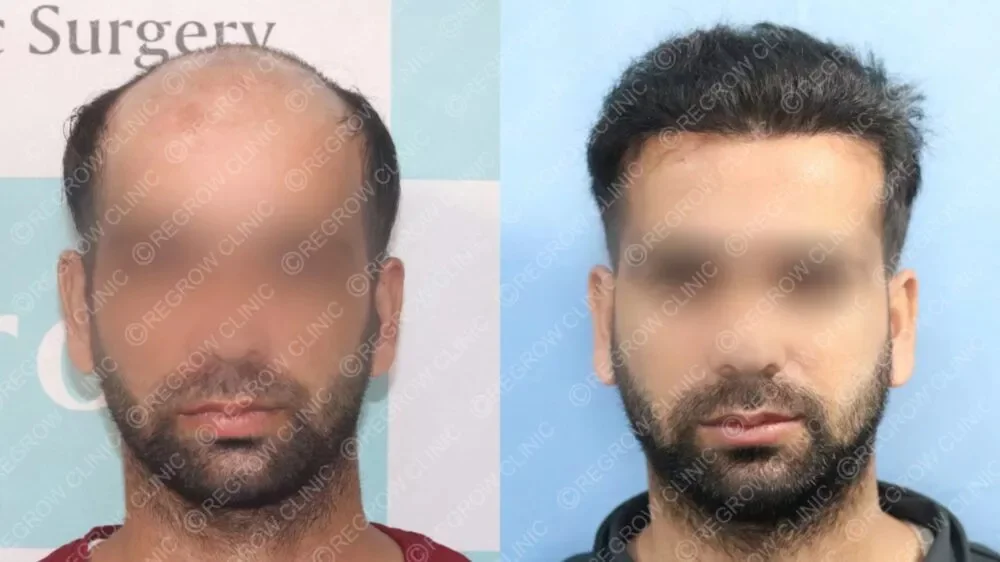
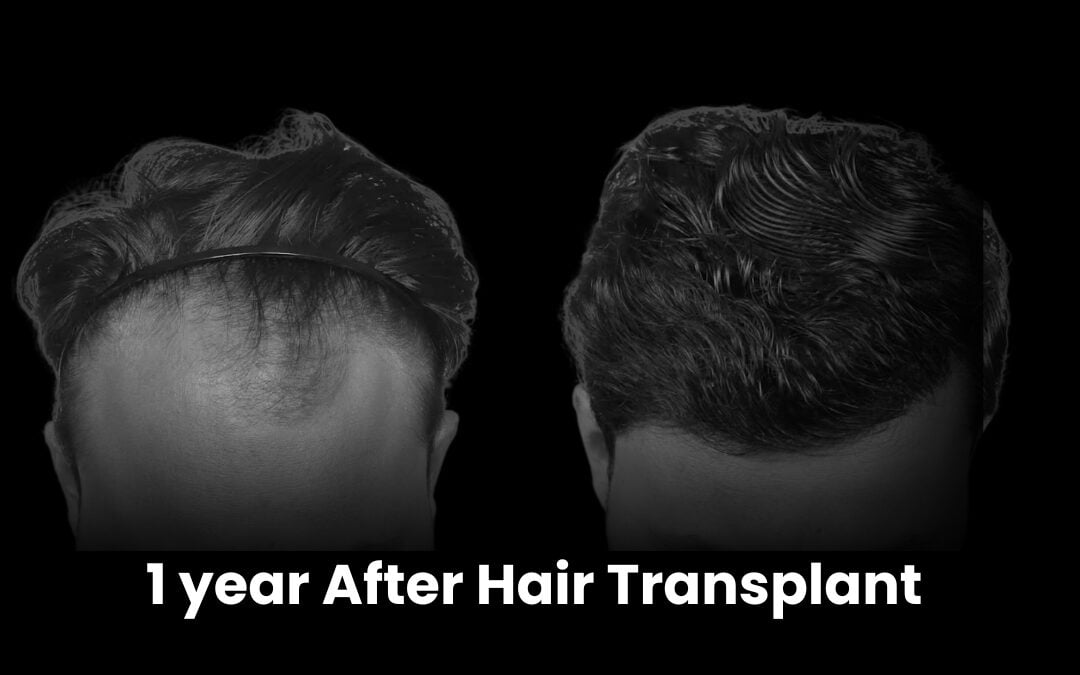
- 9-12 months: The full density is achieved, and the final results are visible.
Choosing the Right Hair Transplant Clinic in Delhi
Delhi has hundreds of clinics offering hair transplant services. While choosing the right hair transplant clinic in Delhi, always look for the following non-negotiable points:
- The surgeon performs the procedure
- Verified, unsponsored patient reviews
- Transparent pricing after clinical assessment
- Dedicated Operating theaters with safety protocols
- Structured follow-up systems
Why QHT Clinic Stands Out in Delhi
QHT Clinic brings you the expertise of internationally trained surgeons who actively lead and personally carry out each stage of the treatment. With over 15000+ procedures, the QHT has become one of the top choices for hair transplant in Delhi. The proprietary technique QHT has delivered superior results for all patients.
- Highly experienced surgeons leading the procedure, with hands-on execution at every stage.
- USFDA-approved technology.
- 95% graft survival rates with proprietary QHT technique, superior to conventional methods.
- Structured postoperative care system for 12 months, with no additional cost
- Transparent pricing and flexible financial options.
- Repair and correction expertise for patients who received poor results elsewhere.
QHT Clinic is located in Rohini, North Delhi, in Prashant Vihar on the Outer Ring Road, making it easily accessible from nearby areas like Pitampura, Shalimar Bagh, and Model Town.
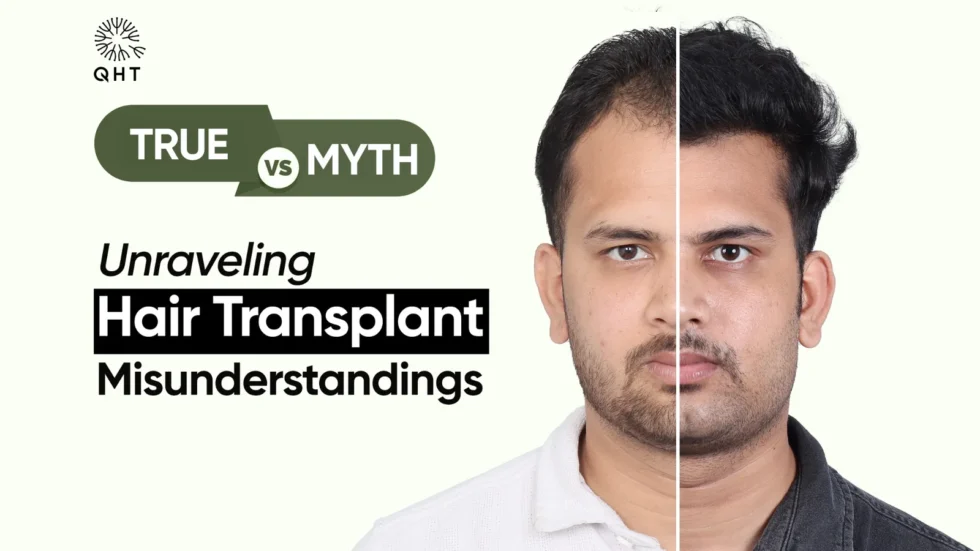
Myths About Hair Transplant in Delhi — Busted
Myth 1: Transplanted hair is temporary and will fall out eventually
Fact: Transplanted follicles are sourced from the DHT-resistant donor zone and retain that resistance permanently in their new location.
Myth 2: It will look obviously fake or unnatural
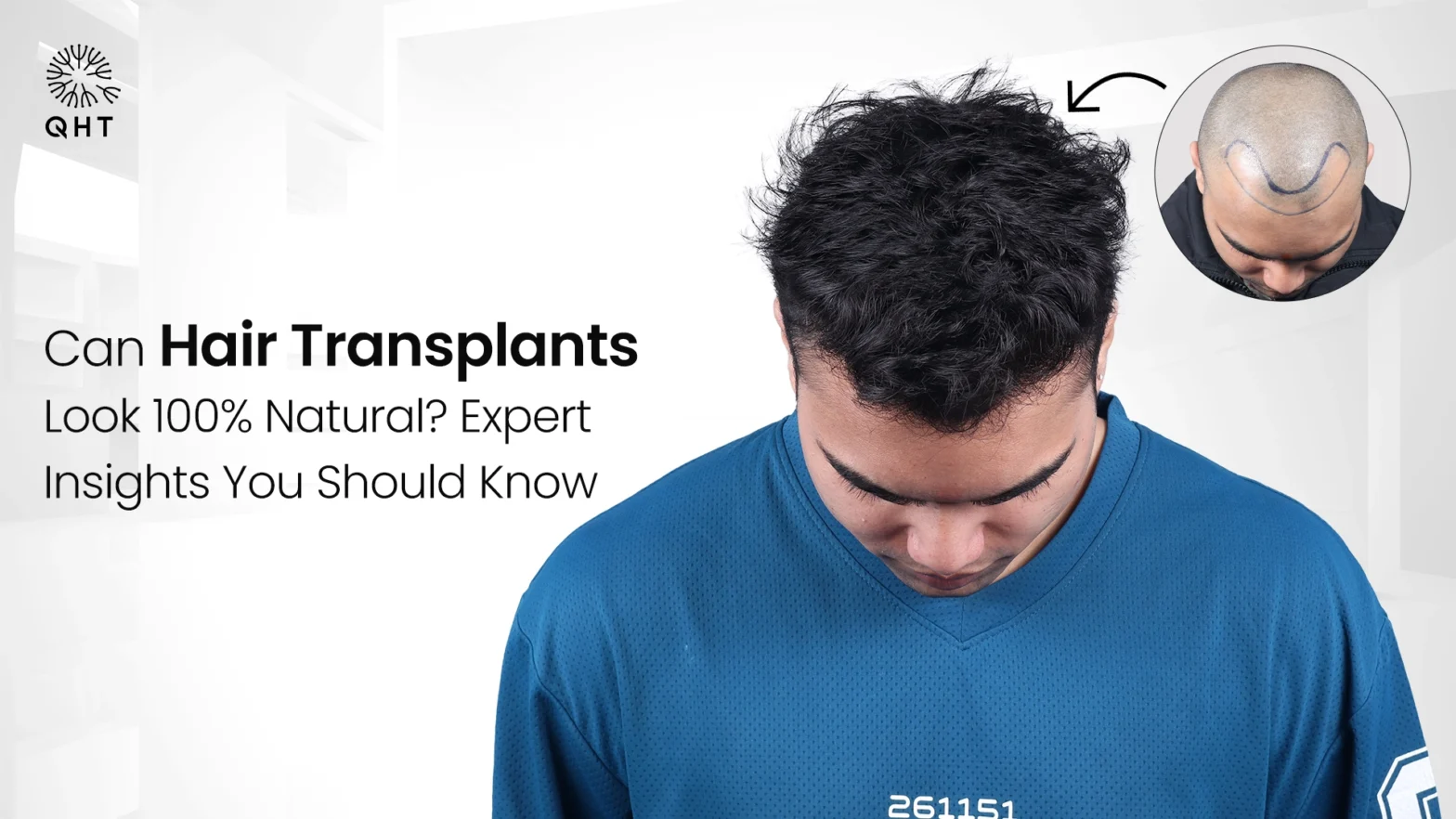
Fact: Natural results come down to three things: hairline design, angulation of implanted follicles, and implantation density. A procedure performed by an experienced surgeon will always deliver natural results.
Myth 3: Hair transplant is only for men
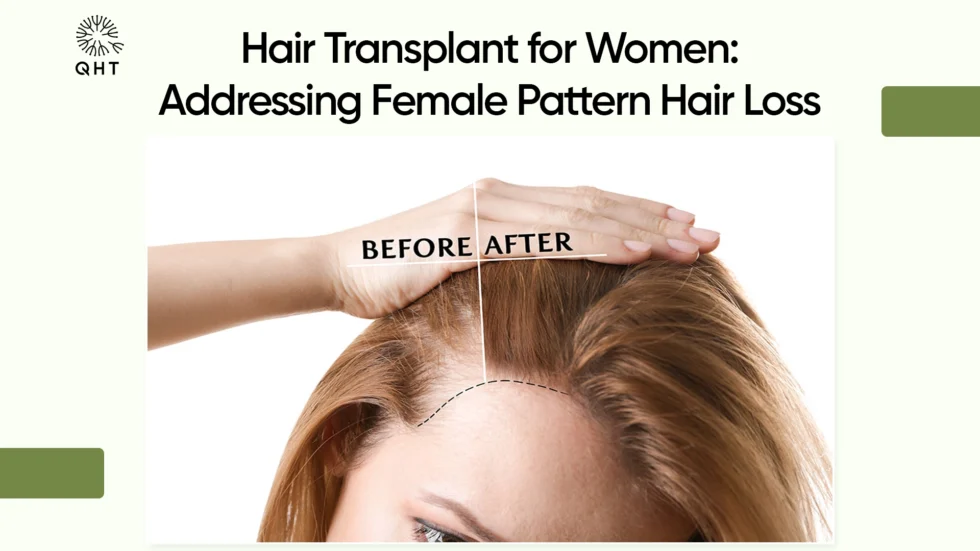
Fact: Female hair transplant is a growing and highly effective procedure. Women experiencing stable female pattern hair loss, traction alopecia, scarring from previous procedures, or hairline recession are strong surgical candidates.
Myth 4: Any cheap clinic gives the same results
Fact: In hair transplantation, the two things that matter above everything else are the skill of the surgeon and the quality of the surgical protocol. A poorly executed transplant results in disappointment and requires corrective procedures that cost more.
Myth 5: I should wait until I’m completely bald before getting a transplant
Fact: Waiting too long can actually reduce your candidacy. Early intervention is the key to getting the best results and significantly impacts the final cost of the transplant.
Frequently Asked Questions
Q1. Is a hair transplant in Delhi permanent?
Yes. Transplanted follicles are genetically resistant to DHT and retain that property permanently in their new location. The transplanted hair grows and behaves like natural hair for life. The non-transplanted native hair, however, may continue to shed over time if androgenetic alopecia progresses.
Q2. What is the cost of a hair transplant in Delhi?
Cost is calculated per graft. At QHT Clinic, FUE is priced at ₹35 per graft, FUT at ₹25 per graft, and the proprietary QHT technique starts from ₹50 per graft. Total cost depends on your specific graft requirement, which is determined through a scalp assessment.
Q3. How long does recovery take after a hair transplant in Delhi?
Most patients return to desk work within 5–7 days. Visible redness and crusting typically clear by day 10–14. Shock loss (temporary shedding of transplanted hairs) occurs at 2–4 weeks and is completely normal. New growth becomes visible around months 3–4, with full results at 9–12 months.
Q4. Is the procedure painful?
The surgery is performed under local anaesthesia and is pain-free during the procedure. You may feel mild pressure or vibration, but no acute pain. Post-operative soreness is mild, managed easily with standard prescription medication for the first 2–3 days. Most patients describe the experience as more comfortable than expected.
Q5. Can women get a hair transplant in Delhi?
Absolutely. Women with stable female pattern hair loss (Ludwig Stage II–III), traction alopecia, or hairline recession are strong candidates. A hormonal panel (testosterone, DHEAS, prolactin, insulin) is recommended before surgery to rule out reversible hormonal causes and ensure optimal outcomes.
Q6. How many grafts do I need?
This depends entirely on your Norwood grade. Grade II–III typically requires 800–1,500 grafts. Grade III–IV needs approximately 1,500–2,500. Grade V–VII can require 2,500–6,000+ grafts. The exact number is assessed through scalp examination and trichoscopy.
Q7. Can I continue Minoxidil or Finasteride after a hair transplant?
Yes, and most hair specialists recommend it. Medical therapy does not interfere with transplanted hair; it protects the native hair you still have from further DHT-related miniaturisation. Continuing medication post-transplant is one of the most effective strategies for maintaining long-term density.
Book a Consultation Today
Latest Videos
-

Rajpal Yadav | Bollywood Actor Hair Transplant Journey at QHT Regrow Clinic Haridwar
Click to Watch
-

FUE Hair Transplant Results | DAYA's FUE Hair Transplant Results
Click to Watch
-

Best Hair Transplant Result 2021 || NW Grade VI A || 3,422 Grafts
Click to Watch
-
Best Hair Transplant Result 2022 | Grade 4
Click to Watch
-
YouTuber Mehtab Saifi Hair Transplant
Click to Watch
-
ACP Pradyuman Hair Transplant - Actor's Hair Transplant
Click to Watch