



Post- Hair Transplant Care Guide
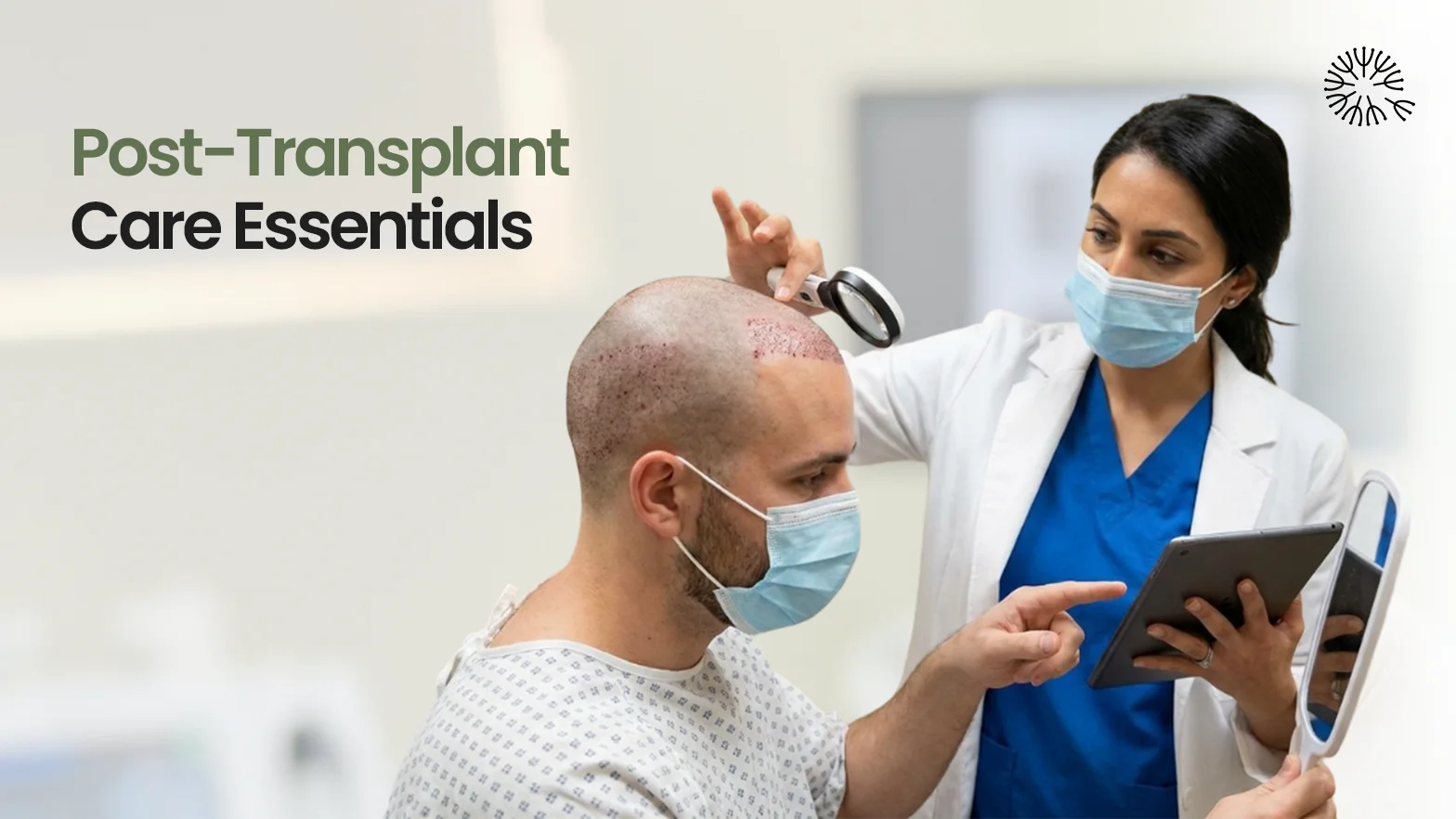
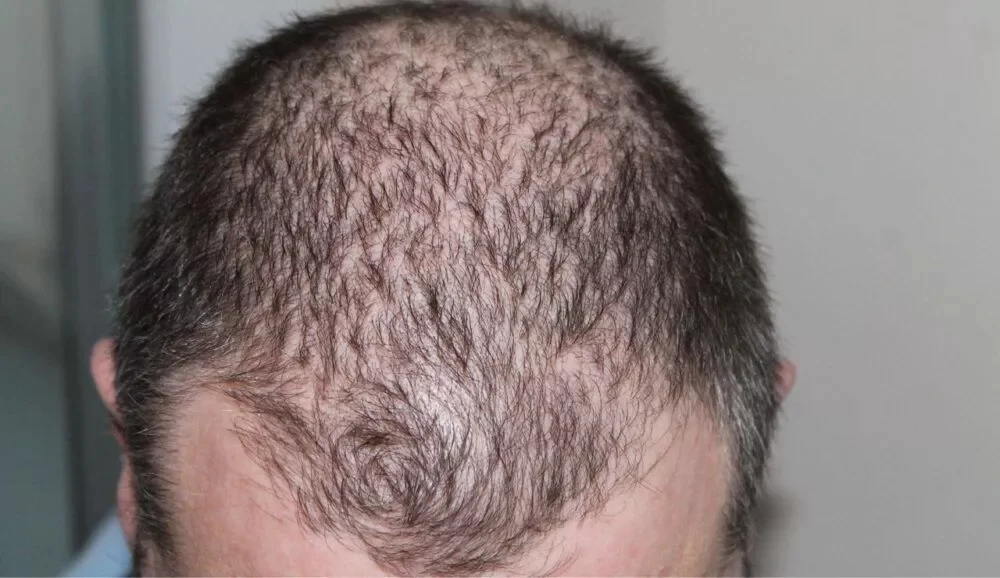
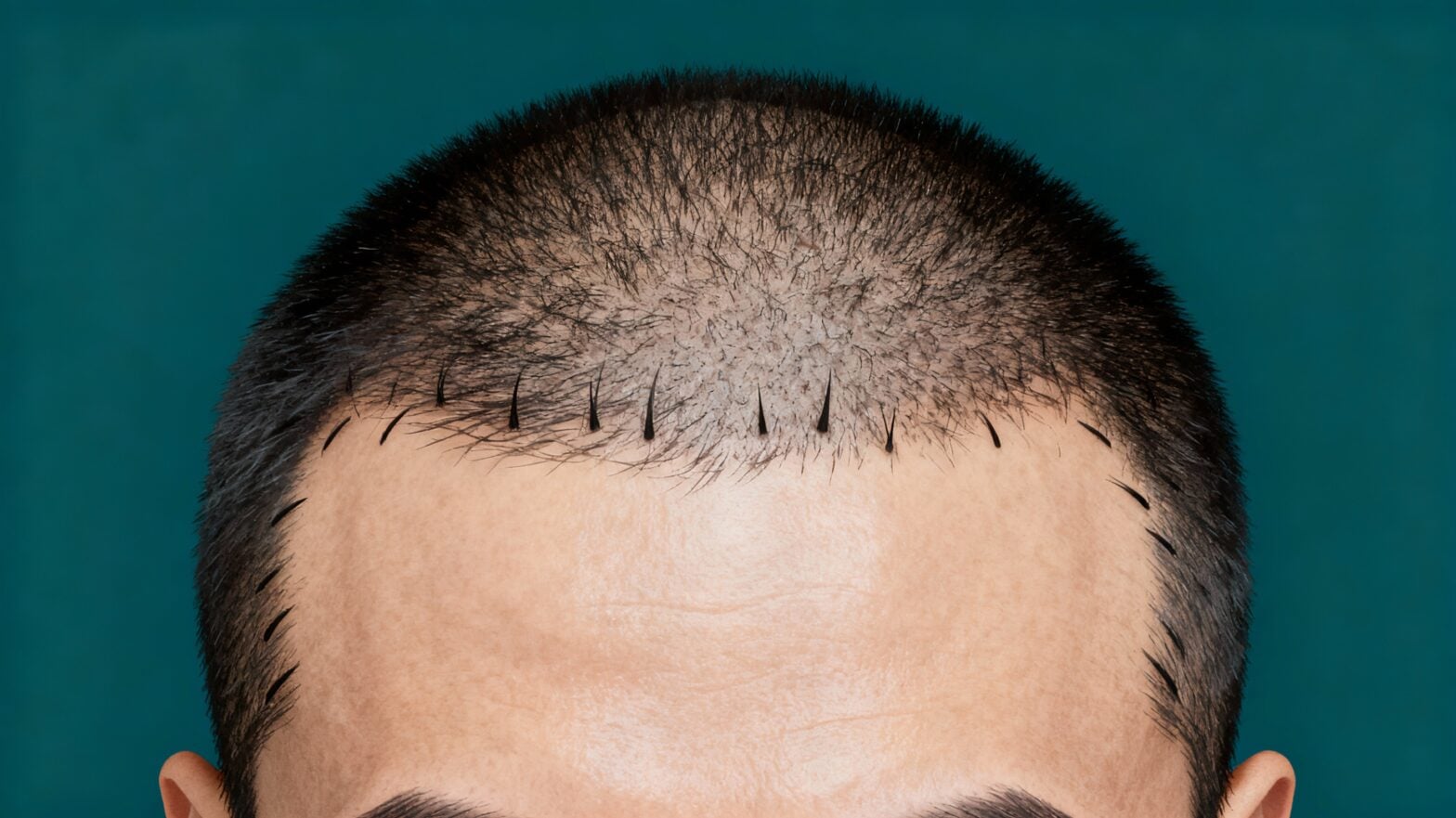
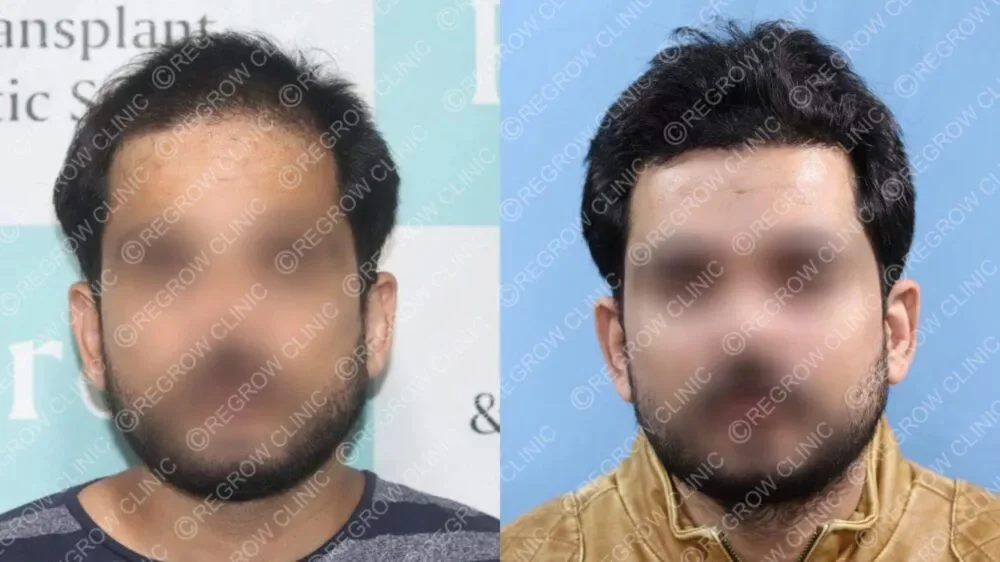
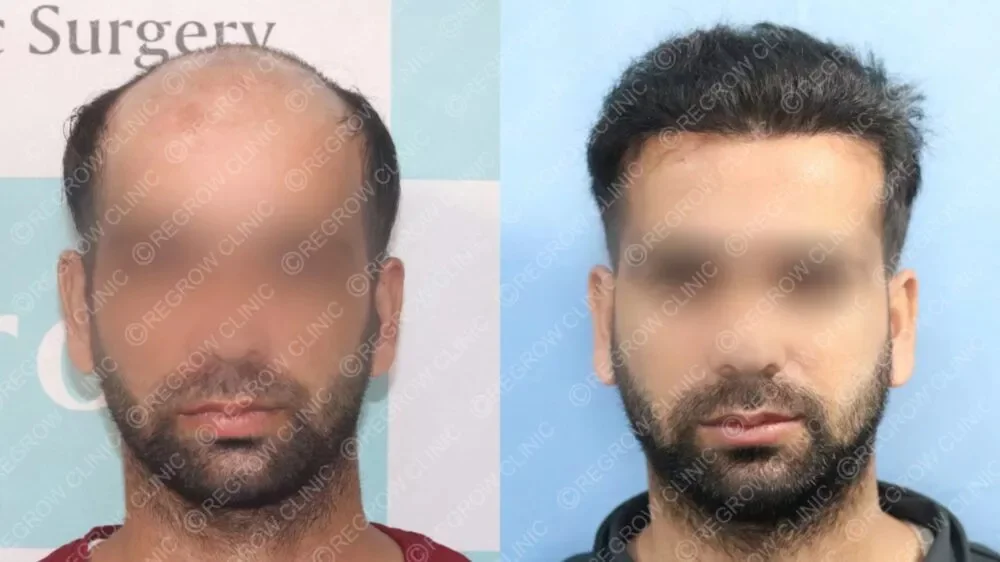
Hair transplant is gaining rapid recognition among both young and elderly people today. Once a hair transplant is done, you may feel like you’ve reached your destination. But, in reality, you are at the starting point of your transformation. Hair transplant surgery is only half the journey.
The days and weeks that follow are where the real magic (or mistakes) happen. Tiny decisions like how you sleep, when you wash your scalp, or go out in the sun can quietly determine the future of your grafts.
Hair-transplant aftercare is a phase many people overlook. They focus on the procedure, the clinic, the before-and-after photos, but underestimate the discipline required afterward. And, that is exactly where some people fall short. Post-hair transplant care is non-negotiable.
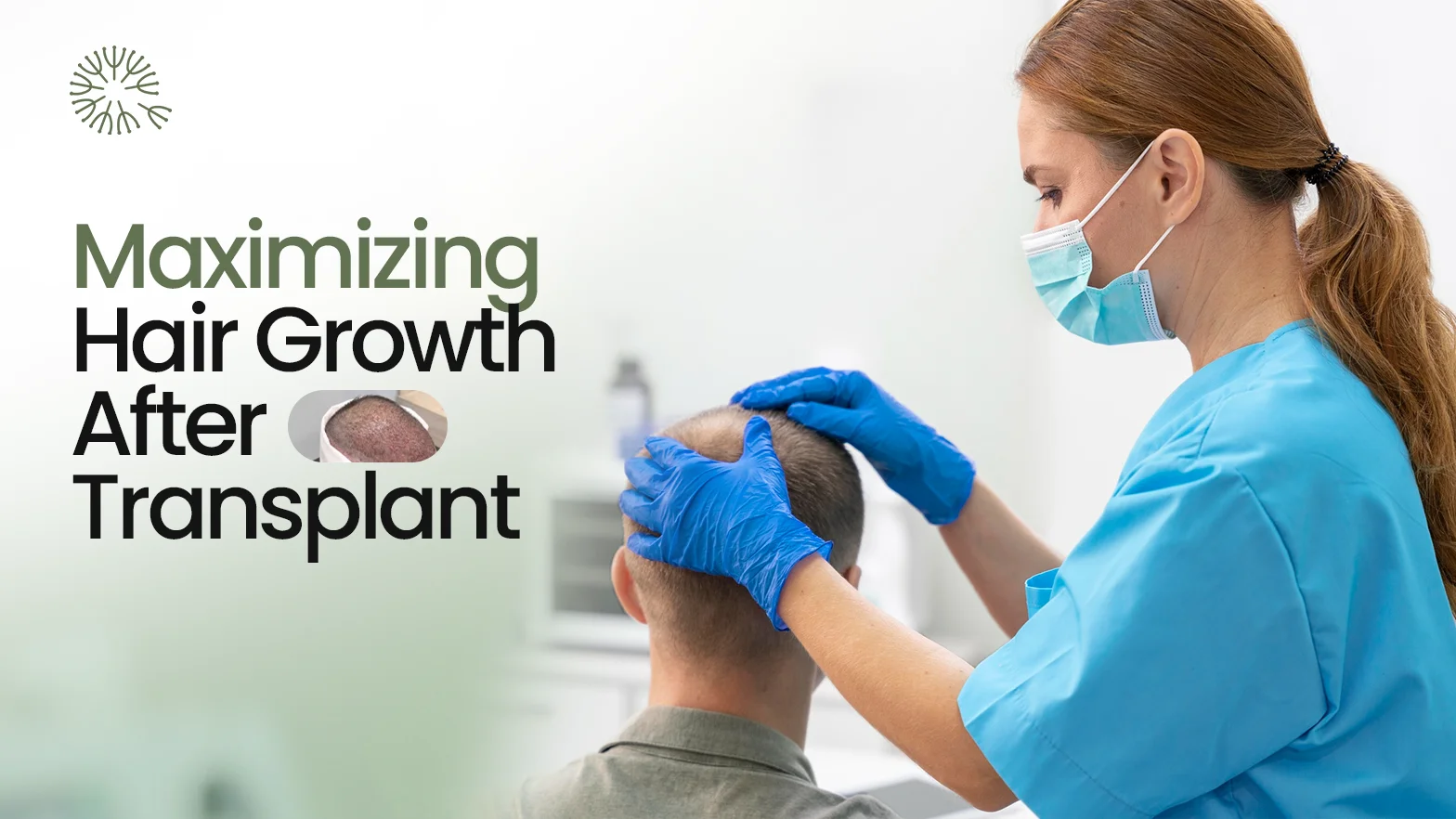
The success of a hair transplant depends on both the surgeon and you. At QHT Clinic, we provide detailed guidelines for post-transplant care to help you achieve your desired results. We don’t just tell you the do’s and don’ts, we break down what actually influences graft survival, healing speed, and long-term hair growth.
At QHT, we focus on maximizing your hair transplant results through proper guided care. Our hair surgeon supports you through every step of the post-transplant recovery process. From shampoos, serums, to diet and exercise, QHT clinic stands by you through it all. Visit us today for guided hair transplant and post-transplant care.
| Quick Answer
Hair transplant aftercare is essential for proper healing and achieving the best possible results. The first few days are the most critical, where protecting the grafts, avoiding sweat, and following your doctor’s instructions carefully play a key role in ensuring successful growth. After the initial healing phase, temporary shedding is normal, followed by gradual regrowth starting around 3–4 months. Final, natural-looking results are usually seen within 9–12 months. Staying patient and consistent with aftercare is important throughout the entire process. |
Table of Contents
- Why Is Hair Transplant Aftercare Critical?
- Hair Transplant Aftercare Do’s & Don’ts for the First 72 Hours
- Hair Transplant Recovery Timeline (What You Should Expect)
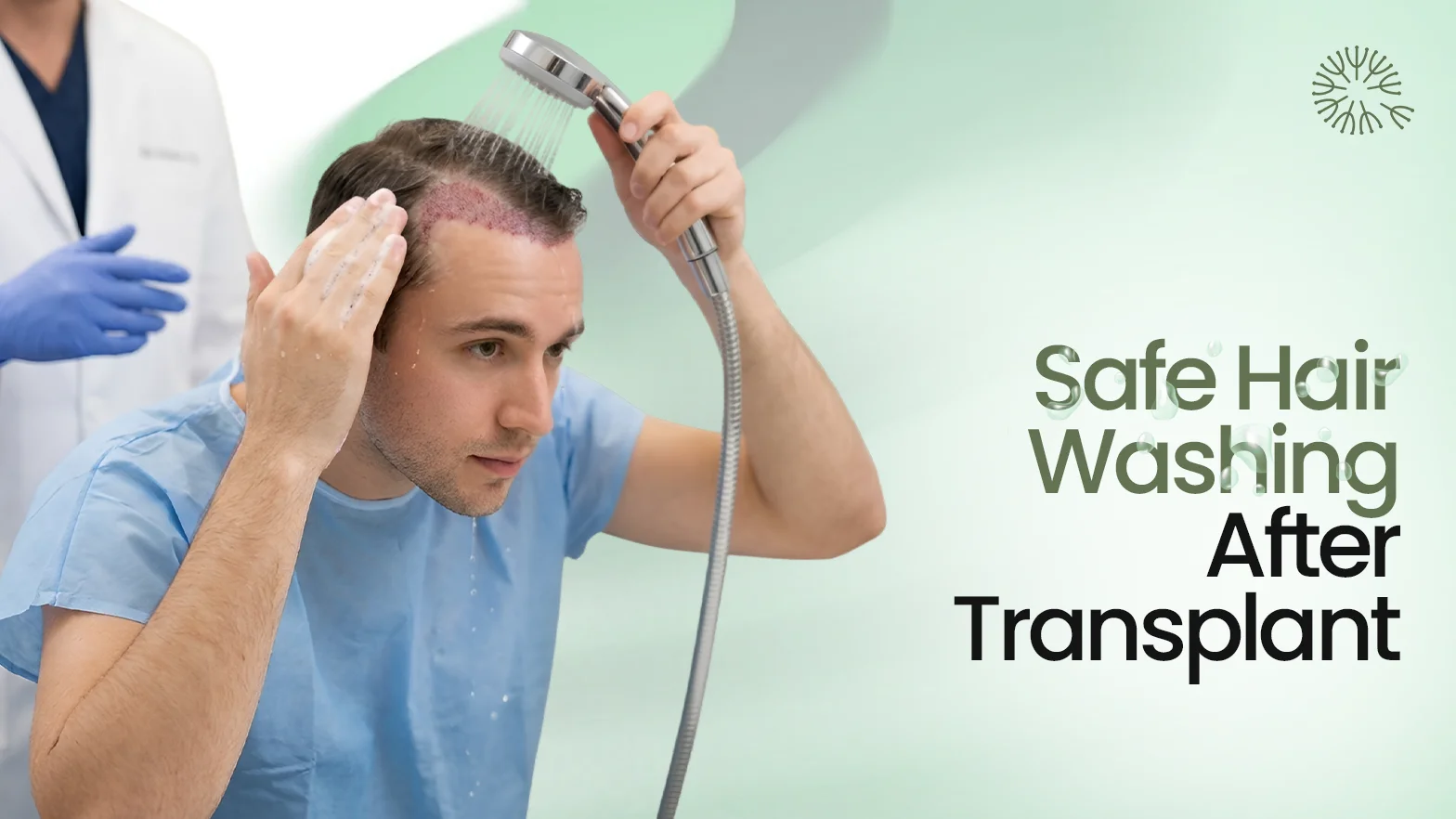
- How to Wash Your Hair After a Hair Transplant?
- When To See Doctor Urgently?
- How To Protect Your Hair Transplant Results with QHT Clinic?
- 7 Takeaway
- Frequently Asked Questions
Why Is Hair Transplant Aftercare Critical?
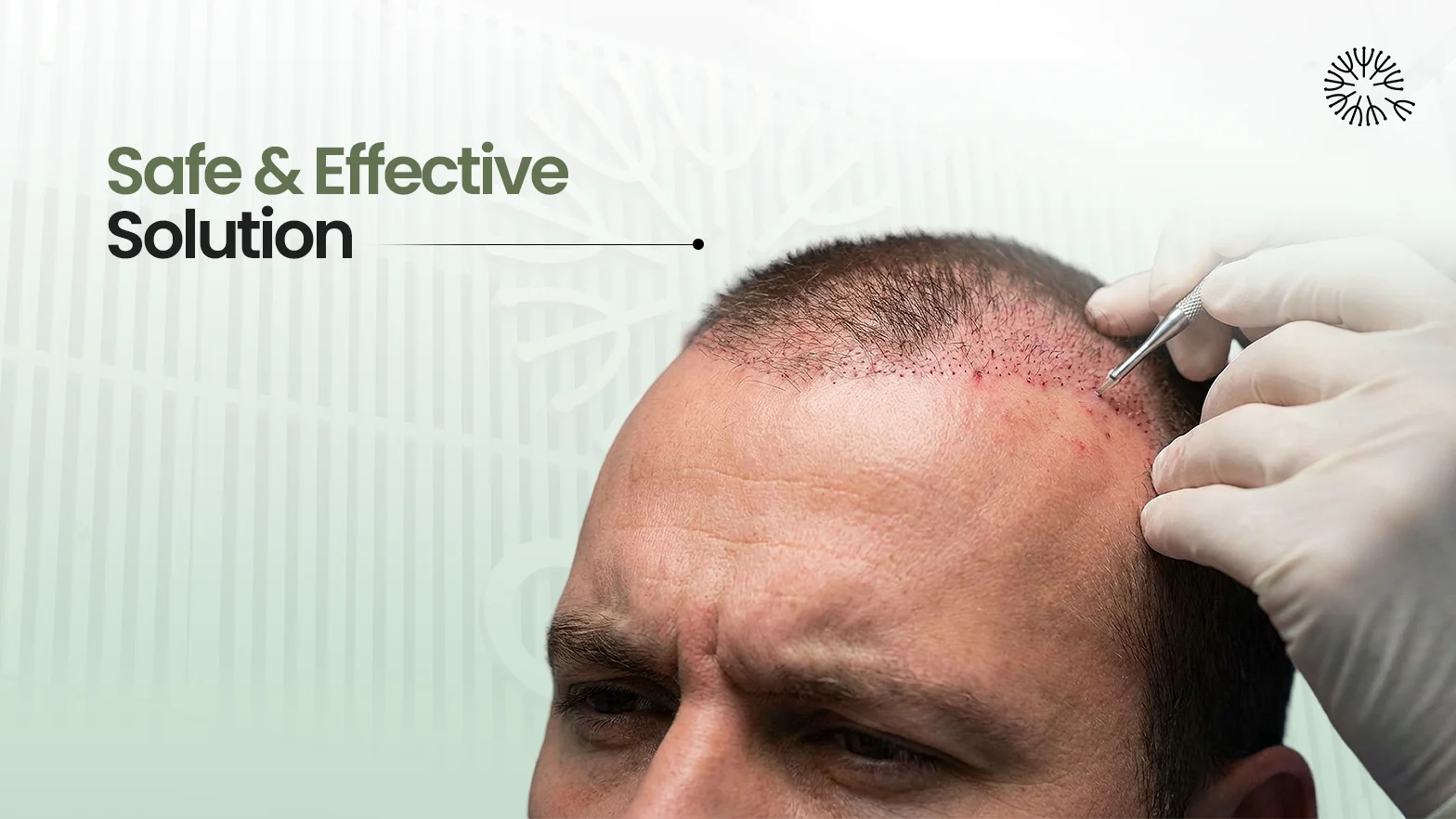
After a hair transplant, your newly implanted grafts are extremely delicate. They aren’t fully anchored yet and depend on the body’s early healing process to survive and grow.
In the first few days, your scalp is actively working to secure these grafts. This includes forming tiny clots, restoring blood supply, and repairing the skin. During this time, even minor stress like friction, pressure, or excessive sweating can disrupt this process.
That is why post-transplant care isn’t optional. Hair transplant after care directly impacts how many grafts survive, how well they heal, and ultimately, how natural and dense your final results will look.
Hair Transplant Aftercare Do’s & Don’ts for the First 72 Hours
The first 72 hours after your hair transplant are critical for graft survival and long-term results. During this period, your scalp is highly sensitive, and the newly implanted grafts are still settling into place.
As your body begins the healing process, tiny blood vessels start forming to supply nutrients, while clotting helps anchor the grafts securely. Following the right aftercare routine during this phase is essential to protect these fragile grafts and ensure optimal growth.
What to Do in the First 72 Hours After a Hair Transplant?
The first three days after your hair transplant are extremely important. This is when your grafts are settling in, and the way you care for your scalp during this period can directly impact your final results.
Keep Your Head Elevated While Sleeping
For the first few nights, sleep on your back with your head slightly raised (around 30–45 degrees). This position helps minimize swelling and prevents any accidental pressure on the newly implanted grafts.
Keep Your Hands Away from the Scalp
It’s important to resist the urge to touch or check your scalp. The grafts are still delicate, and even light contact can disturb them before they are securely anchored.
Stay in a Clean and Controlled Environment
Try to remain indoors as much as possible during the initial days. Exposure to heat, dust, or pollution can irritate the scalp and slow down the healing process.
Follow Your Medication Schedule Strictly
Take all prescribed medications exactly as directed. These are essential for preventing infection, reducing inflammation, and ensuring a smooth recovery.
Start Washing Only When Advised
Your doctor may recommend beginning a gentle wash after a couple of days. When you do, use only the suggested products and handle your scalp with extreme care.
Keep Yourself Hydrated
Drinking enough water supports better blood circulation, which plays a key role in delivering nutrients to the healing follicles.
Focus on Nutritious Foods
A healthy diet can make a noticeable difference in recovery. Include protein-rich foods along with vitamins and minerals like iron and biotin to support tissue repair and hair growth.
Take Care of the Donor Area
If your doctor has recommended any lotion or spray, apply it as instructed to the donor area. This helps reduce dryness and discomfort while promoting faster healing.
What to Avoid in the First 72 Hours After Hair Transplant?
The first 72 hours after your hair transplant are critical for graft survival. During this time, even minor mistakes can affect your final results. Avoid the following to ensure proper healing and optimal hair growth:
Avoid Sweating and Physical Activity
Refrain from any activity that causes sweating, such as gym workouts, running, or exposure to heat. Sweat can irritate the scalp, increase the risk of infection, and weaken newly implanted grafts.
Avoid Alcohol and Smoking
Do not consume alcohol or smoke during the initial recovery period. Alcohol can thin the blood and interfere with medications. Smoking can reduce oxygen supply to the hair follicles. Both of which can delay healing and compromise graft survival.
Avoid Sudden Movements or Bending
Move slowly and carefully at all times. Sudden bending, jerky head movements, or straining can increase pressure on the scalp and negatively impact the newly placed grafts.
Avoid Any Friction on the Scalp
Do not allow your scalp to rub against pillows, clothing, or any surfaces. Avoid wearing tight caps, helmets, or headgear, as friction can dislodge grafts before they fully settle.
Stay Out of Direct Sunlight
Protect your scalp from direct sun exposure, as it can damage sensitive skin and delay healing. Stay indoors as much as possible during the first few days.
Do Not Scratch or Pick at the Scalp
Itching and mild scabbing are normal parts of healing. However, scratching or picking can pull out grafts, cause scarring, and increase the risk of infection.
Avoid Hair Products and Styling Tools
Do not use gels, sprays, or any styling products. Heat tools like hair dryers or straighteners should also be avoided, as they can irritate the scalp and interfere with recovery.
Avoid Swimming and Contaminated Water
Stay away from swimming pools, seawater, or any potentially contaminated water sources. These can expose your scalp to bacteria and chemicals, increasing infection risk.
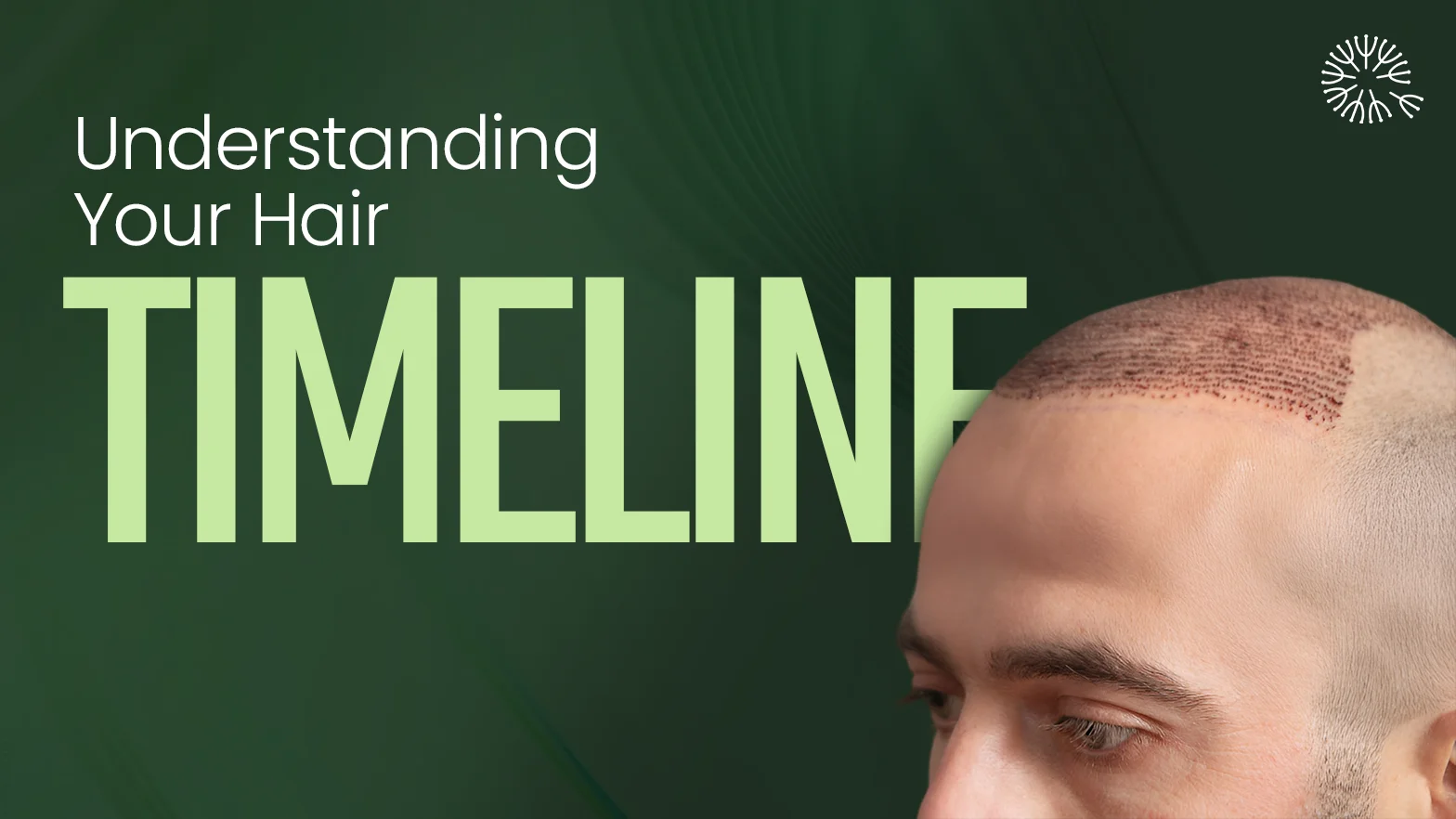
Hair Transplant Recovery Timeline (What You Should Expect)
After a hair transplant, healing and hair growth happen in stages. Knowing what is normal can help you stay calm and avoid unnecessary worry.
First 10 Days: Initial Healing
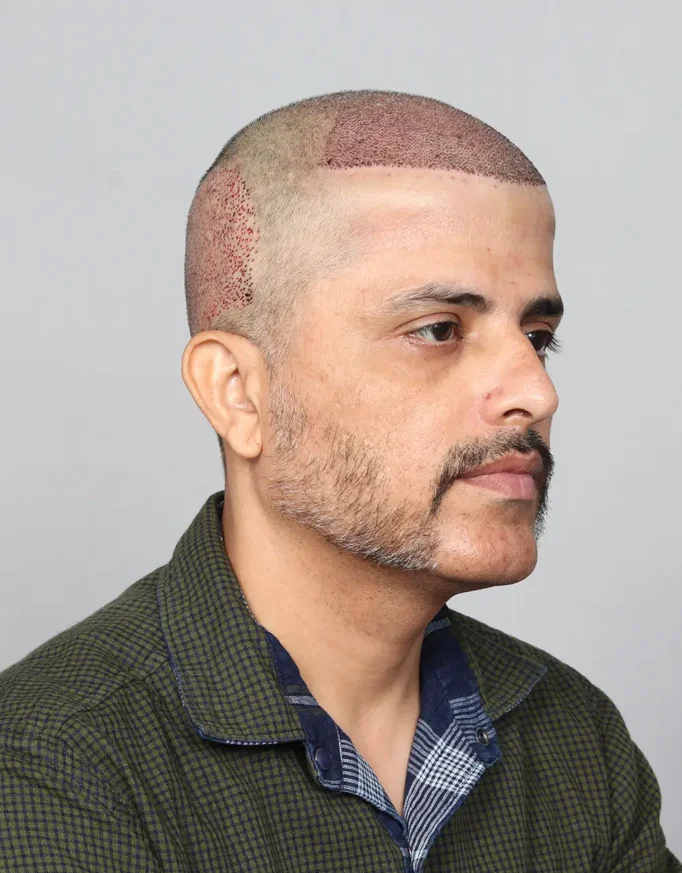
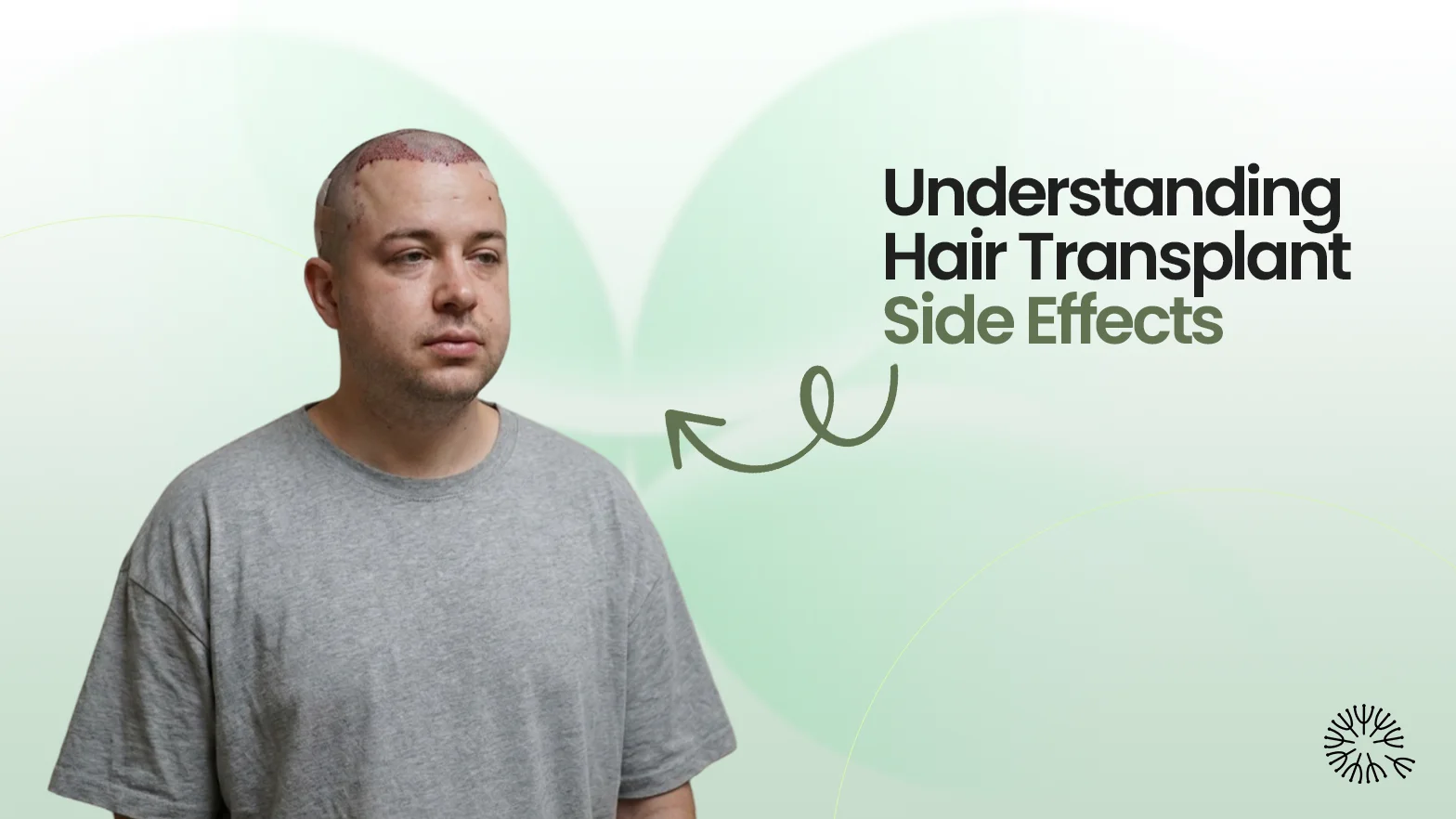
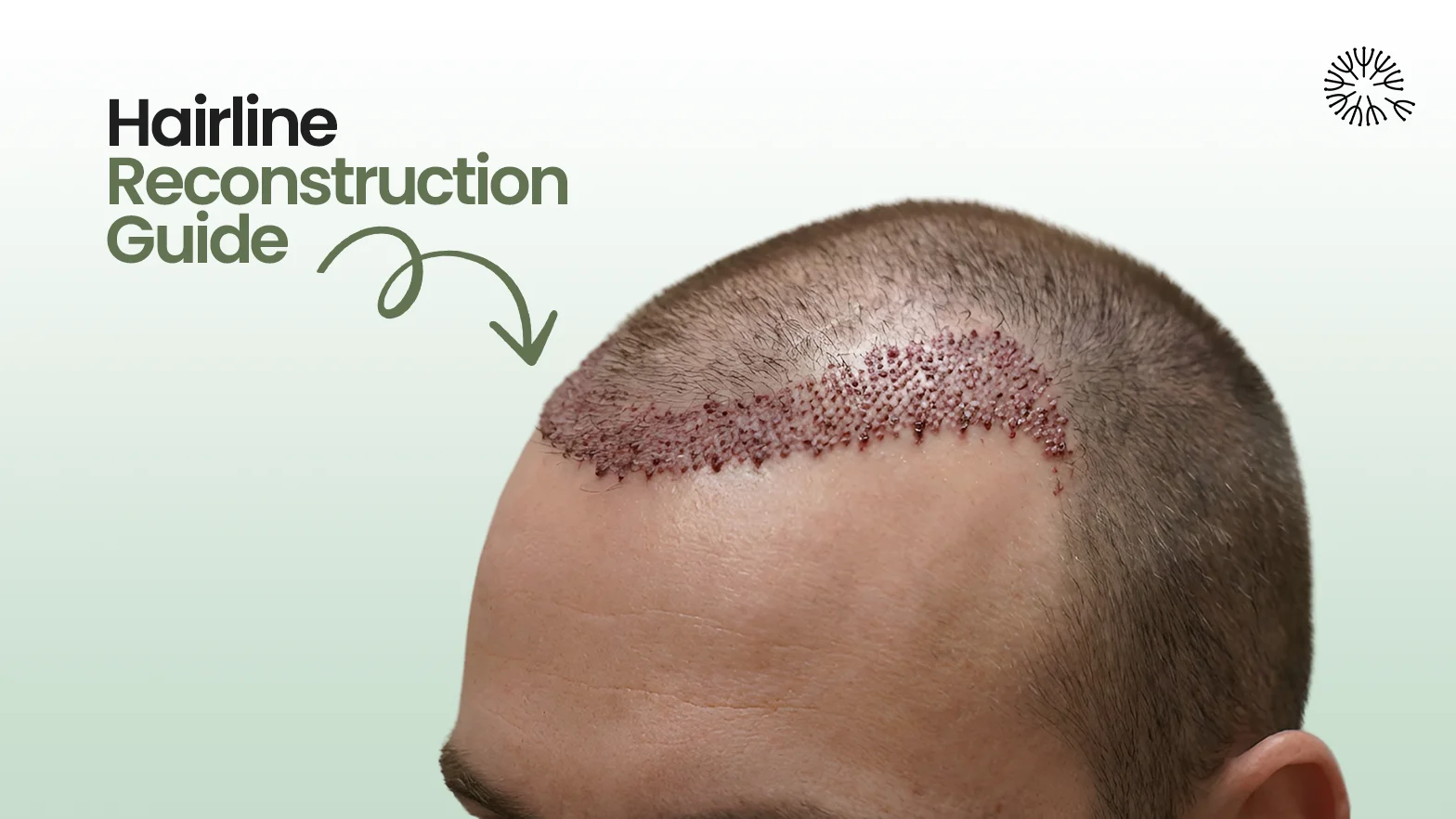
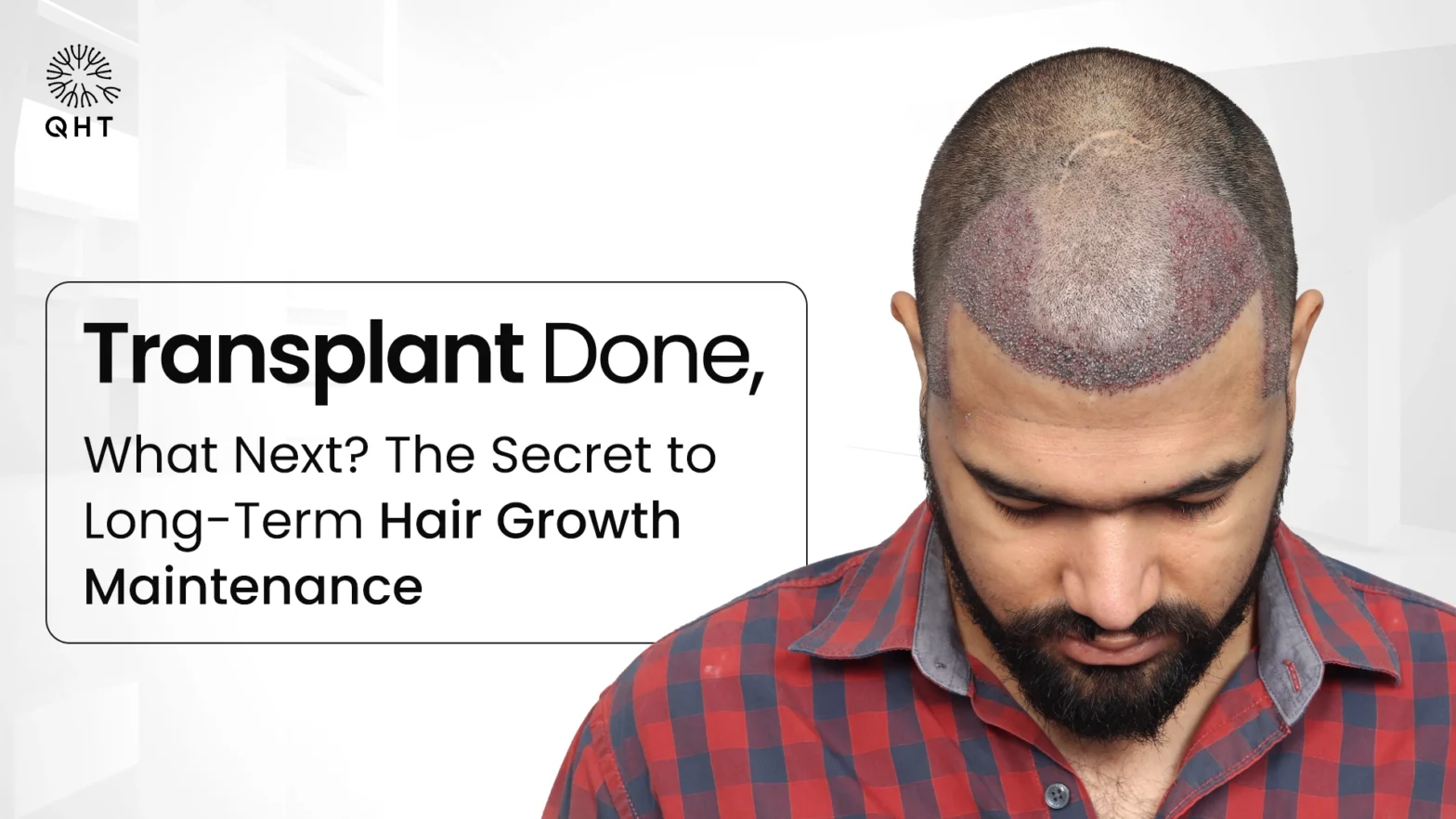
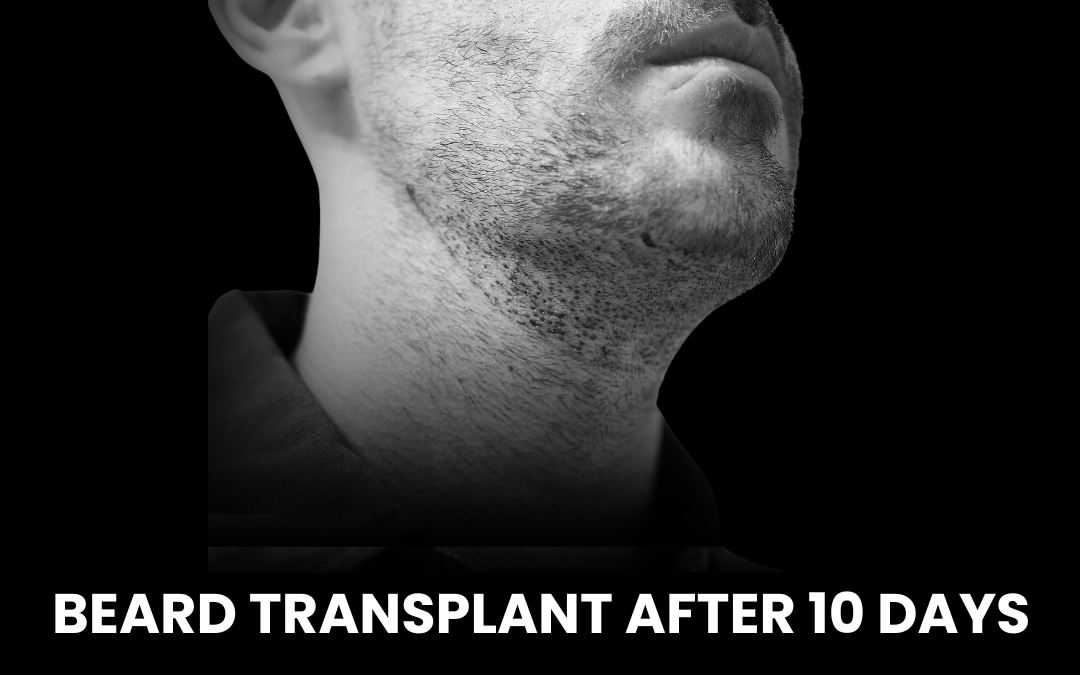
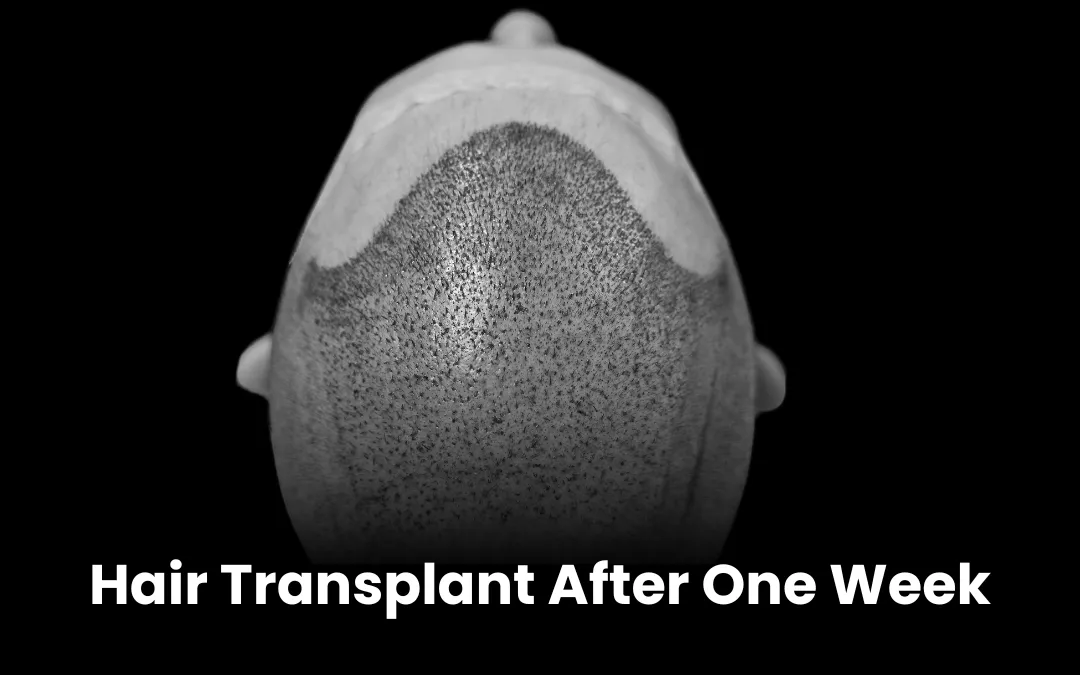
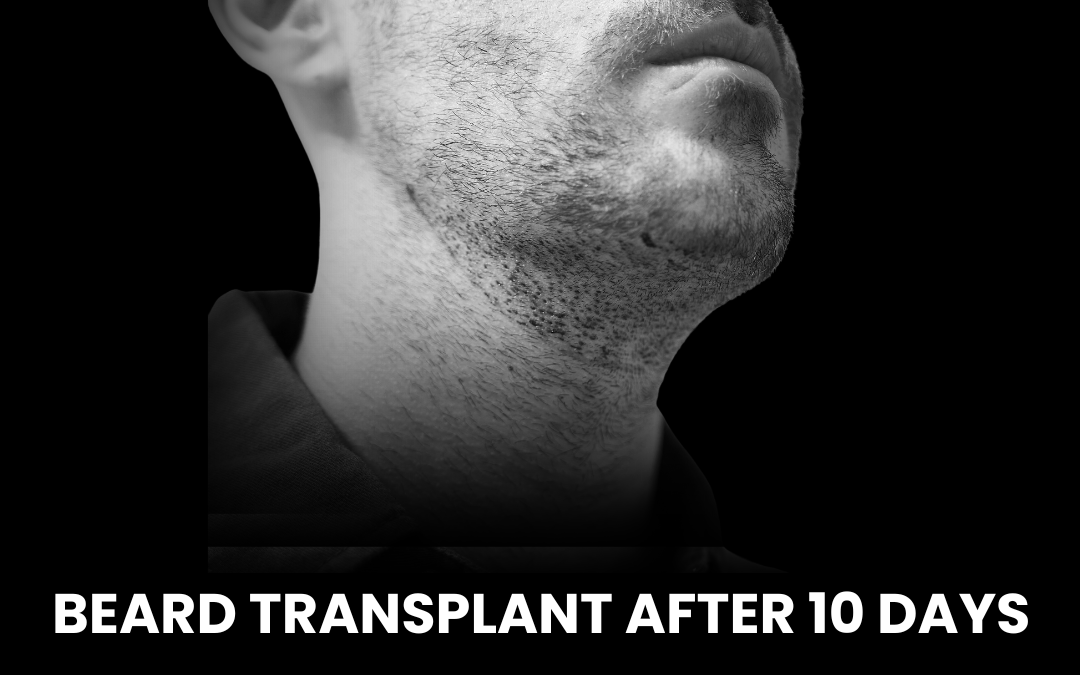
In the first few days post-hair transplant, you may notice swelling, mild discomfort, and small scabs on the scalp. This is completely normal. Swelling is usually highest around day 2–4 and then slowly settles. By the end of 7–10 days, most of the scabs start falling off on their own.
Weeks 2–4: Shedding Phase
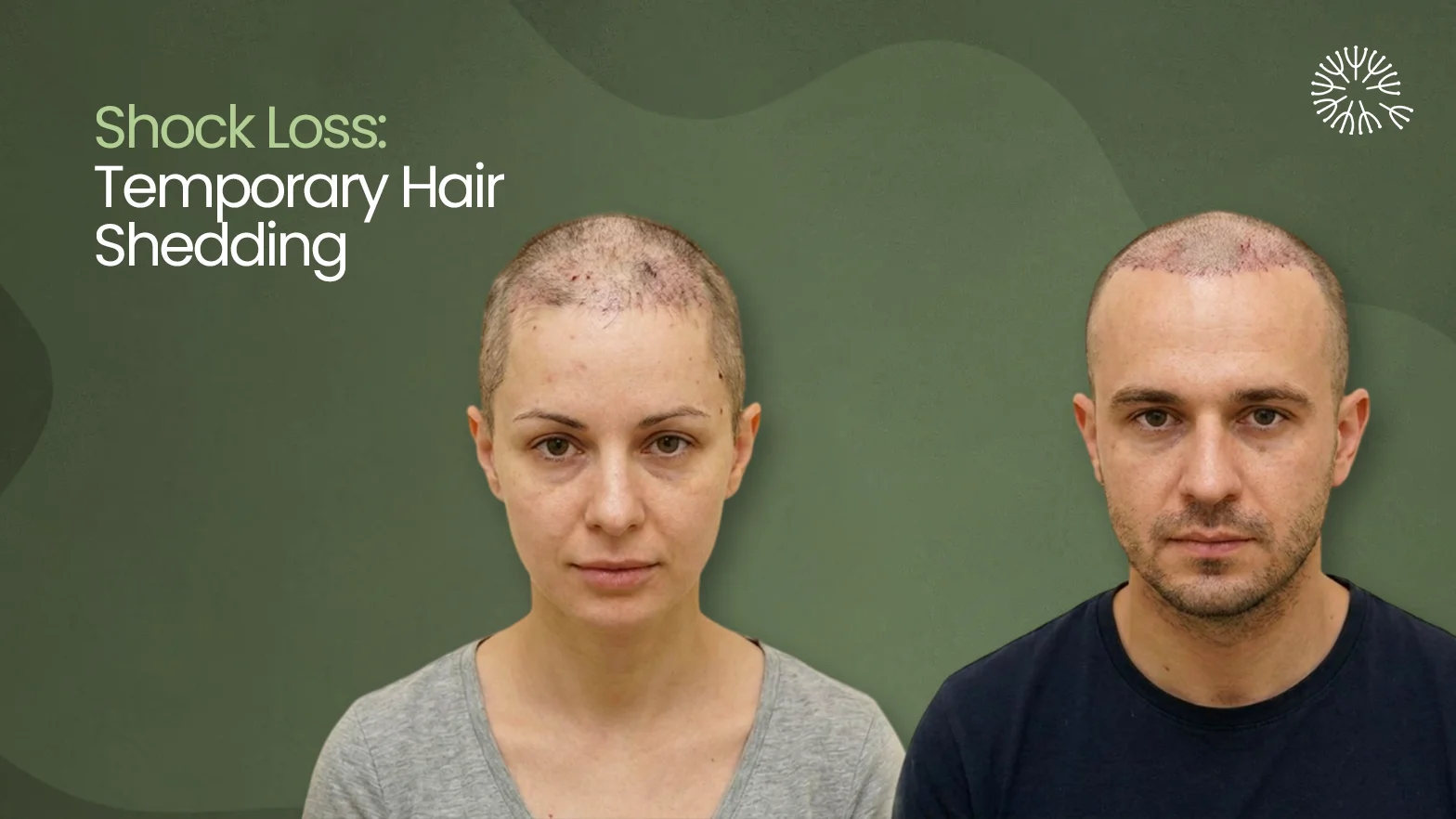
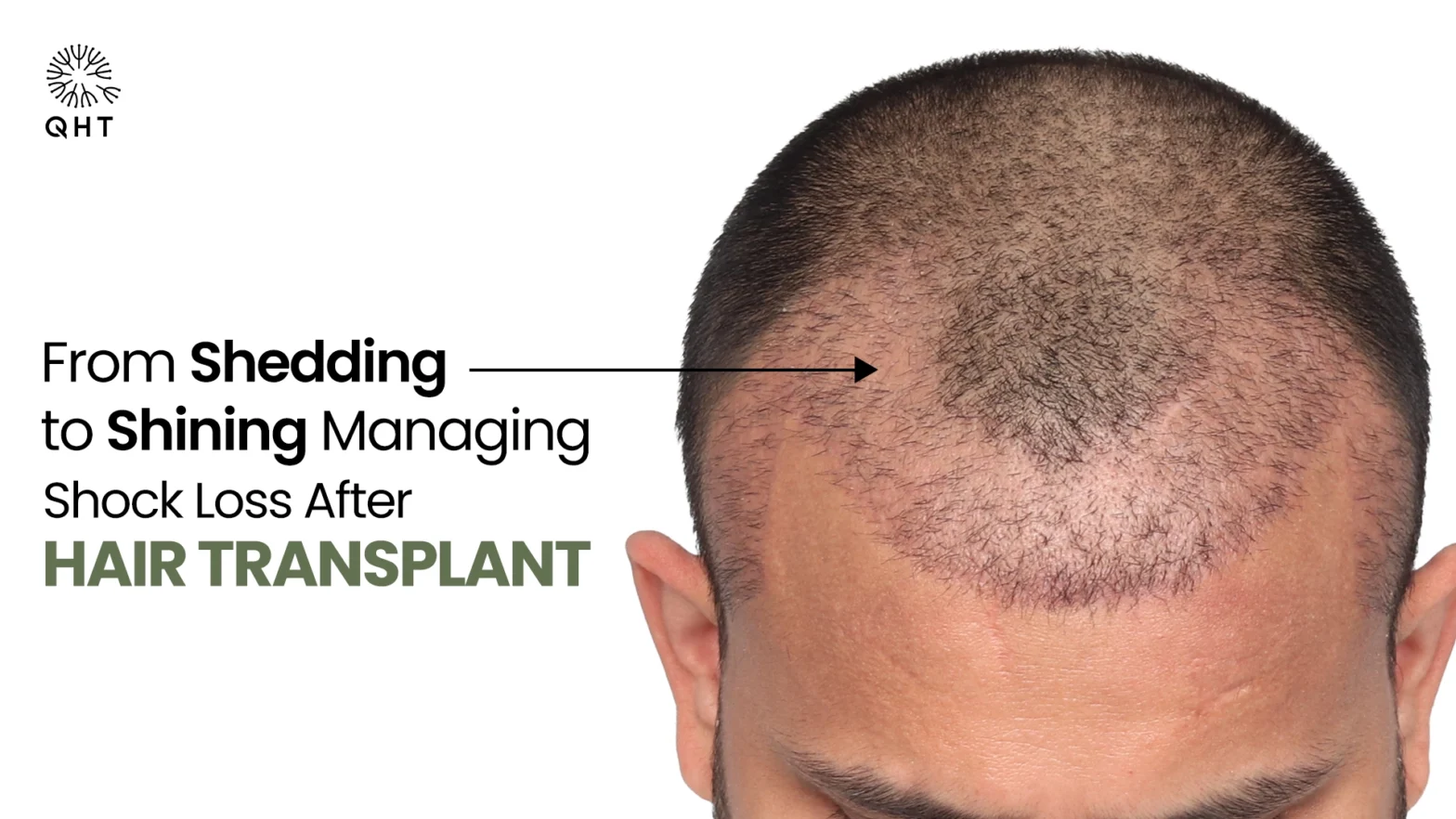
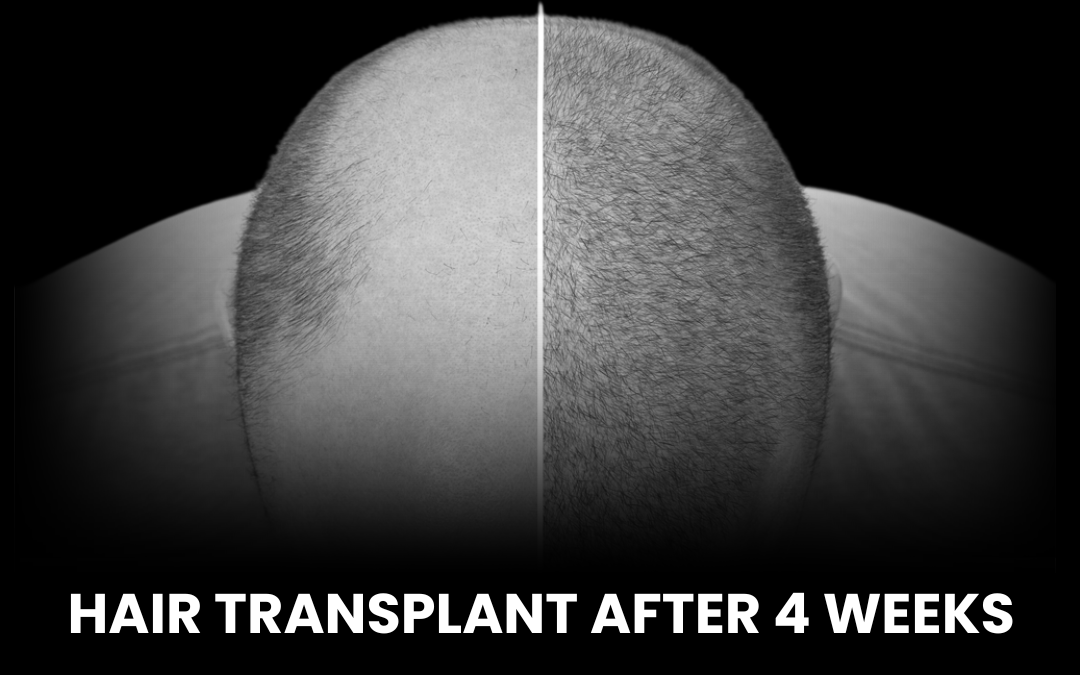
Around this time, the transplanted hair often starts to fall out. This is expected and is called “shock loss.” It can look worrying, but the hair follicles are still safe under the skin and will grow again. Most people can return to work and normal routine during this phase.
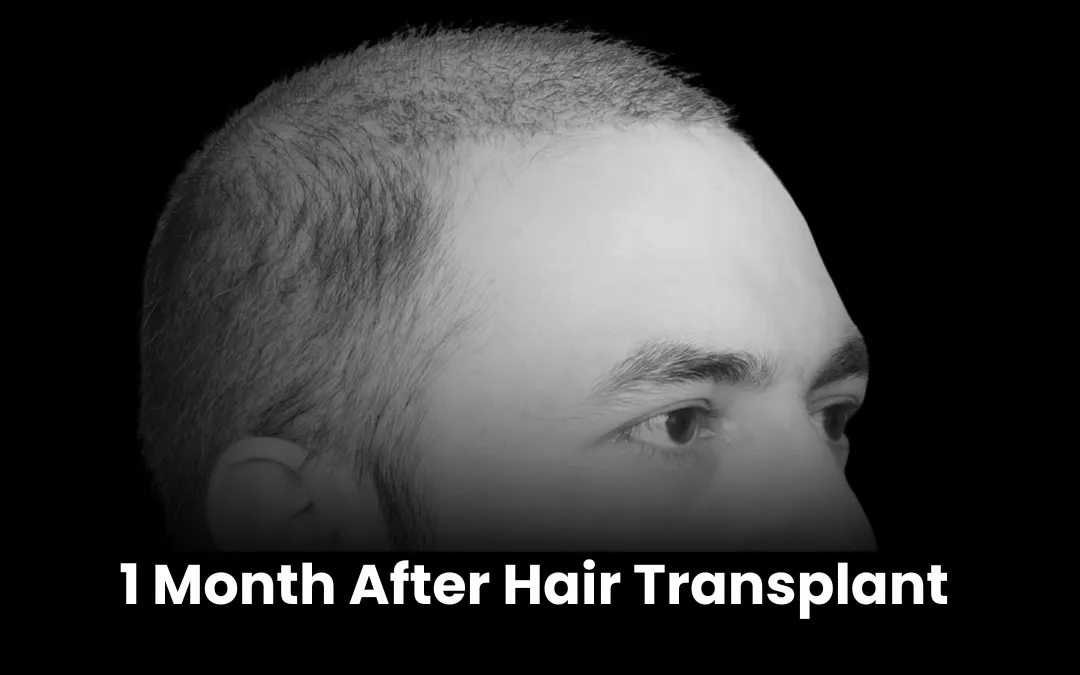
Month 1: Back to Routine
By the end of the first month, your scalp looks much more normal. Light activities and gentle hair care are usually fine. Heavy workouts should still be avoided unless your doctor allows it.
Months 3–4: New Hair Starts Growing
This is when you start seeing small, fine hairs coming in. The growth may look uneven at first, but this is part of the natural process.
Months 6–9: Noticeable Improvement
Hair becomes thicker and coverage improves. You’ll start seeing a clear change in appearance during this time.
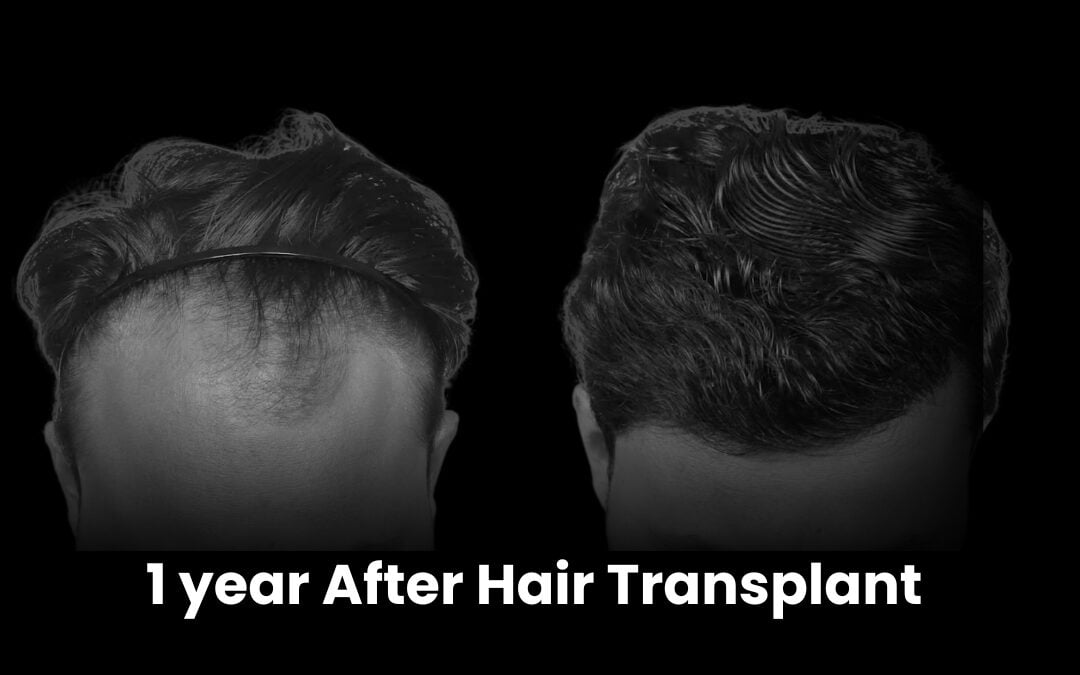
9–12 Months: Final Results
This is when you see your full result. The hair looks natural, thicker, and properly blended with your existing hair.
NOTE: shedding is normal and real growth takes time, so follow your doctor’s instructions and let results build gradually. Every patient heals differently, so if you feel unsure at any point, don’t hesitate to check with your doctor.
How to Wash Your Hair After a Hair Transplant?
After a hair transplant, your scalp is in a very sensitive healing phase. The newly implanted grafts are still settling into place, so how and when you wash your hair plays a key role in protecting your results.
Washing too early or too roughly after transplant can disturb these fragile grafts and may affect proper growth. That’s why patience and a gentle approach are essential in the first few days.
When You Can Start Washing
- First 48 hours: Do not wash your hair at all
- Day 3–5: Gentle washing can begin, but only if your doctor gives approval
How to Wash Your Hair Safely
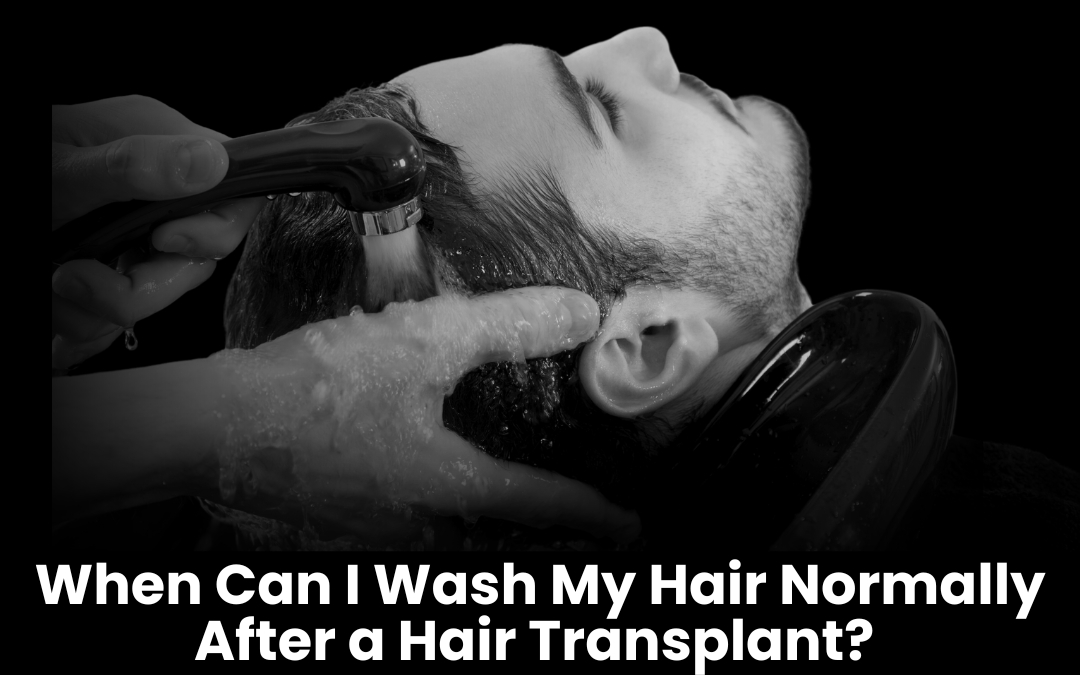
- Use lukewarm water only (avoid hot water)
- Apply a mild, doctor-recommended shampoo, usually diluted if instructed
- Use very soft dabbing motions (do not rub or scratch the scalp)
- Allow water to flow gently over the head without strong pressure
- Rinse slowly and carefully to avoid disturbing the grafts
- Pat dry using a soft towel (avoid any rubbing or friction)
Why Gentle Washing Matters
Proper and careful washing is important because it helps you:
- Keep the scalp clean and reduce the risk of infection
- Allow scabs to fall off naturally without damaging grafts
- Support faster, safer, and healthier healing of the scalp
When To See Doctor Urgently?
While mild redness, swelling, scabbing, and slight discomfort are normal after a hair transplant, certain symptoms should never be ignored. You should contact your doctor immediately if you notice:
- Severe or worsening pain that doesn’t improve with prescribed medication, as this may indicate infection or complications.
- Excessive swelling, especially if it spreads to the eyes or face beyond the expected initial days.
- Persistent bleeding or pus discharge from the donor or recipient area, which can be a sign of infection.
- Fever (above 100.4°F / 38°C) or chills, suggesting your body may be fighting an infection.
- Unusual redness, warmth, or foul smell from the scalp—these are classic warning signs of infection.
- Sudden loss of transplanted grafts or visible gaps forming in the implanted area.
- Severe itching with bumps or rashes, which could indicate an allergic reaction to medications or aftercare products.
Early intervention can prevent minor issues from becoming serious and protect your transplant results.
How To Protect Your Hair Transplant Results with QHT Clinic?
A hair transplant can give permanent results in the transplanted area, but it does not stop natural hair loss in other parts of the scalp. That’s why long-term care is essential to maintain overall density and keep your results looking natural and healthy.
To protect your results over time, you should:
- Continue prescribed medications as advised by your doctor
- Maintain a healthy, balanced lifestyle
- Manage stress effectively
- Follow a proper and gentle hair care routine
- Go for regular follow-up check-ups
- Opt for PRP or GFC booster sessions as recommended
Why are PRP and GFC boosters important?
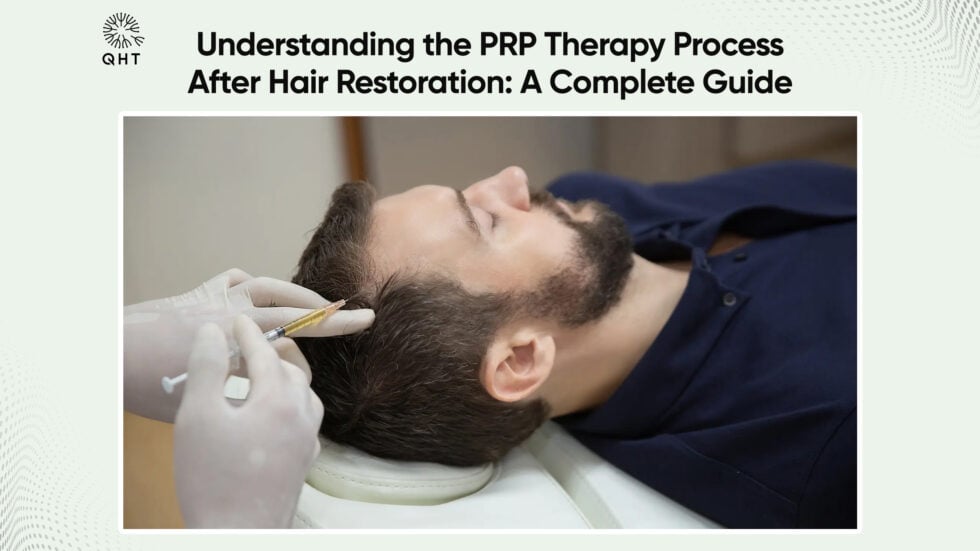
PRP (Platelet-Rich Plasma) and GFC (Growth Factor Concentrate) booster sessions help strengthen both transplanted grafts and existing native hair. They work by delivering concentrated growth factors directly to the scalp, improving blood supply, reducing inflammation, and enhancing follicle survival. These treatments also help minimise post-transplant thinning (shock loss) and support better hair thickness, density, and long-term stability of results.
At QHT Clinic, we provide complete post-transplant guidance, including personalised aftercare instructions, medication support through URoots, and recommendations on suitable hair care products. We also design customised PRP/GFC maintenance plans when needed, ensuring you are fully supported even after your procedure and helping you maintain long-lasting, natural-looking results
Takeaway
Post-hair transplant care plays a decisive role in the success of the procedure. The first few days require careful attention to avoid pressure, sweating, and improper washing, while recovery continues in stages over several months. Shedding in the initial weeks is normal, with visible growth starting around 3–4 months and final results appearing within 9–12 months. Following your doctor’s instructions and staying patient throughout the process ensures the best possible outcome.
For the best results and structured post-transplant care support, you can visit our QHT clinic for personalised guidance, follow-up care, and complete recovery planning tailored to your hair restoration journey. Visit us today.
Frequently Asked Questions
- When can I wash my hair after a transplant?
You can usually avoid washing for the first 48 hours after the procedure. Gentle washing may begin from day 3–5, but only if your doctor confirms it is safe.
- Is hair shedding normal after a transplant?
Yes, shedding in the first few weeks is completely normal and expected. The transplanted follicles remain active under the skin and will regrow new hair over time.
- When will I see new hair growth?
New hair growth typically starts around 3–4 months after the procedure. Initially, the hair may be thin, but it gradually becomes thicker over time.
- When are final results visible?
Final results are usually seen between 9–12 months. By this time, the hair looks fuller, denser, and more natural.
- Can I exercise after a hair transplant?
Light walking is generally allowed after a few days, depending on your recovery. However, heavy workouts and gym activities should be avoided for about 3–4 weeks.
- Do I need to take medicines after the transplant?
Yes, prescribed medications are important for proper healing and to prevent infection. Always take them exactly as directed by your doctor for the best results.
- When can I wear a cap after a hair transplant?
You can usually wear a loose, soft cap after 7–10 days, once the grafts are secure and scabs have fallen off. Avoid tight caps or anything that rubs against the transplanted area in the early phase, as this can dislodge grafts and affect results. Always follow your clinic’s specific advice, as healing timelines can vary slightly.
- What happens if I sweat accidentally in the first week after a transplant?
Mild sweating is not harmful if cleaned gently, but excessive sweating can increase the risk of infection and irritation. Sweat creates a moist environment that may affect healing grafts, so it’s important to dab the area carefully and avoid heavy physical activity during this period.
- When can I travel by flight after a hair transplant?
You can typically fly within 2–3 days after the procedure, provided there are no complications. However, it’s important to avoid touching the scalp, stay hydrated, and protect the grafts from pressure or contamination during travel.
- When can I resume sexual activity after a hair transplant?
Sexual activity can usually be resumed after 7–10 days, once the grafts are stable. Early activity may increase heart rate, sweating, and blood pressure, which can disrupt healing and increase the risk of graft dislodgement.
Book a Consultation Today
Latest Videos
-

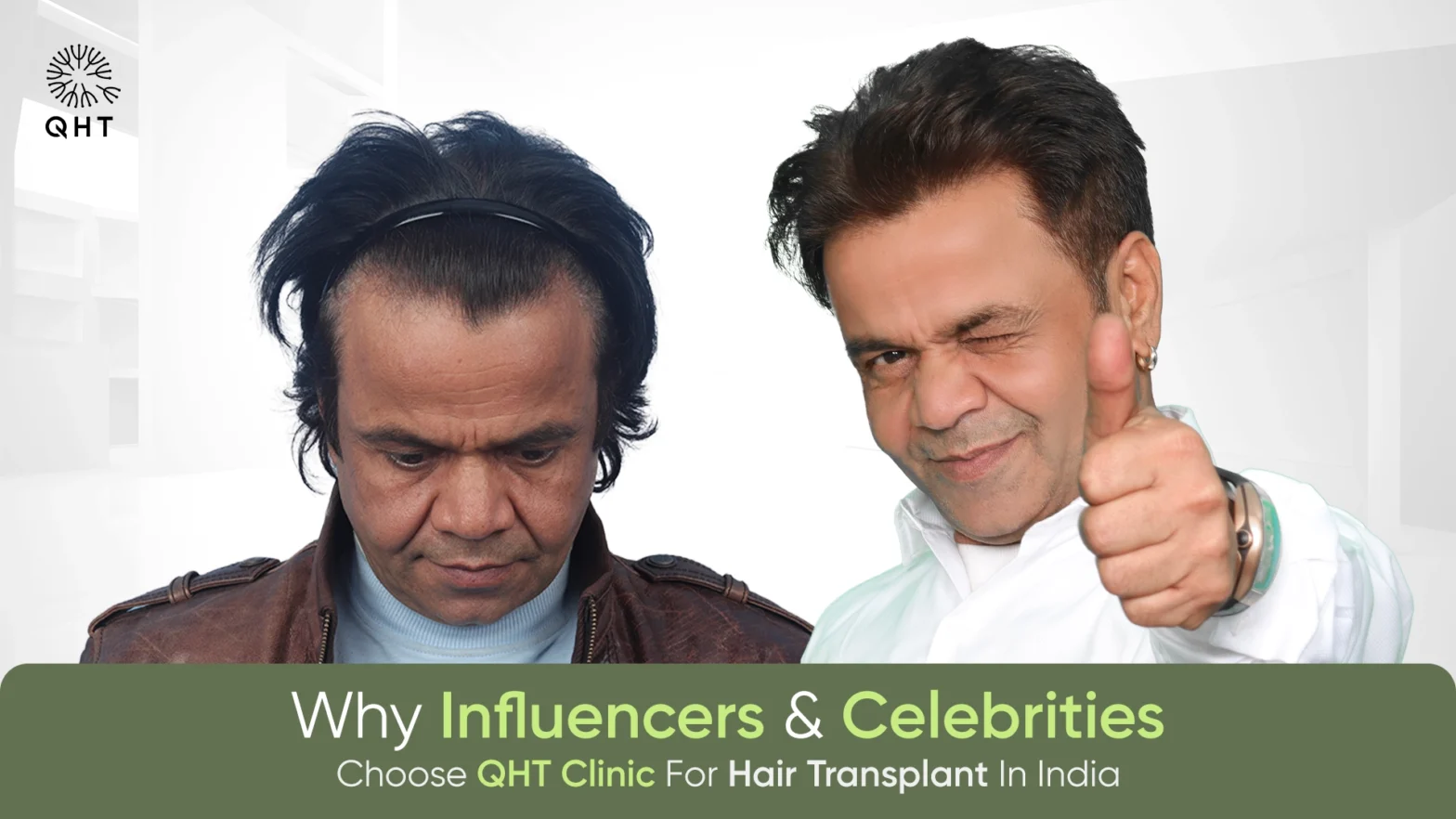
Rajpal Yadav | Bollywood Actor Hair Transplant Journey at QHT Regrow Clinic Haridwar
Click to Watch
-

FUE Hair Transplant Results | DAYA's FUE Hair Transplant Results
Click to Watch
-

Best Hair Transplant Result 2021 || NW Grade VI A || 3,422 Grafts
Click to Watch
-
Best Hair Transplant Result 2022 | Grade 4
Click to Watch
-

YouTuber Mehtab Saifi Hair Transplant
Click to Watch
-

ACP Pradyuman Hair Transplant - Actor's Hair Transplant
Click to Watch