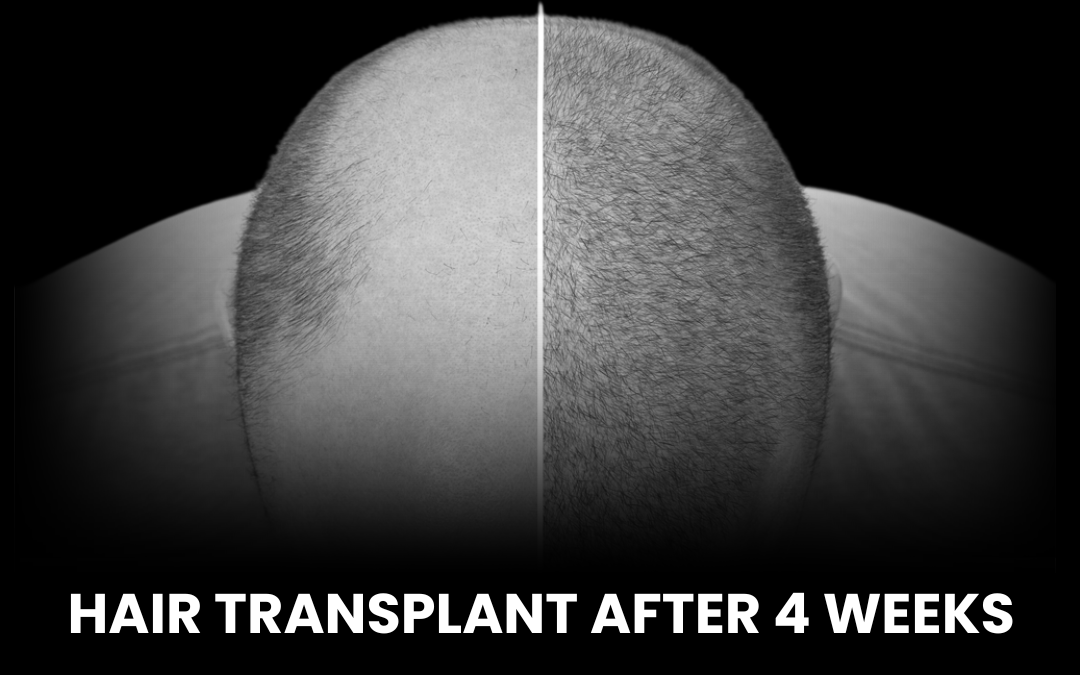




Hair Transplant Cost in India 2026 | Price Breakdown
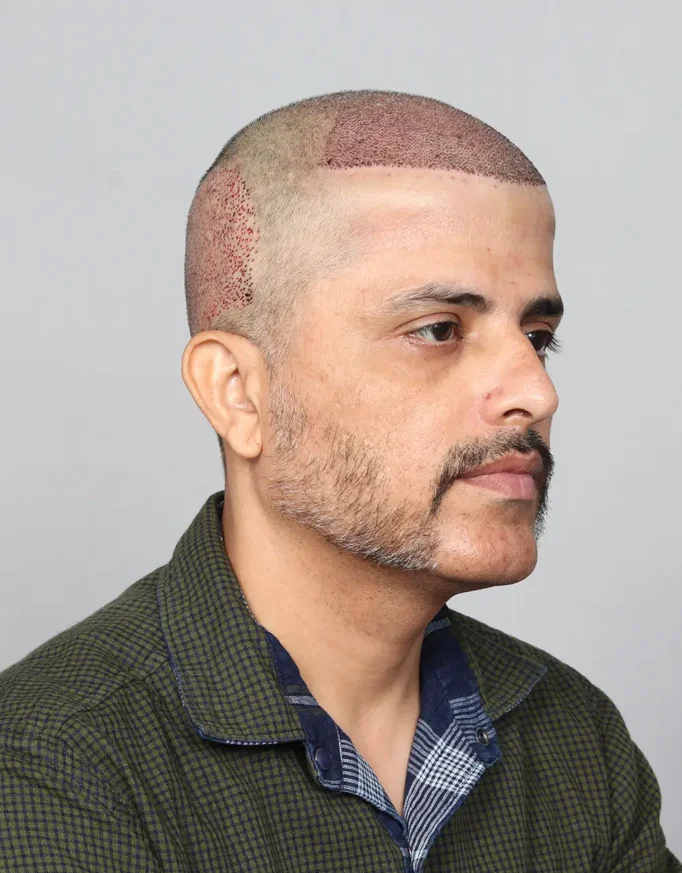
What Is a Hair Transplant, and Who Is the Right Candidate?
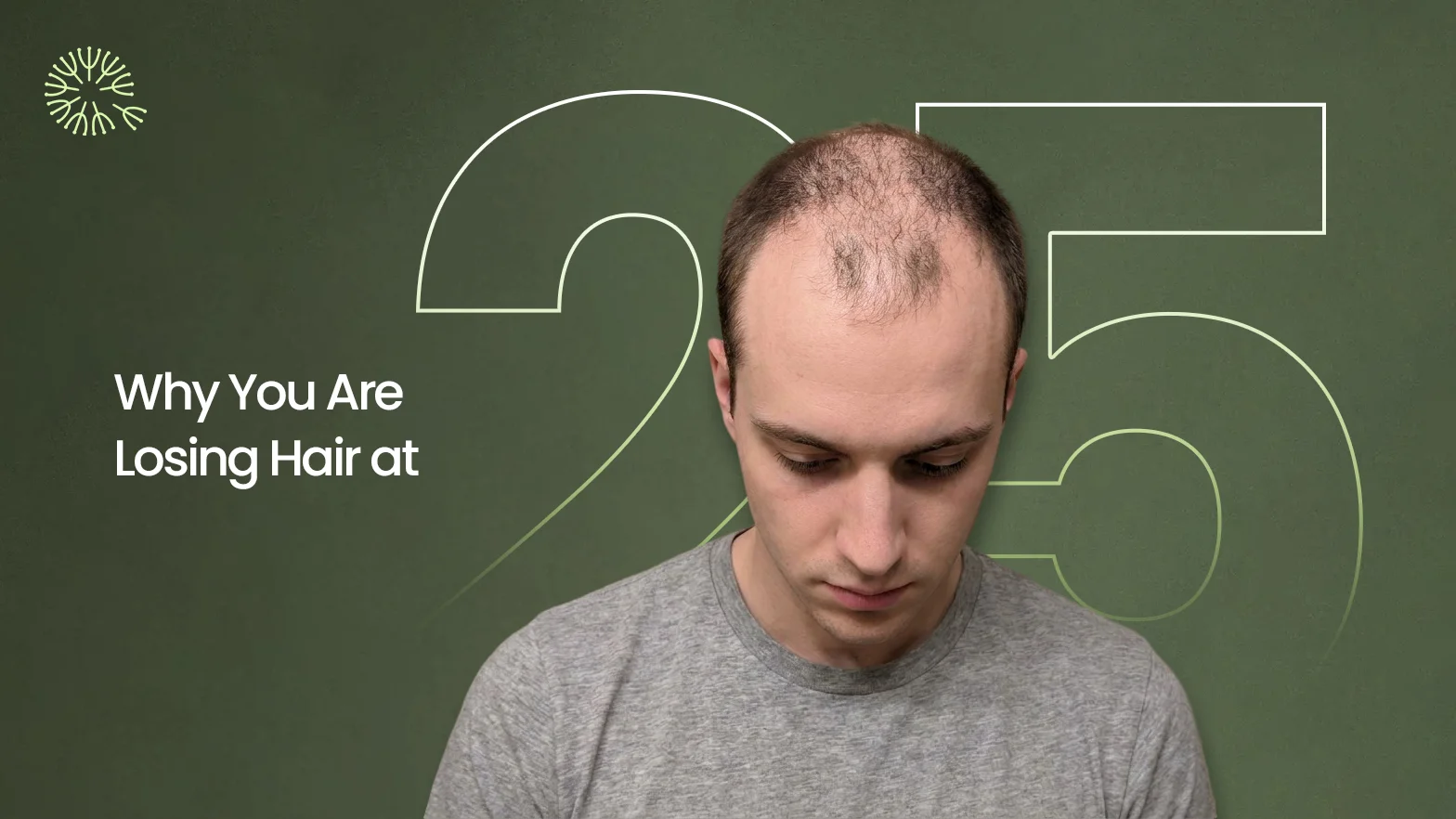
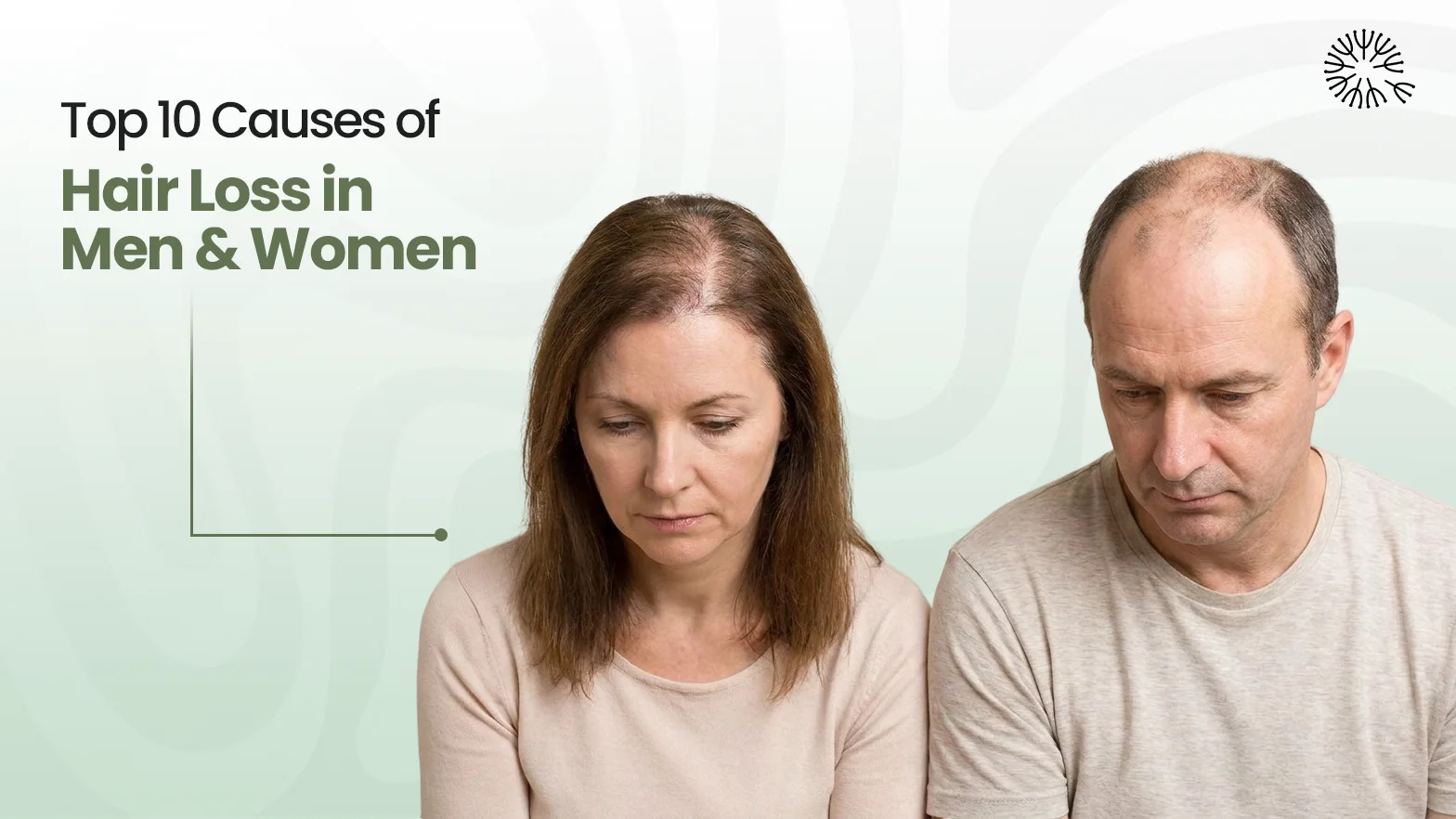
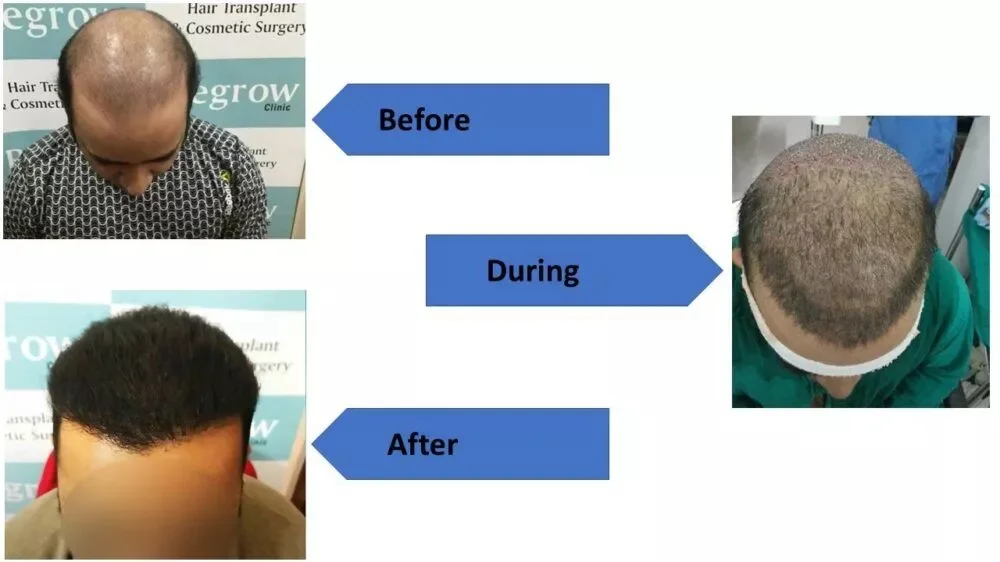
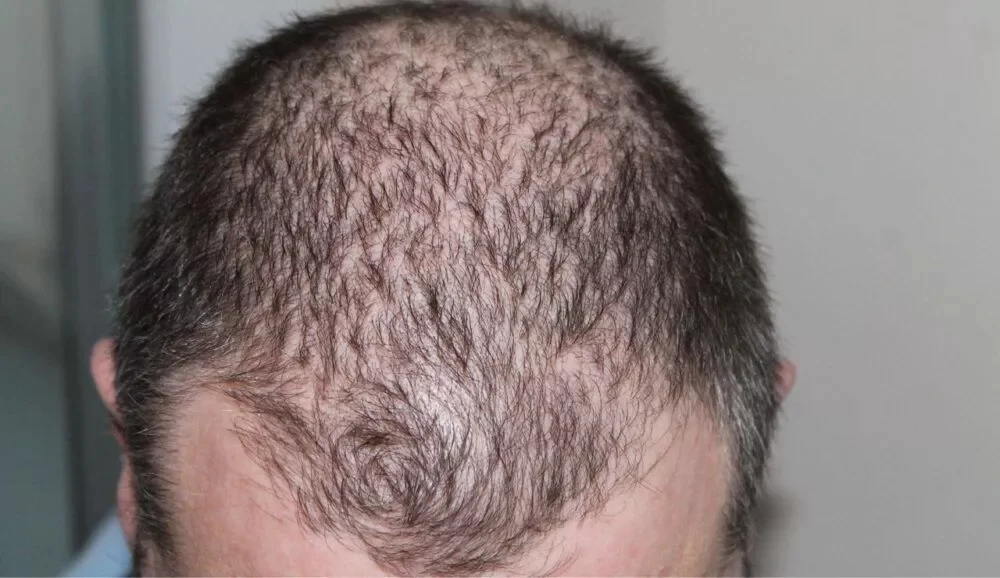
Hair loss affects millions of people across India. Whether the cause is androgenetic alopecia, stress-related thinning, scarring from burns, or hormonal imbalance, the impact on confidence and self-image is well documented. A hair transplant offers a permanent, surgical resolution where other treatments fail to deliver lasting results.
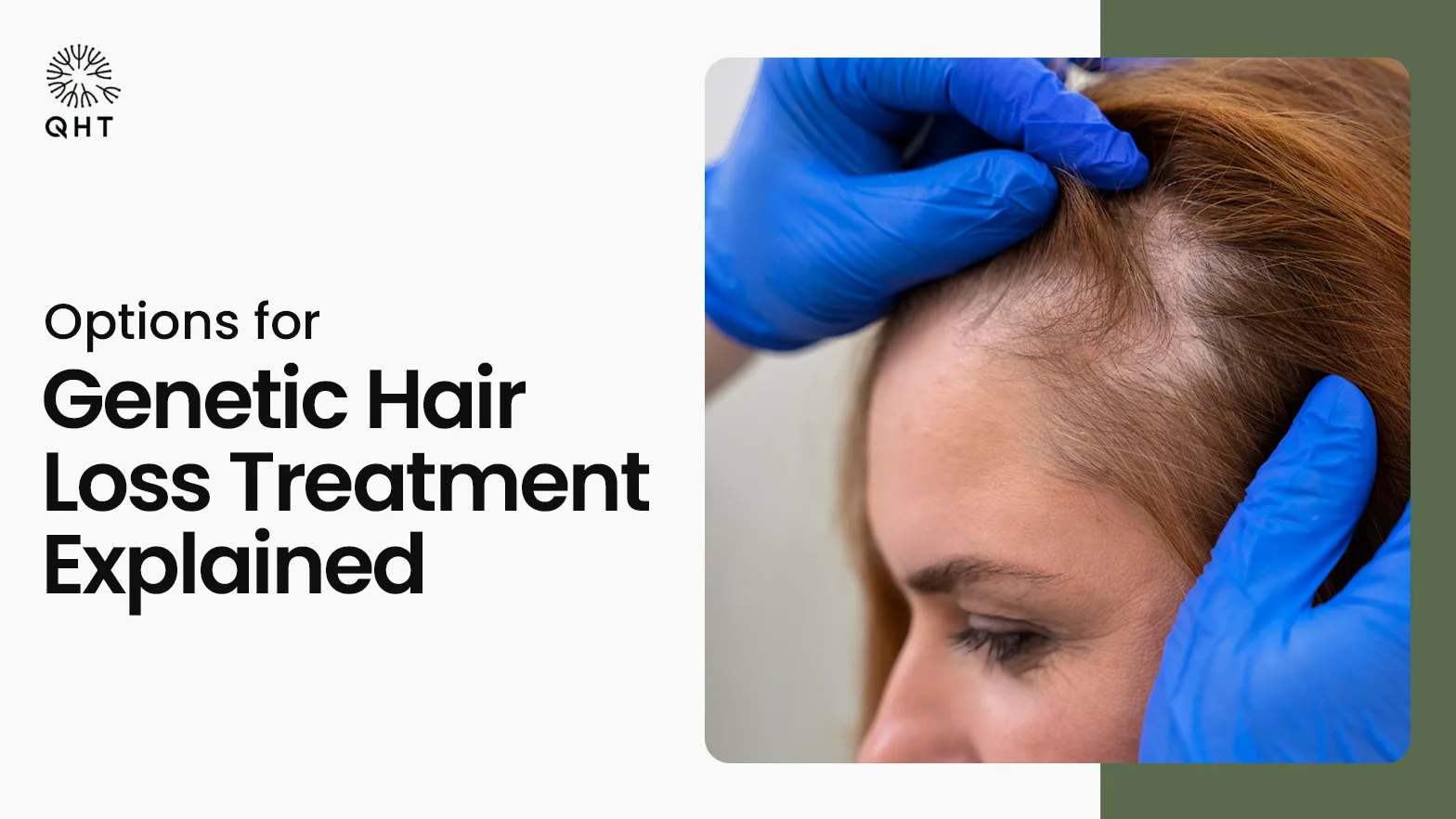
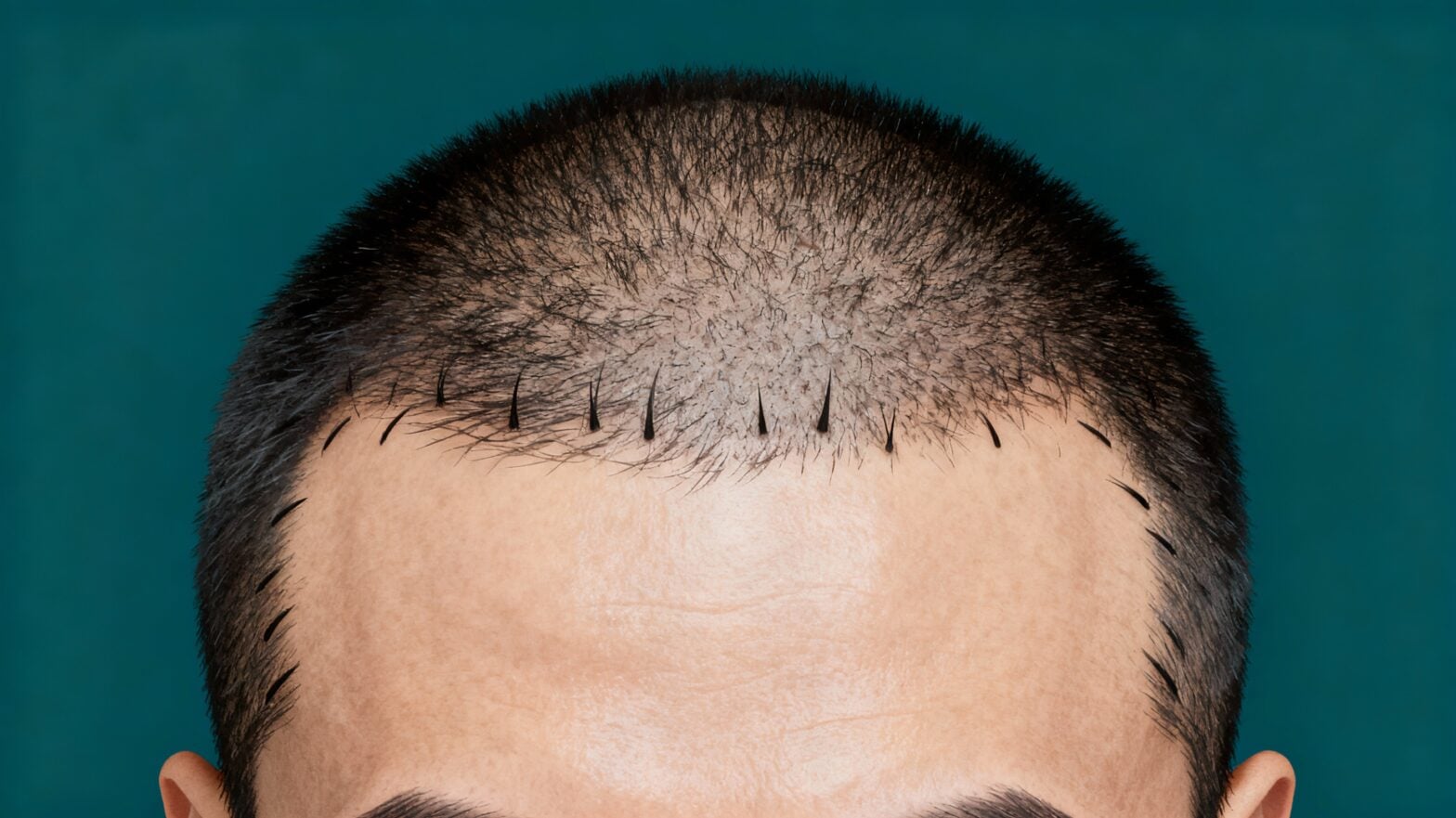
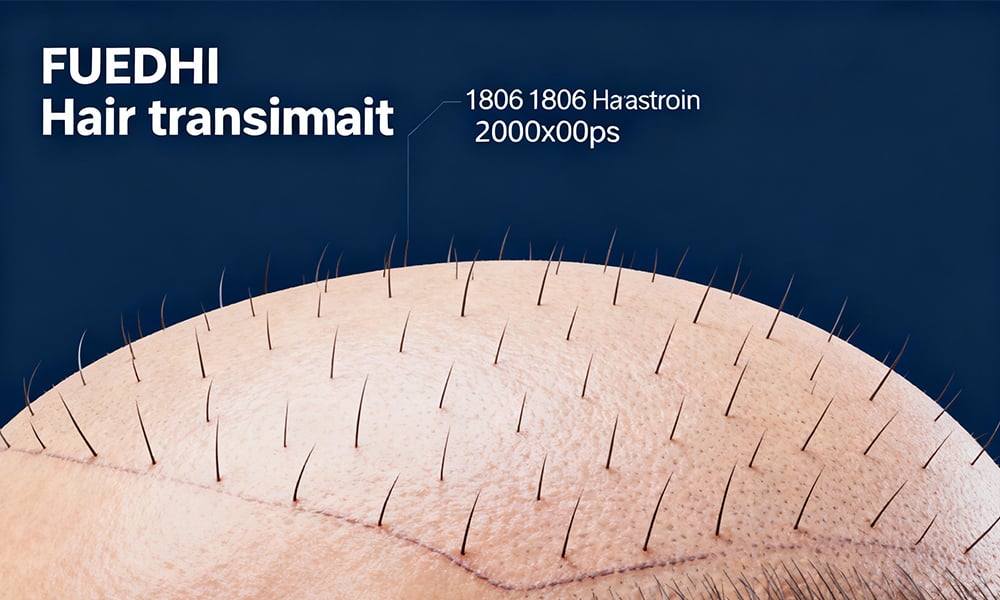
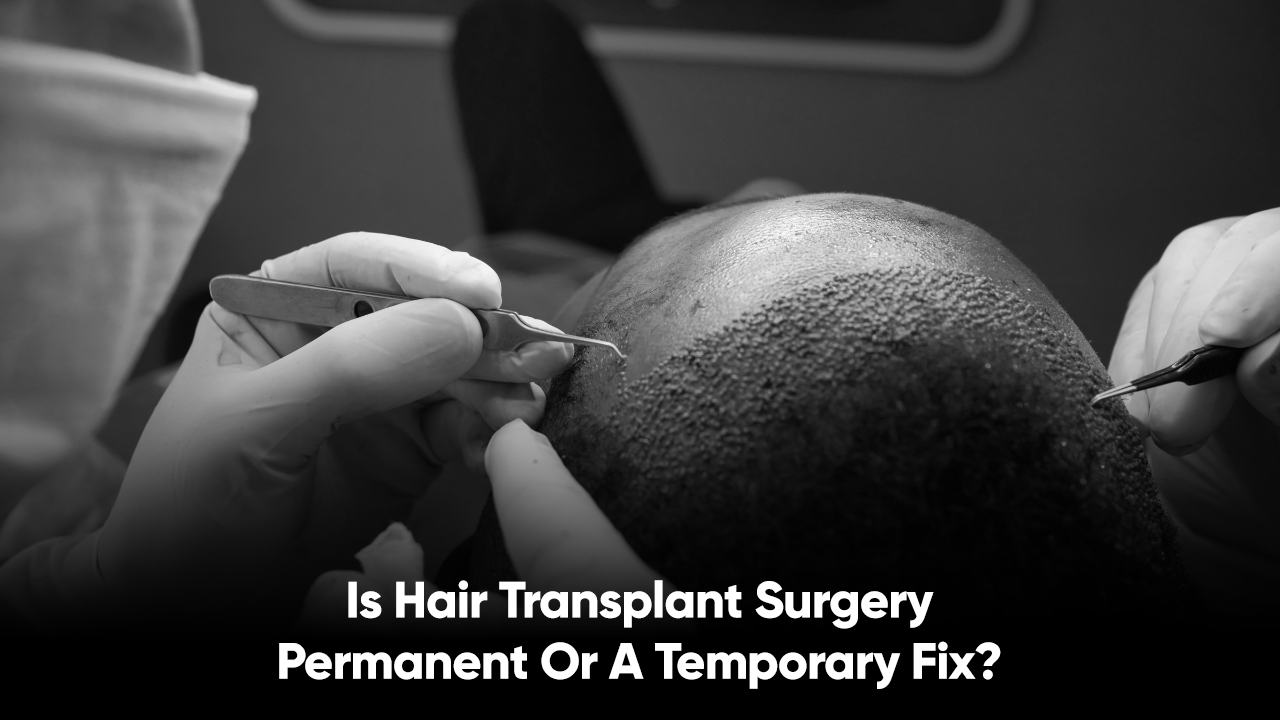
A hair transplant is a permanent, minimally invasive surgical procedure in which healthy hair follicles are harvested from the donor zone, typically the back and sides of the scalp, and implanted into areas experiencing thinning or complete hair loss. Because donor hair follicles in these regions are genetically resistant to dihydrotestosterone (DHT), the hormone responsible for pattern baldness, the transplanted follicles continue to grow naturally and permanently after the procedure.
In India, the procedure has evolved significantly over the last decade. Clinics in cities like Delhi, Mumbai, Bangalore, Hyderabad, and Chandigarh now operate with internationally comparable technology, certified surgeons, and structured post-operative care protocols. For patients travelling from abroad, India presents a compelling combination of world-class expertise and significantly lower costs than the United States, United Kingdom, or the UAE.
Ideal candidates are above 25 years of age, have a stable hair loss pattern, possess sufficient donor hair density, are in good general health without uncontrolled systemic conditions, and carry realistic expectations regarding achievable density and coverage. An in-person or digital scalp assessment by a certified trichologist is essential before any surgical plan is finalized.
Understanding the cost of a hair transplant in India requires looking beyond a single price figure. The total investment is shaped by the extent of hair loss, the technique used, the number of grafts required, the city of treatment, and critically, the expertise of the operating surgeon. This guide breaks down each of these variables so that patients can make an informed, confident decision.
- 15,000+ Procedures performed at leading Indian clinics annually
- 9-12 Months to see full permanent results
- 98% Graft survival rate with advanced QHT technique
- 5000+ Grafts possible in a single advanced session
What Determines the Cost of a Hair Transplant in India?
The price of a hair transplant in India is not a flat fee. It is a composite figure that reflects multiple clinical and operational variables. Before comparing clinic quotes, patients benefit from understanding what each variable means for their specific case.
-
Degree and Pattern of Baldness (Norwood Grade)
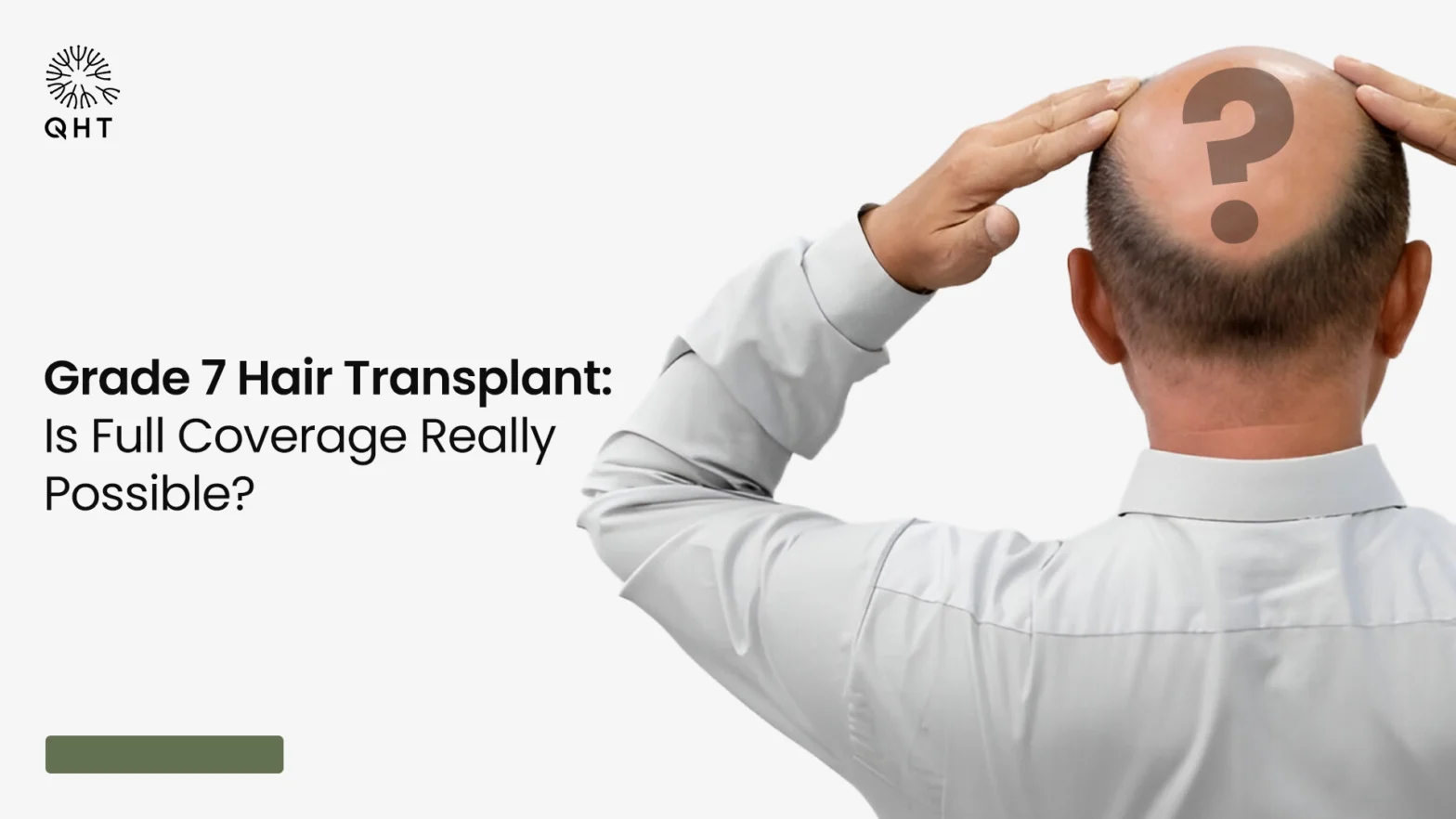
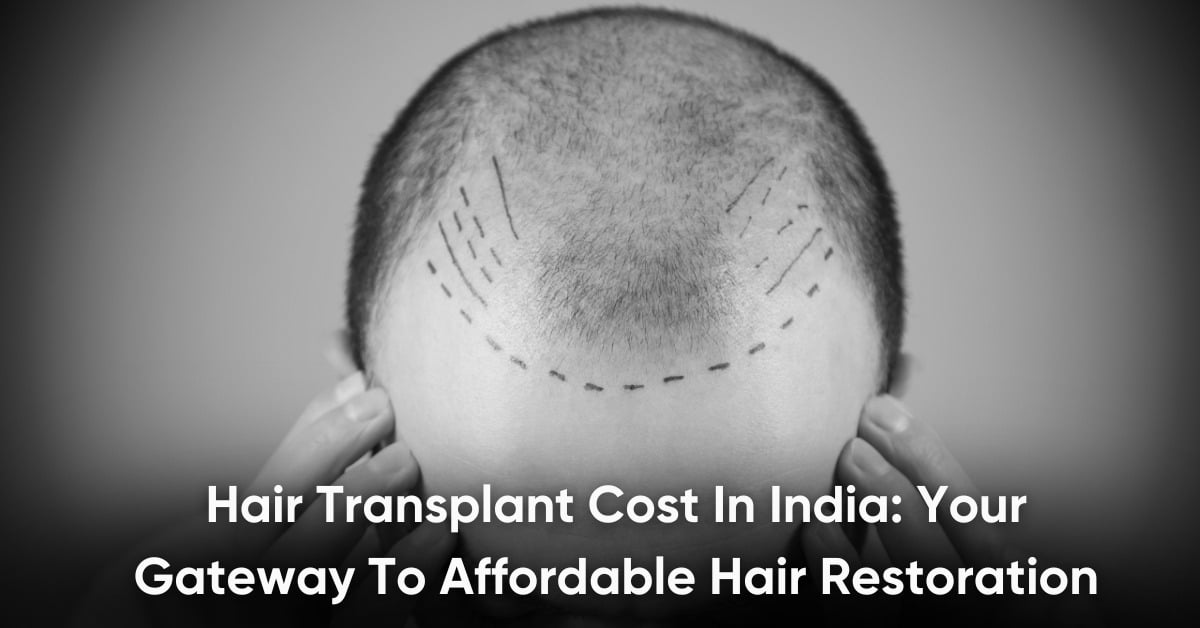
The Norwood-Hamilton scale classifies male pattern baldness from Grade 2 (minimal hairline recession) to Grade 7 (extensive baldness across the scalp crown and vertex). A higher Norwood grade means more area to cover, which directly increases the number of grafts required and the total cost of the procedure.
-
Number of Grafts Required
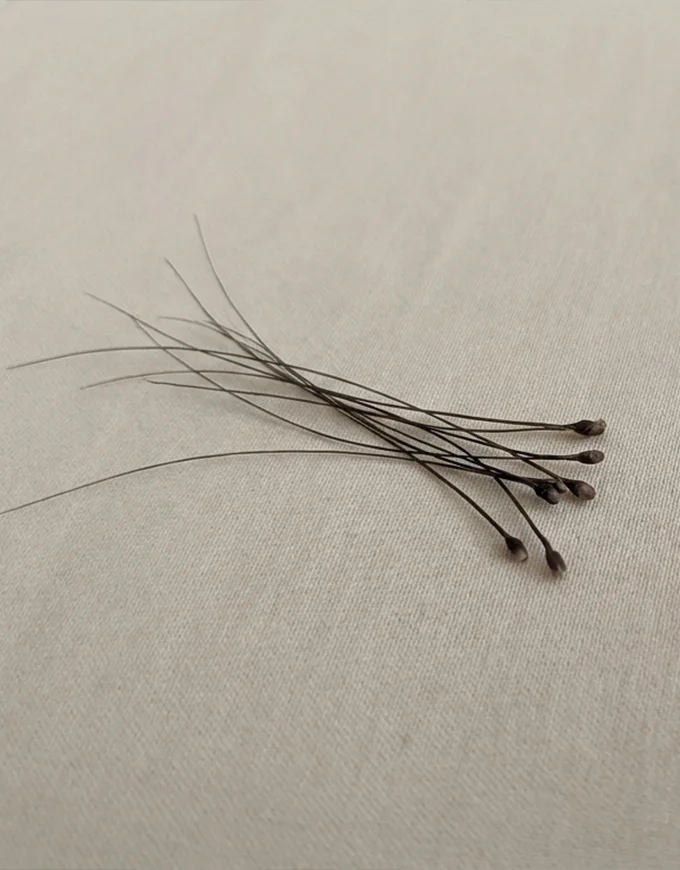
In India, most clinics price hair transplants on a per-graft basis or as a package tied to the Norwood grade. A graft contains one to four hair follicles. The number required varies from approximately 800 grafts for early hair loss to 5,000 or more for advanced baldness. Accurate graft estimates require a physical scalp assessment.
-
Technique Used: FUE, FUT, or QHT
The three primary techniques carry different price points. FUT, which involves strip harvesting, is generally the most affordable per graft but leaves a linear scar. FUE offers scarless individual follicle extraction and is priced moderately higher. QHT, an advanced proprietary technique combining simultaneous extraction and implantation, carries the highest cost but delivers superior graft survival rates and denser final results.
-
Surgeon’s Experience and Credentials
The qualifications and experience of the operating surgeon are among the strongest predictors of outcome quality and a significant factor in pricing. Clinics led by internationally trained, board-certified hair transplant surgeons typically charge a premium that reflects their expertise in hairline design, precise graft angulation, and donor zone management.
-
City and Clinic Infrastructure
Metropolitan cities like Mumbai and Bangalore generally have higher operational costs than Delhi, Jaipur, or Chandigarh, and this is reflected in their pricing. Clinics with dedicated operating theatres, US-FDA-approved equipment, digital scalp analysis systems, and structured post-operative care protocols naturally carry higher costs than smaller, basic setups.
-
Donor Hair Quality and Density
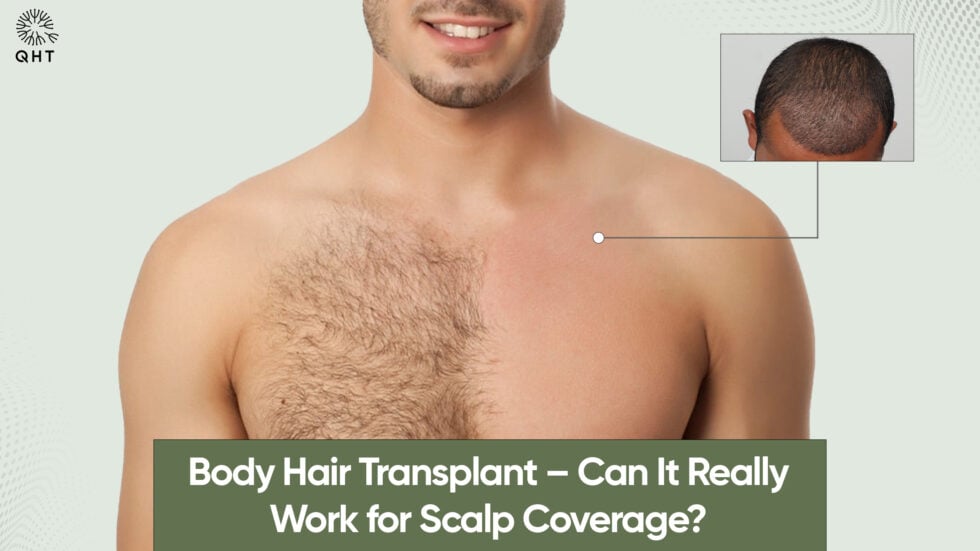
Patients with strong, dense donor hair in the occipital and temporal zones are well-suited for large single-session transplants. Those with limited scalp donor supply may require body hair augmentation using beard, chest, or back hair, which involves additional technical complexity and affects the overall cost.
-
Post-Operative Care and Follow-Up Structure
Reputable clinics bundle structured aftercare, including medications, follow-up visits, and adjunctive therapies such as PRP or low-level laser therapy, into their packages. This comprehensive care directly influences long-term graft survival and final density, making it a cost factor worth evaluating carefully.
In hair transplantation, the cost of a poor outcome invariably exceeds the savings from choosing the cheapest option. The true value of the procedure lies in the permanence, naturalness, and density of the final result.
Understanding FUE, FUT, and QHT: Which Technique Is Right for You?
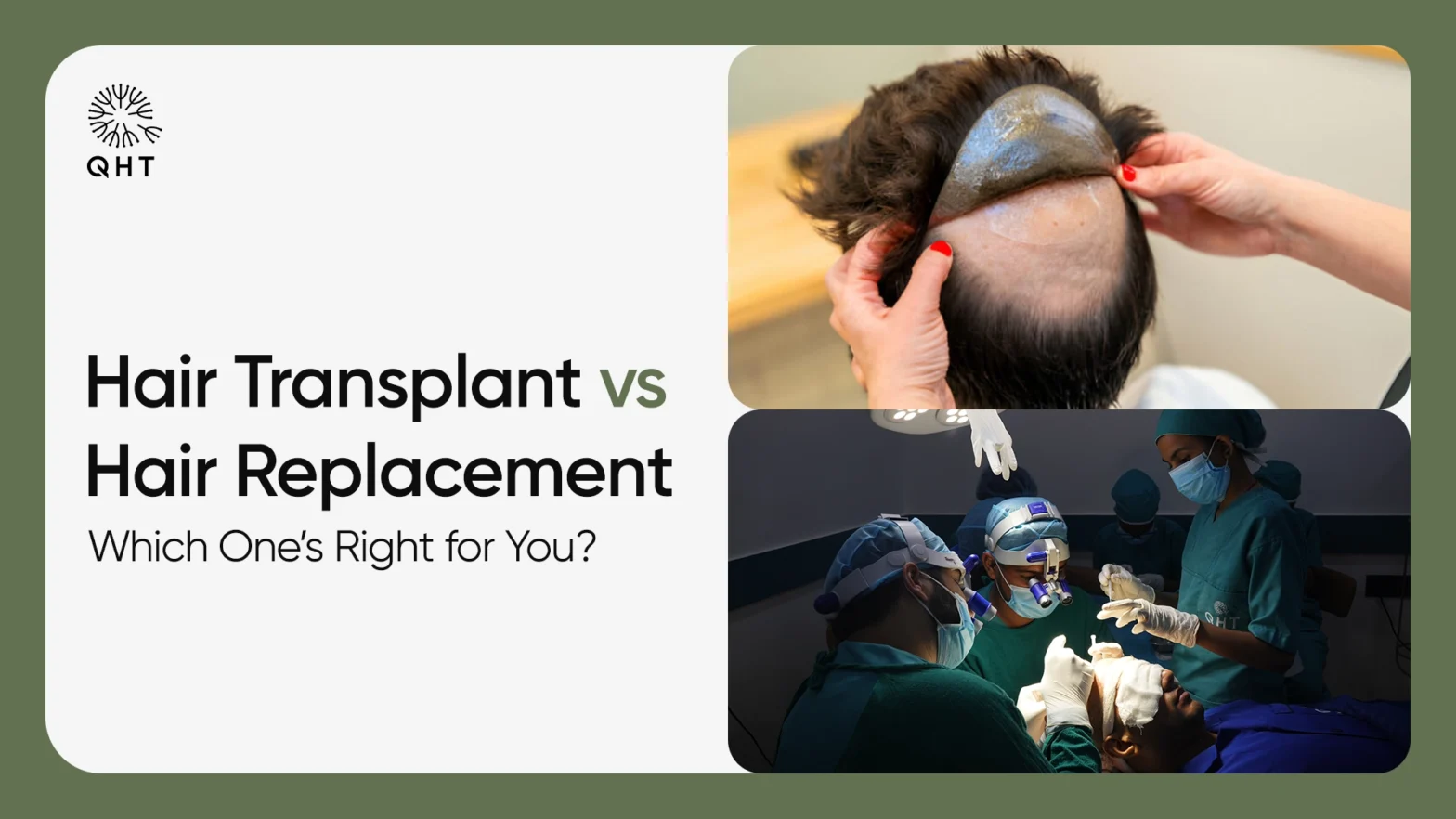
India’s leading hair restoration clinics offer three primary surgical techniques. Each has distinct advantages, limitations, and cost implications. Understanding the differences is essential before evaluating any price quote.
Rs. 50,000 onwards
Rs. 60,000 onwards
FUE: The Gold Standard for Most Patients
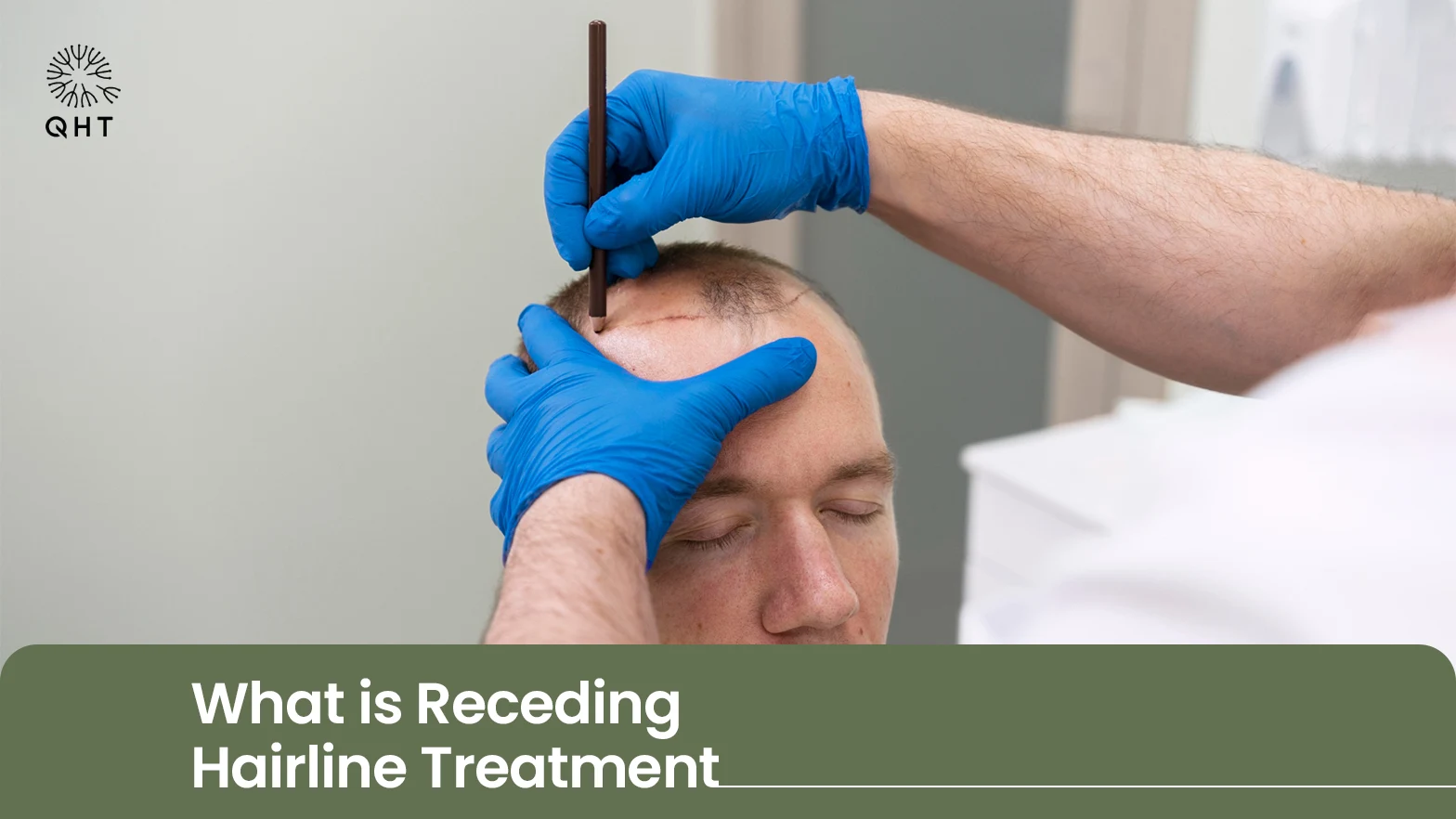
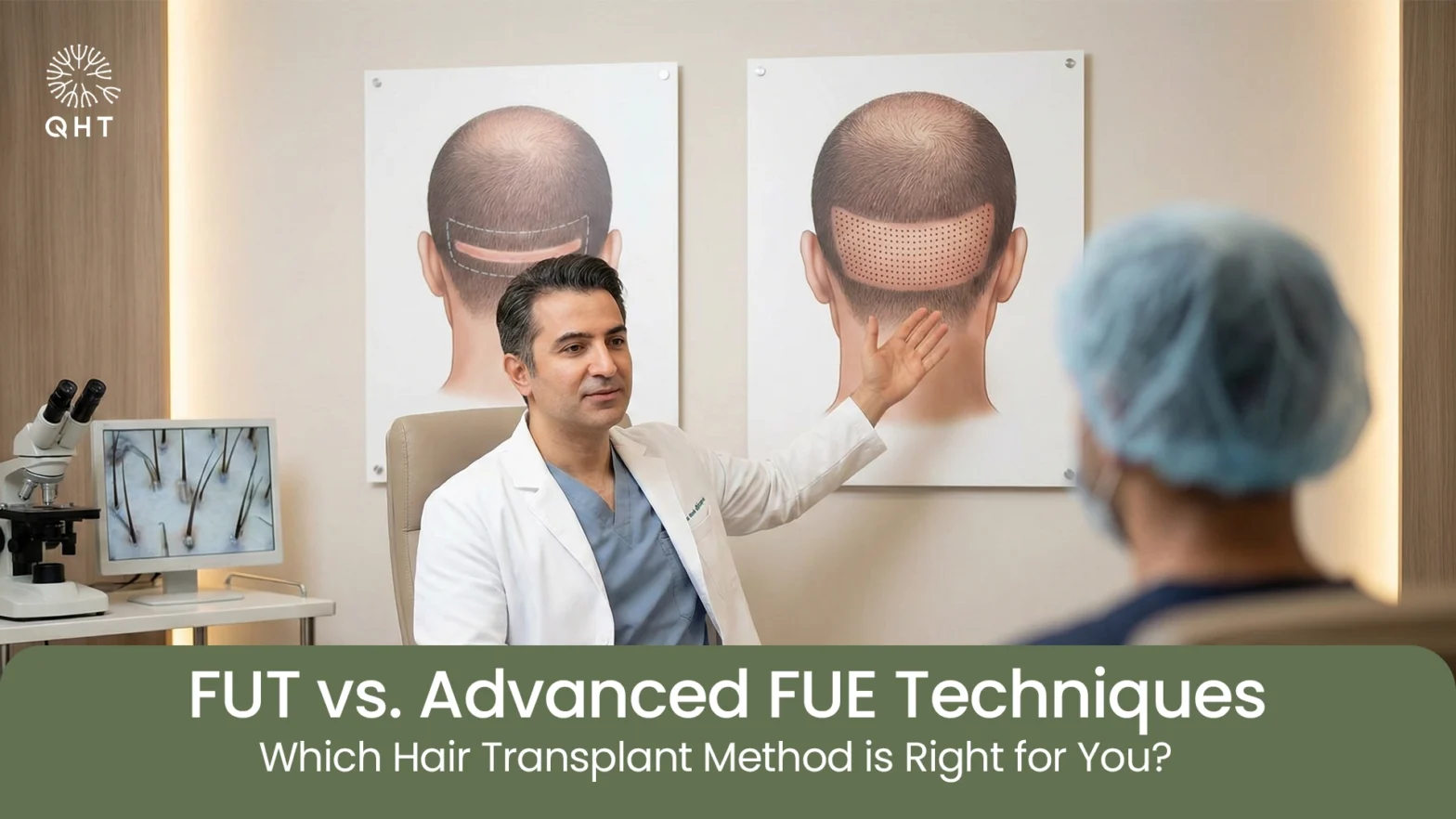
Follicular Unit Extraction remains the most widely performed hair transplant technique in India and globally. The procedure uses specialized micropunch instruments to extract individual follicular units from the donor scalp. These units are then prepared and implanted into the recipient area. Because each follicle is extracted individually, no strip of scalp is removed and no linear scar is left behind. Patients with shorter hairstyles, active lifestyles, or careers that require visible appearances typically prefer FUE for this reason.
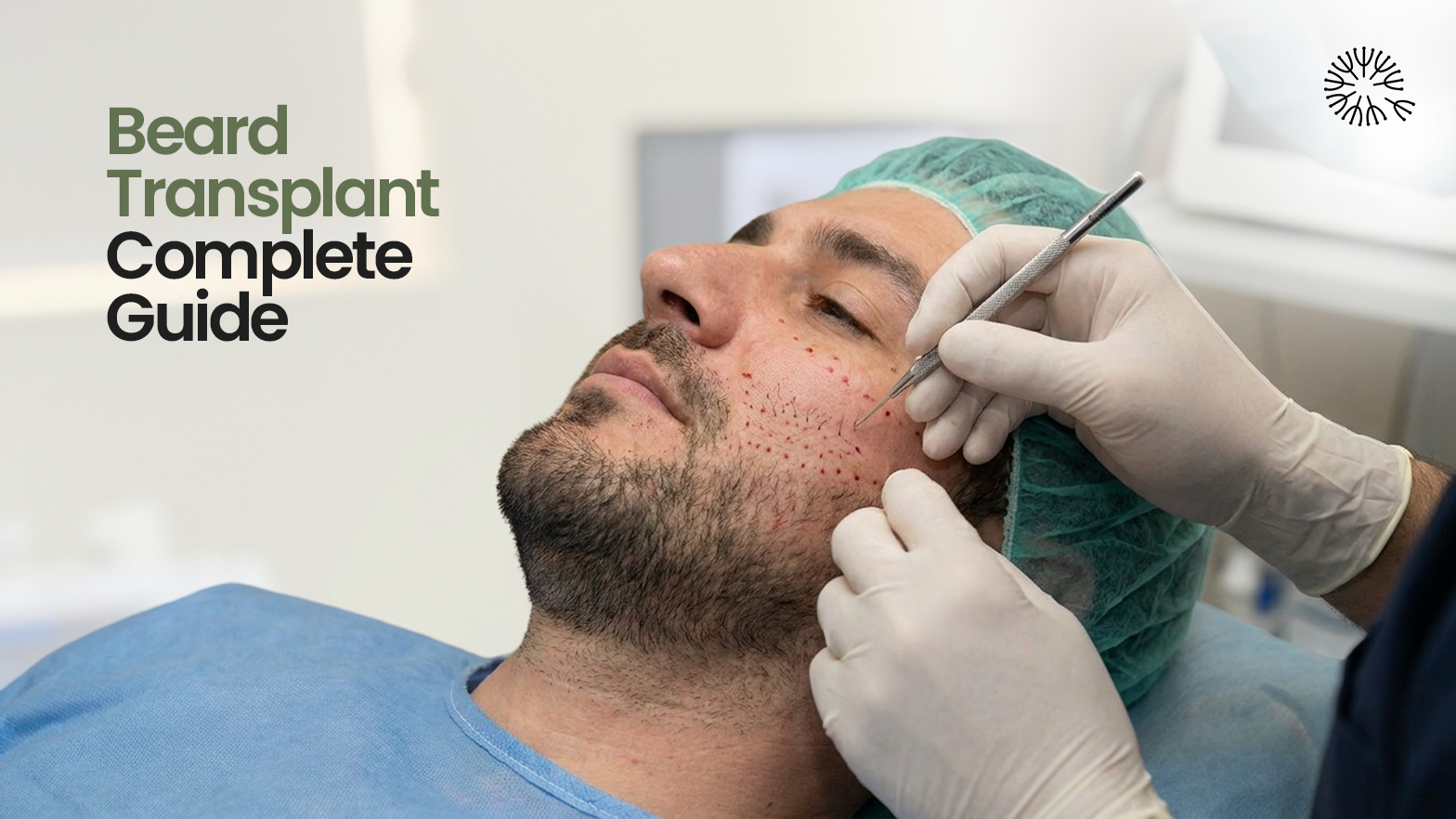
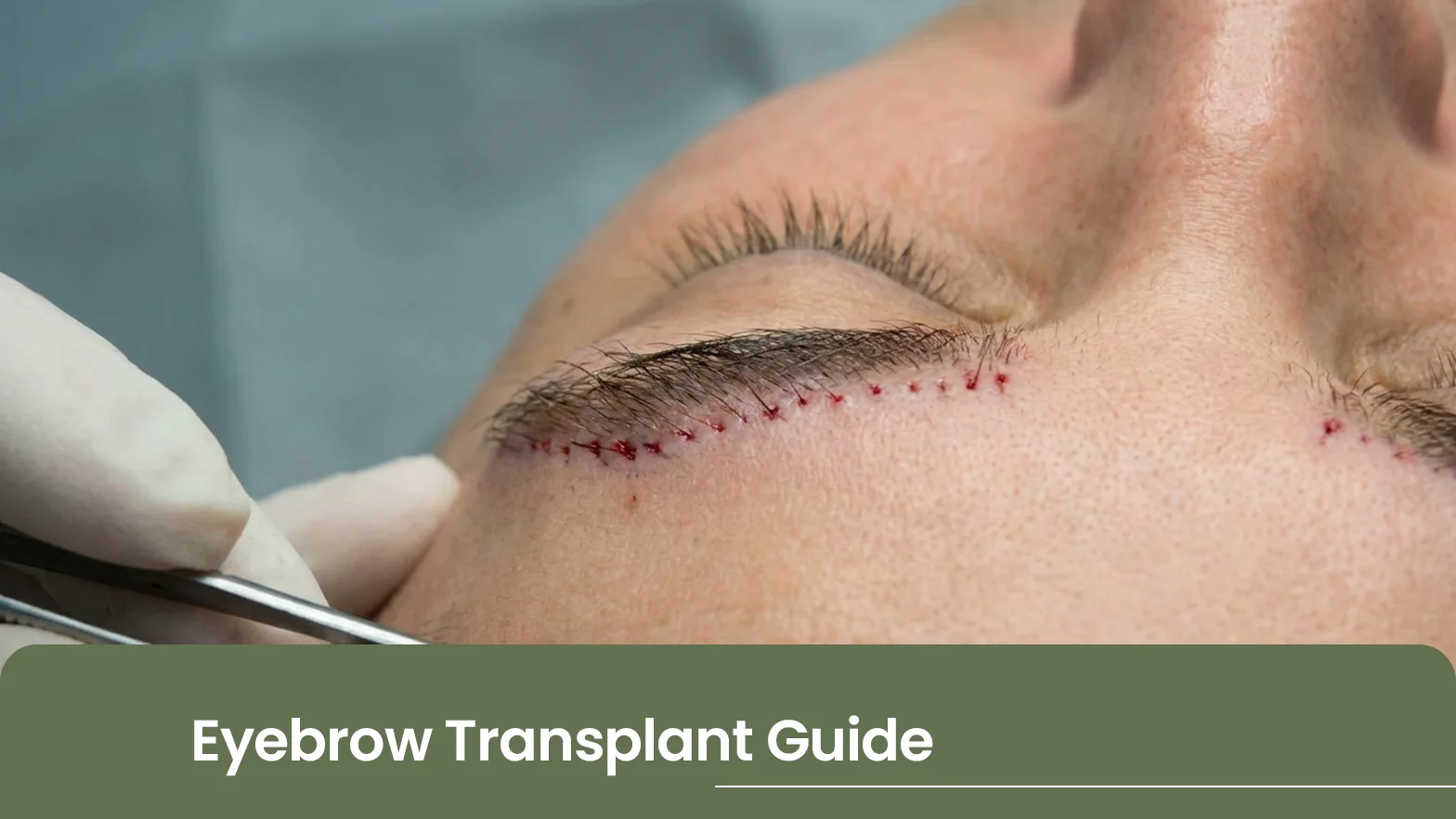
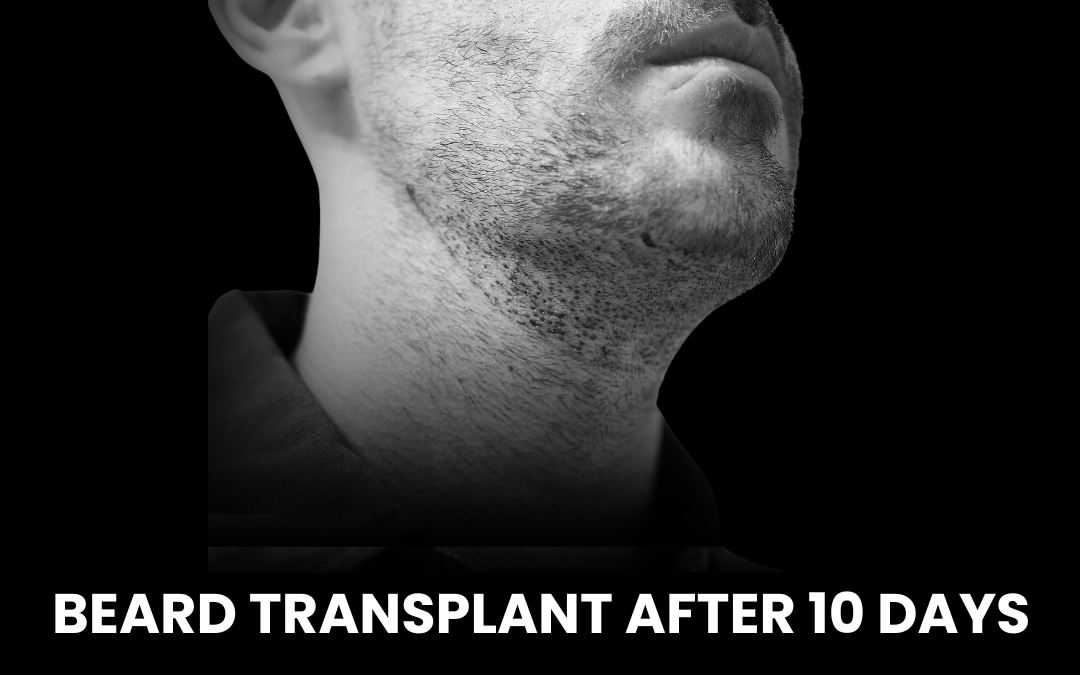
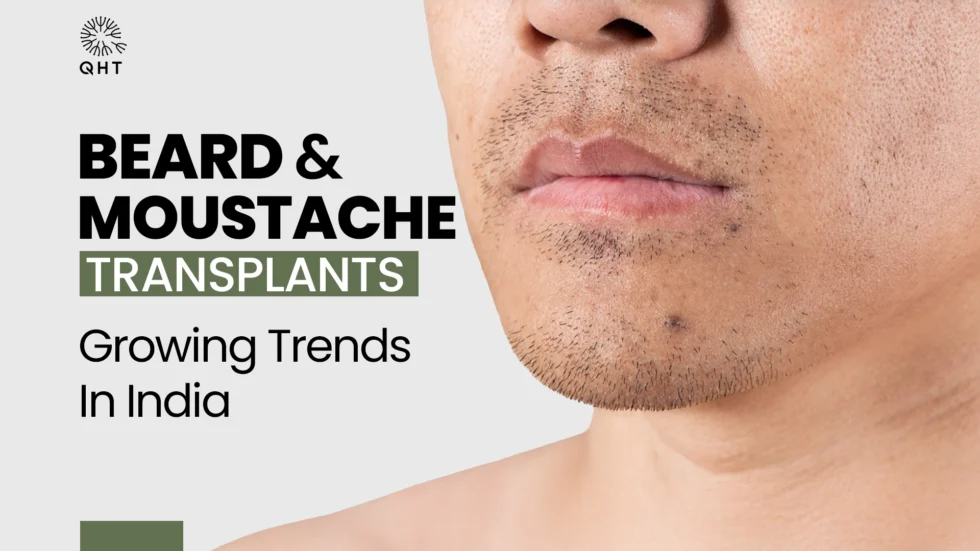
FUE is appropriate for most Norwood grades and is the technique of choice for beard, eyebrow, and moustache transplants as well. The primary limitation is session capacity; very large graft counts for advanced baldness may require two sessions.
FUT: Maximum Yield for Advanced Cases
Follicular Unit Transplantation involves the surgical removal of a horizontal strip of scalp tissue from the donor zone. Individual follicular units are then dissected from this strip under magnification and prepared for implantation. FUT produces the highest number of grafts in a single session, making it particularly suited for Norwood grade 5 to 7 patients who require large graft counts. It is also the most cost-effective technique on a per-graft basis. The trade-off is a linear scar at the donor site, which remains concealed under hair of normal length.
QHT: The Advanced Option for Superior Results
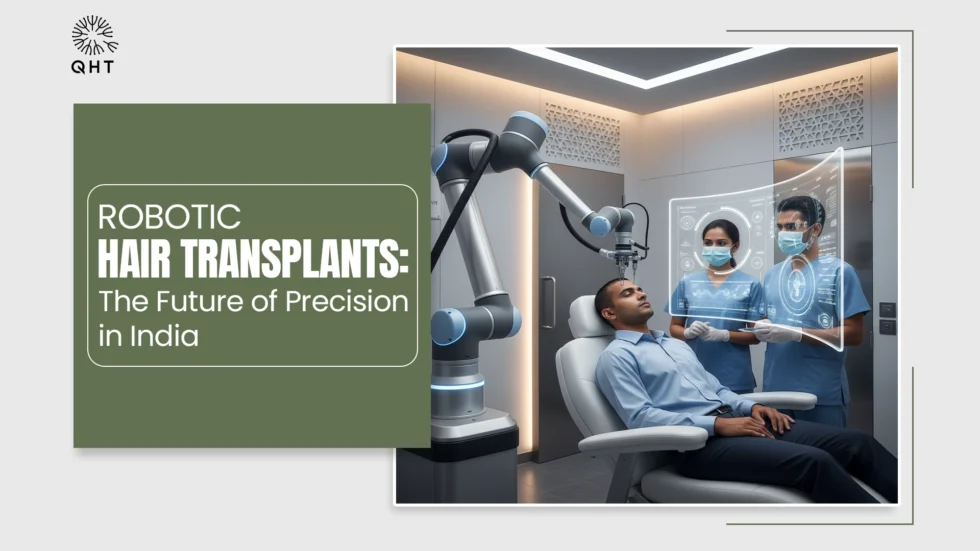
The QHT technique is a proprietary, patented advancement of standard FUE developed for maximizing graft survival and density. The defining feature of QHT is simultaneous extraction and implantation: follicles are harvested and placed into the recipient area concurrently, rather than storing extracted grafts in a holding solution before implantation. This process reduces graft out-of-body time to under two hours, compared to several hours in conventional FUE, which significantly improves follicle viability and survival rates. The technique uses a specialized implanter pen for precise angulation and direction control, producing results that closely replicate the natural hair growth pattern. Patients seeking the densest, most natural-looking outcome with the fastest recovery will find QHT Clinic to offer the most compelling long-term value despite its higher upfront cost.
Patients are advised to confirm that all surgical stages of their procedure will be performed or directly supervised by a qualified, licensed hair transplant surgeon. Clinics that delegate extraction and implantation to unlicensed technicians introduce significant variability in outcomes and increase the risk of complications requiring corrective surgery.
Hair Transplant Cost by Norwood Grade: India 2026
The Norwood scale remains the primary clinical framework for classifying male pattern baldness. Each grade corresponds to a different extent of hair loss, a different graft requirement, and therefore a different cost range. The tables below reflect pricing data from leading clinics in Delhi and are broadly representative of the national pricing structure for each technique.
FUE Hair Transplant Cost by Norwood Grade (Delhi, 2026)
| Norwood Grade | Grafts Required | FUE Cost (INR) |
|---|---|---|
| Norwood 2 | 800 to 1,200 | Rs. 40,000 to Rs. 65,000 |
| Norwood 3 | 1,200 to 1,800 | Rs. 55,000 to Rs. 80,000 |
| Norwood 4 | 1,800 to 2,500 | Rs. 75,000 to Rs. 1,20,000 |
| Norwood 5 | 2,500 to 3,200 | Rs. 1,00,000 to Rs. 1,60,000 |
| Norwood 6 | 3,200 to 4,000 | Rs. 1,40,000 to Rs. 2,00,000 |
| Norwood 7 | 4,000 to 5,000+ | Rs. 1,80,000 to Rs. 2,50,000+ |
FUT Hair Transplant Cost by Norwood Grade (Delhi, 2026)
| Norwood Grade | Grafts Required | FUT Cost (INR) |
|---|---|---|
| Norwood 2 | 800 to 1,200 | Rs. 50,000 to Rs. 75,000 |
| Norwood 3 | 1,200 to 1,800 | Rs. 70,000 to Rs. 95,000 |
| Norwood 4 | 1,800 to 2,500 | Rs. 90,000 to Rs. 1,40,000 |
| Norwood 5 | 2,500 to 3,200 | Rs. 1,20,000 to Rs. 1,80,000 |
| Norwood 6 | 3,200 to 4,000 | Rs. 1,50,000 to Rs. 2,20,000 |
| Norwood 7 | 4,000 to 5,000+ | Rs. 2,00,000 to Rs. 2,80,000+ |
QHT Advanced Hair Transplant Cost by Norwood Grade (Delhi, 2026)
| Norwood Grade | Grafts Required | QHT Cost (INR) |
|---|---|---|
| Norwood 2 | 800 to 1,200 | Rs. 60,000 to Rs. 85,000 |
| Norwood 3 | 1,200 to 1,800 | Rs. 80,000 to Rs. 1,10,000 |
| Norwood 4 | 1,800 to 2,500 | Rs. 1,20,000 to Rs. 1,70,000 |
| Norwood 5 | 2,500 to 3,200 | Rs. 1,60,000 to Rs. 2,30,000 |
| Norwood 6 | 3,200 to 4,000 | Rs. 2,00,000 to Rs. 2,70,000 |
| Norwood 7 | 4,000 to 5,000+ | Rs. 2,50,000 to Rs. 3,20,000+ |
The graft counts listed above are representative ranges based on average scalp coverage requirements per Norwood grade. Actual graft requirements vary depending on the individual’s scalp laxity, donor density, hair caliber, desired coverage area, and target aesthetic. An accurate count is only possible following a detailed, in-person scalp assessment with digital trichoscopy.
Hair Transplant Recovery Timeline: What to Expect After Surgery
Recovery from a hair transplant is gradual, progressive, and, for the vast majority of patients who follow post-operative instructions carefully, straightforward. Setting accurate expectations about the recovery timeline is important for patient satisfaction.
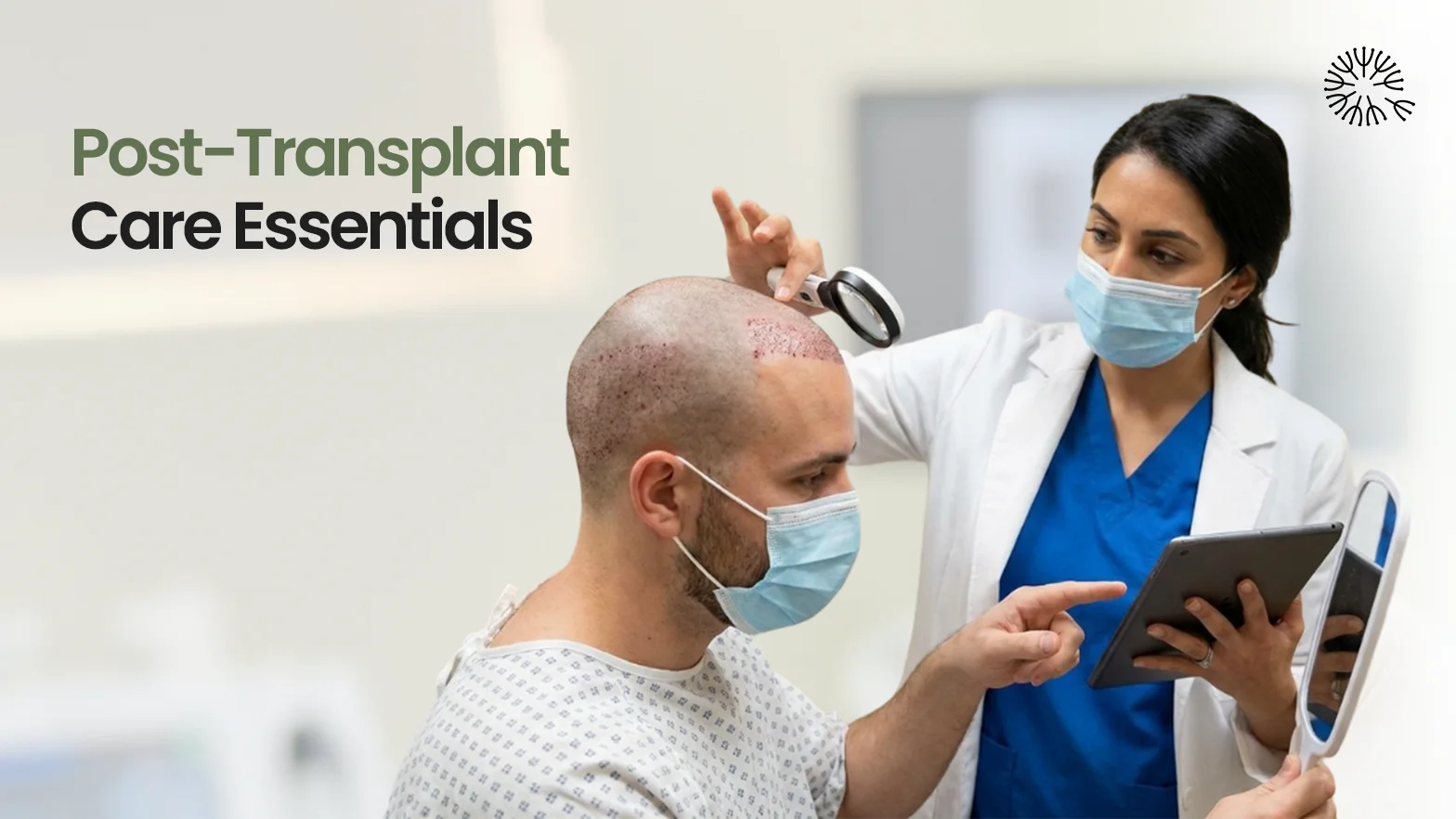
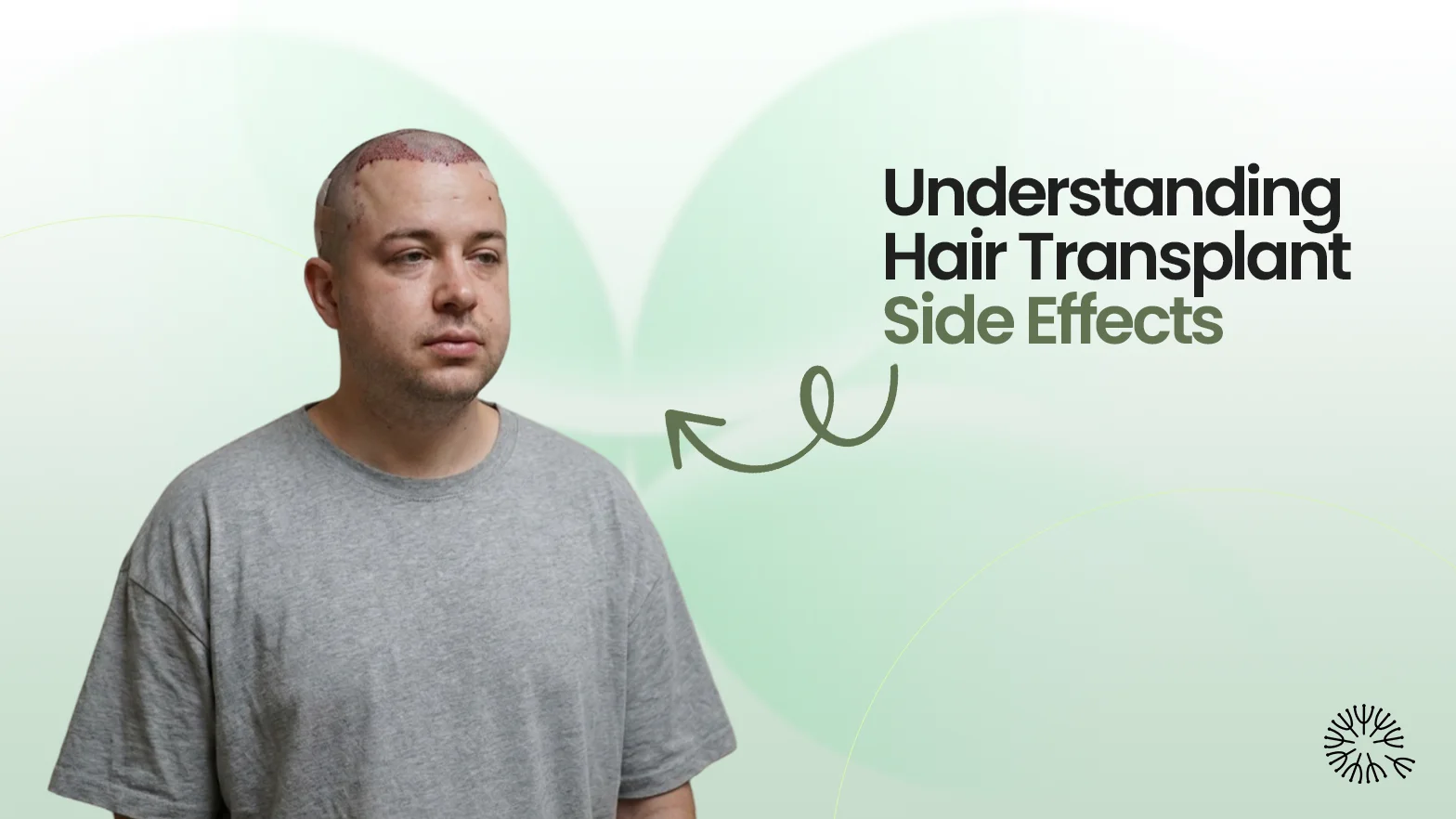
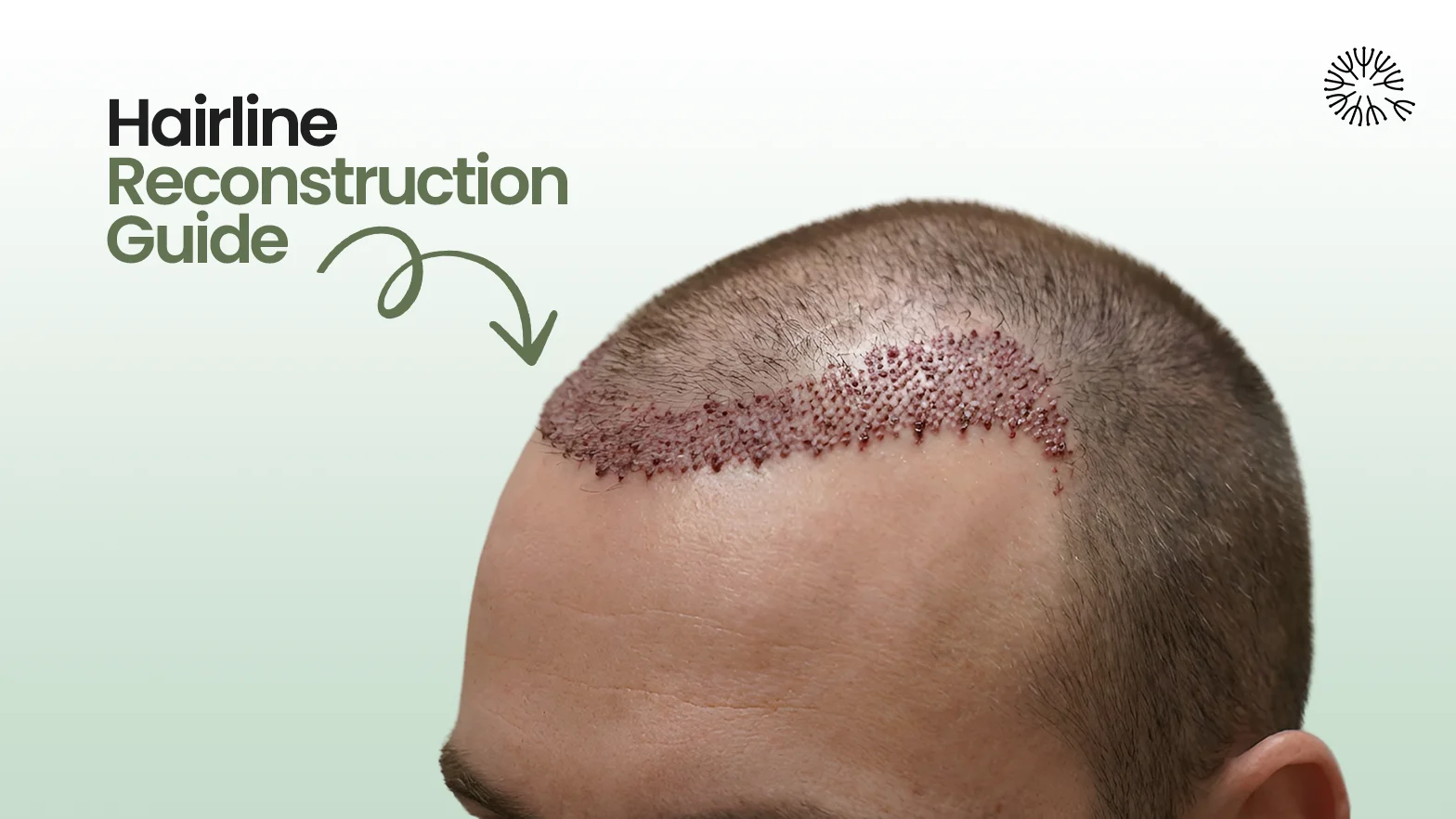
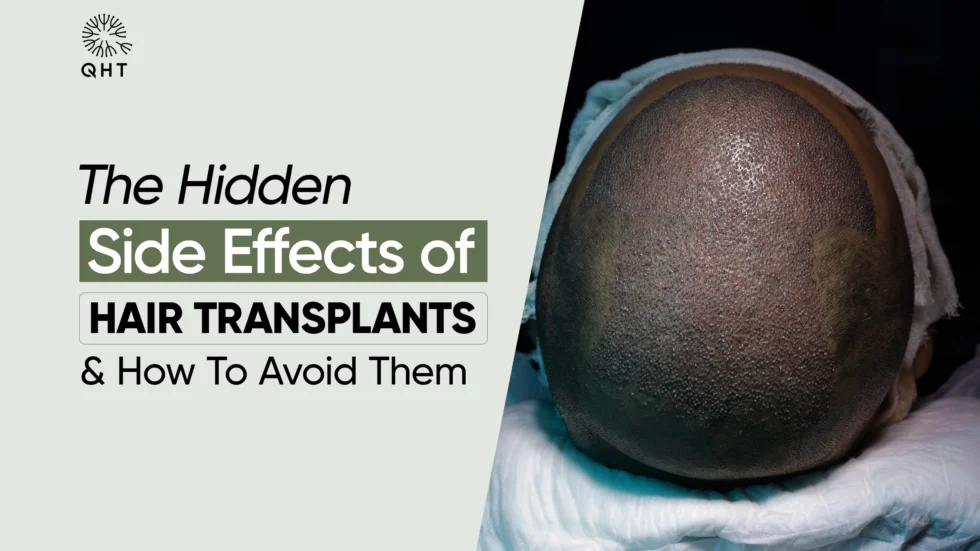
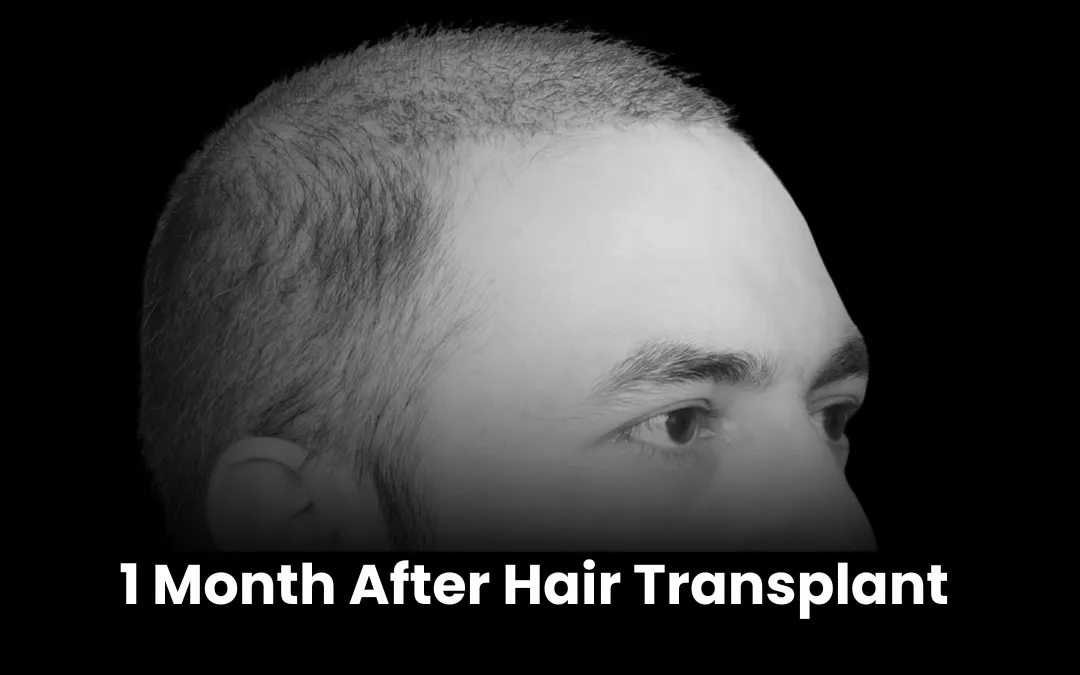
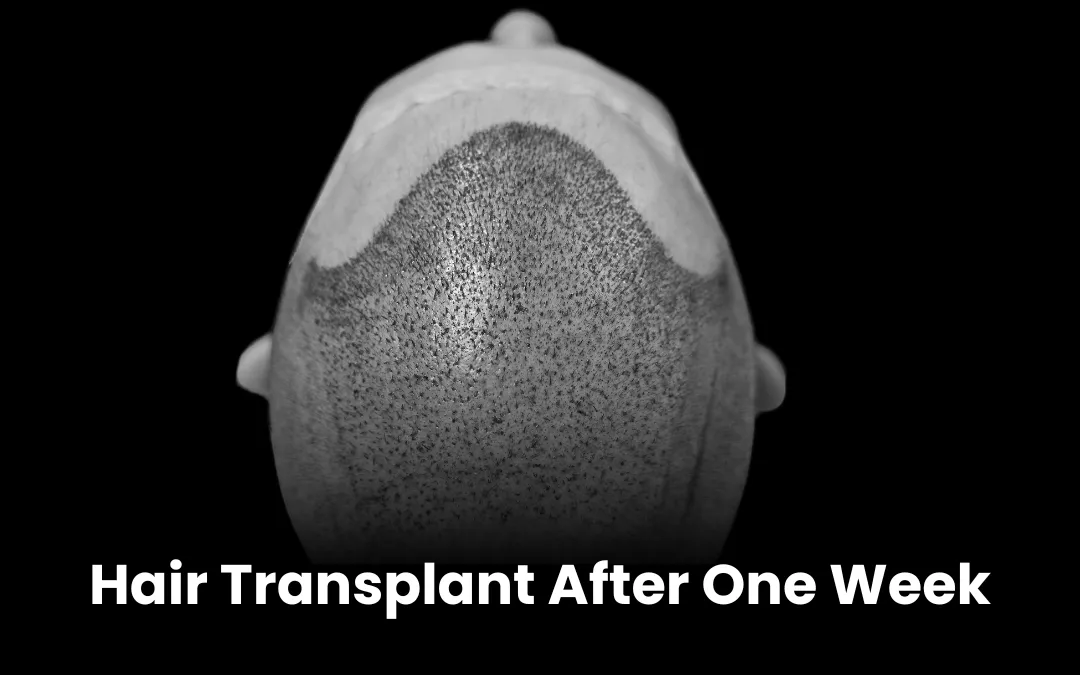
Mild redness and scabbing at the donor and recipient sites are normal and expected. Prescribed medications manage any discomfort, which most patients describe as minimal. Patients are advised to avoid direct sunlight, strenuous activity, and any contact with the transplanted area. Most patients can return to desk-based work within three to five days.
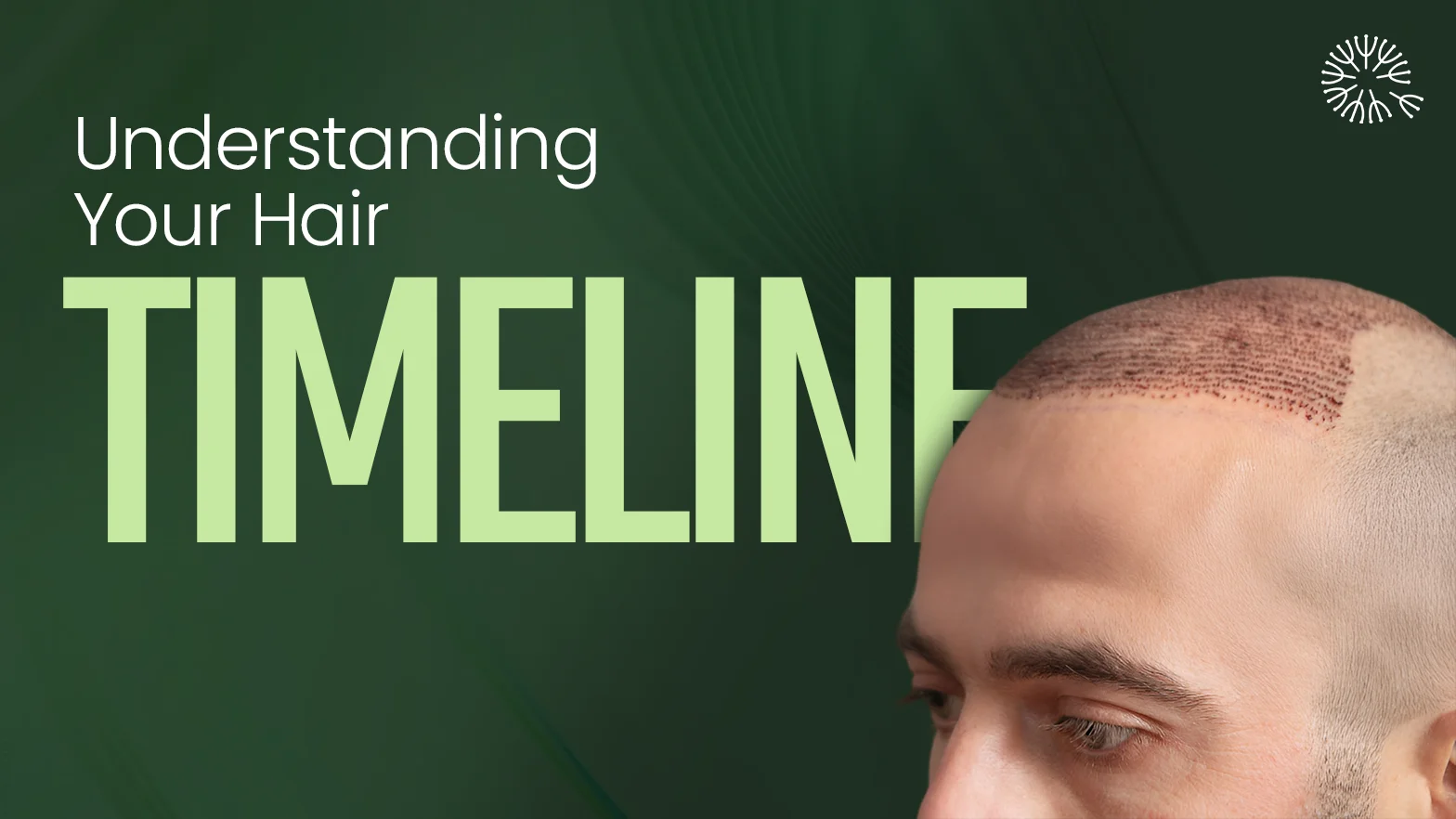
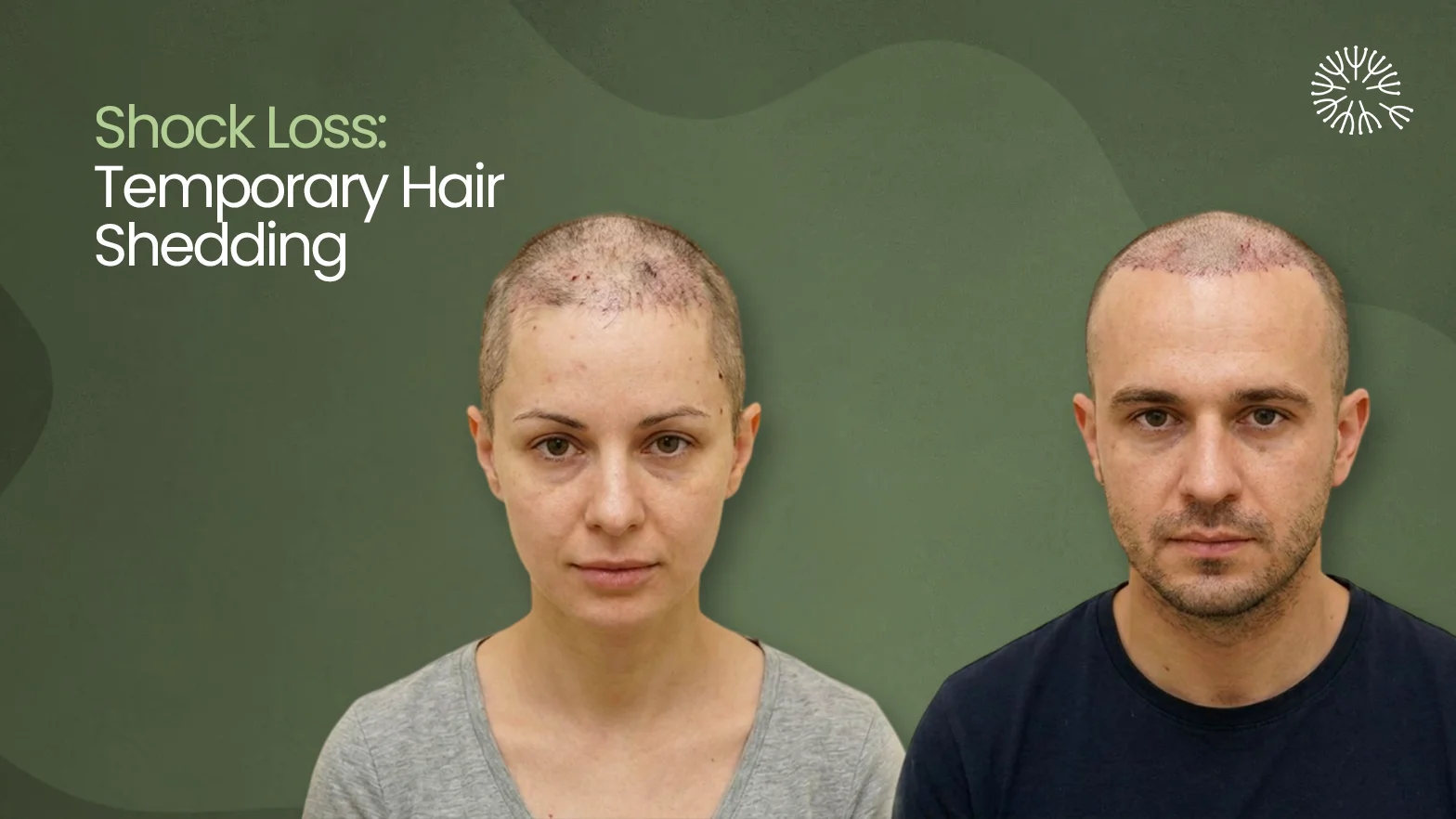
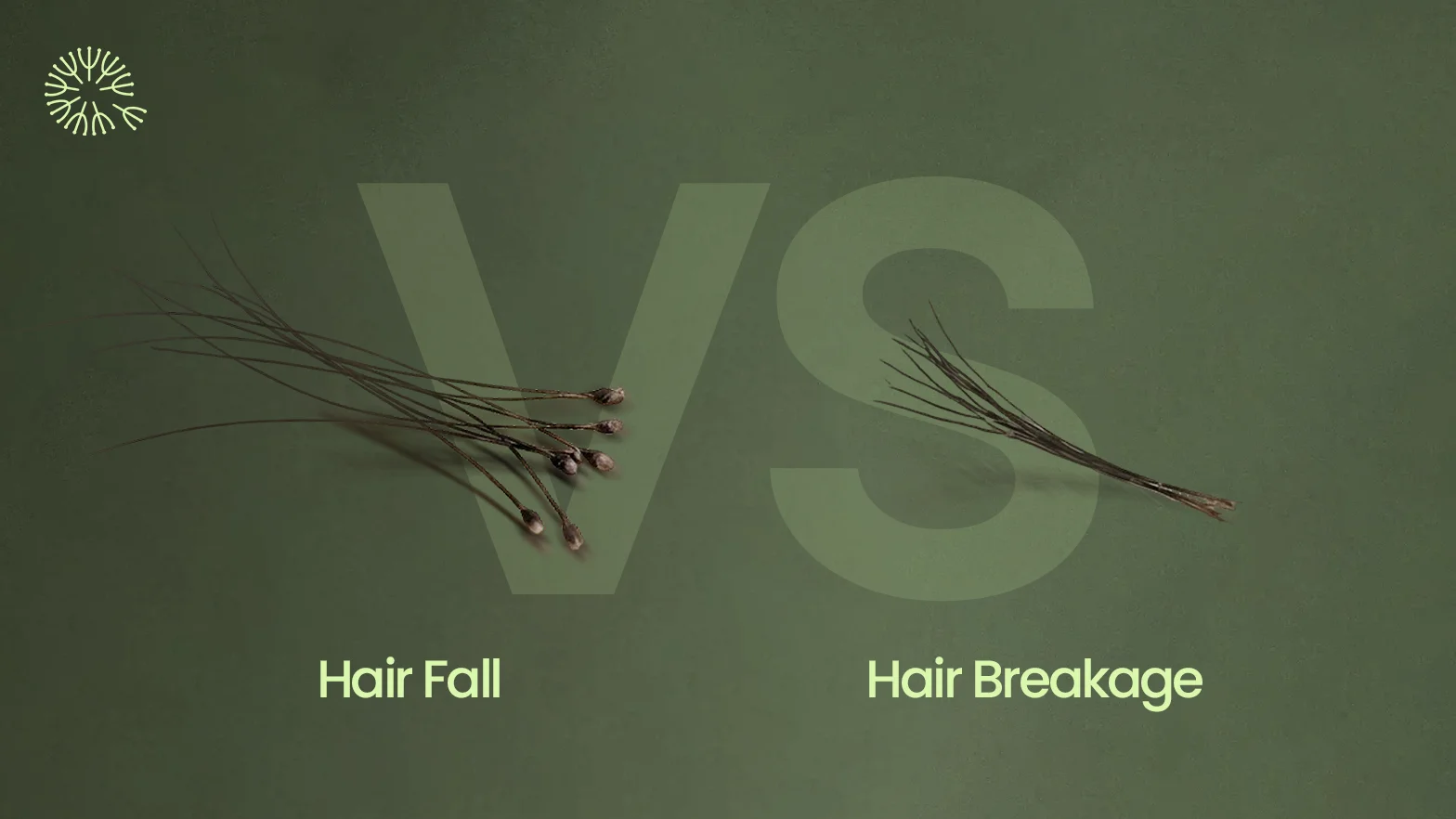
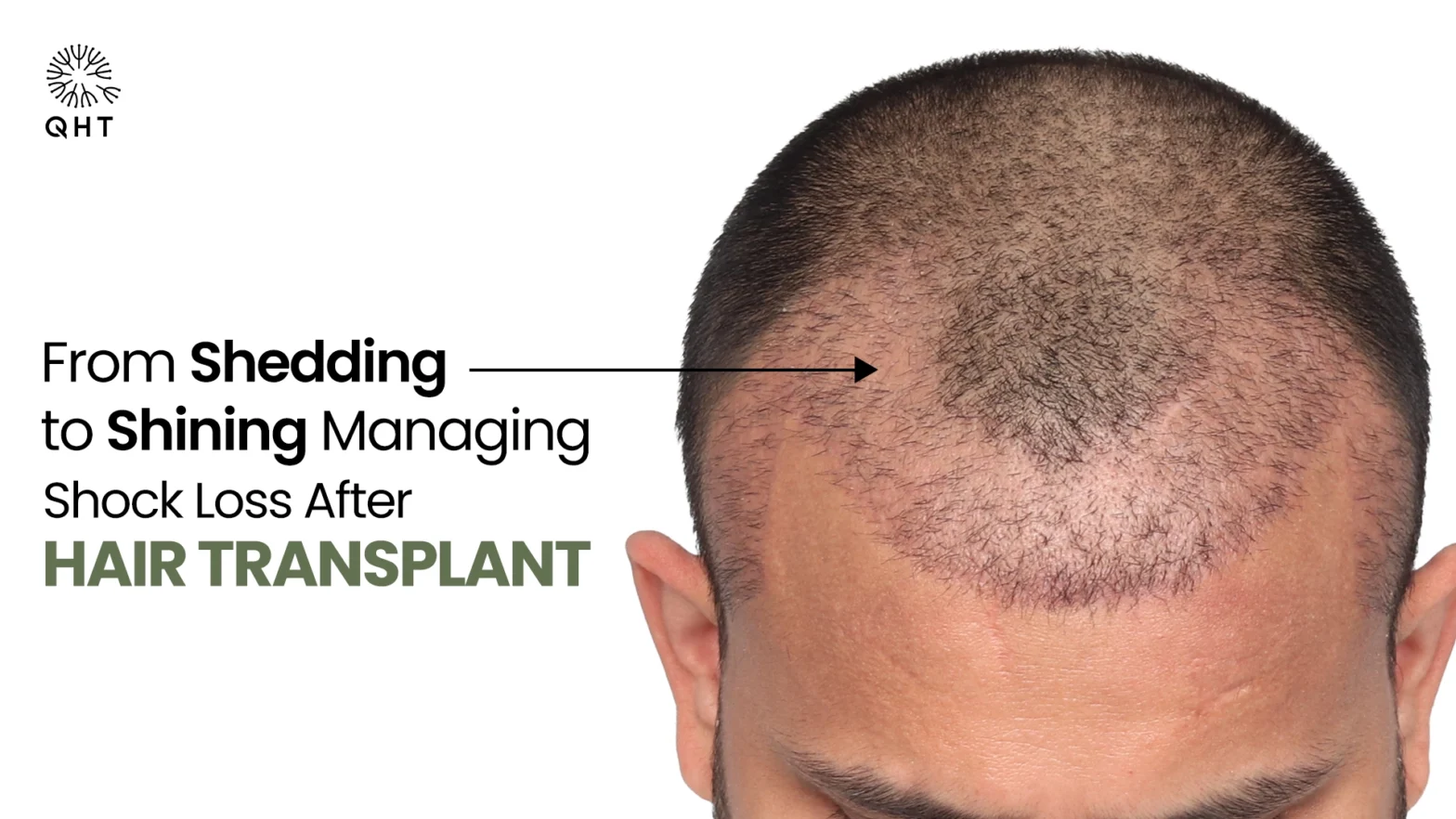
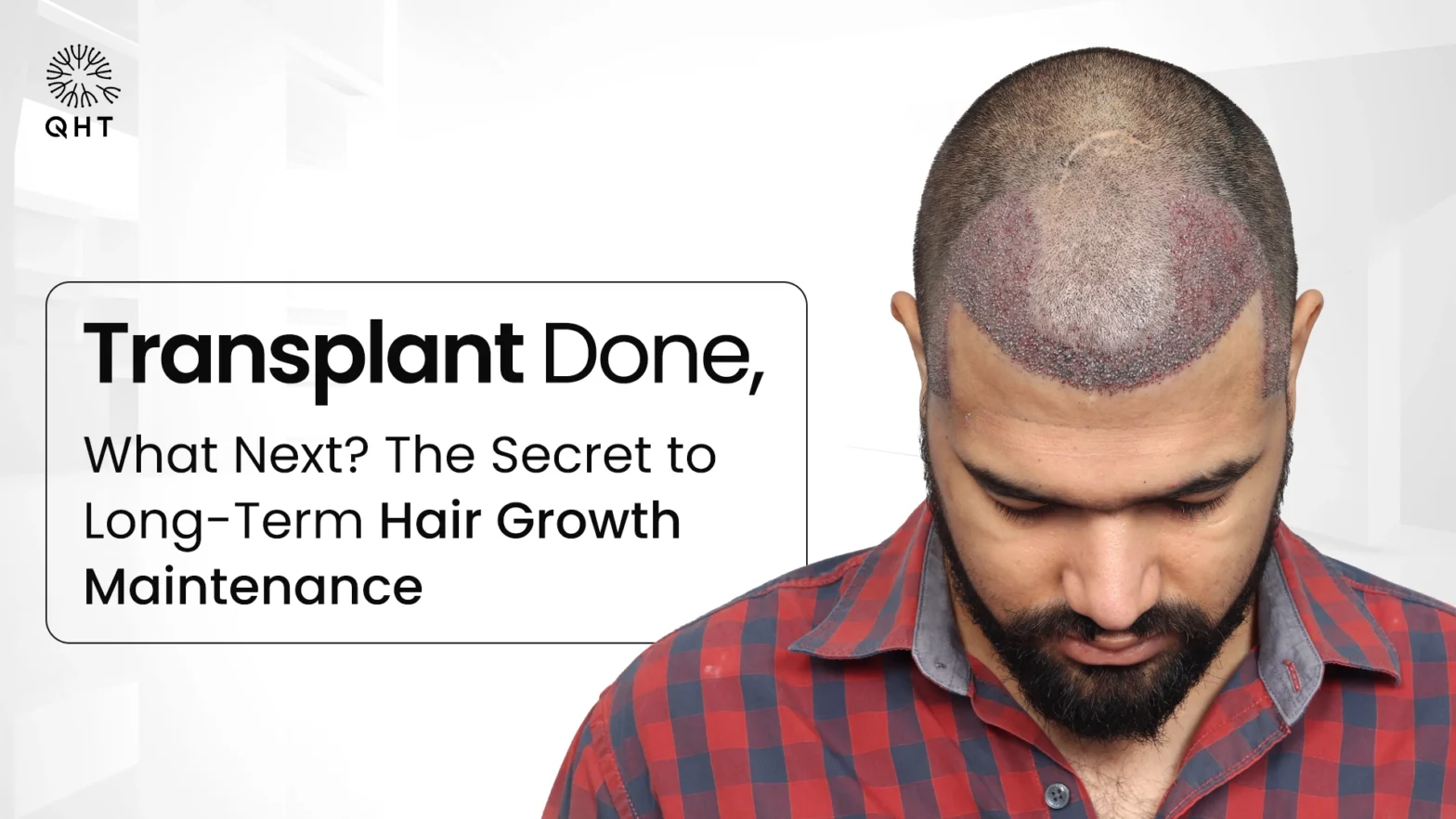
Transplanted hair enters a temporary shedding phase called shock loss, during which the implanted follicles shed their hair shafts. This is a normal, expected part of the hair growth cycle and is not a sign of graft failure. The follicles themselves remain intact beneath the scalp and will begin producing new hair in subsequent months.
Fine, new hair shafts begin to emerge from the transplanted follicles. Growth at this stage is typically fine in texture and lighter in color. This is an encouraging sign that the follicles have integrated successfully and that the restoration process is underway.
Coverage becomes visibly noticeable. The new hair thickens and darkens, approaching the texture and color of the patient’s natural hair. Most patients are comfortable with their appearance at this stage, with continued improvement expected over the following months.
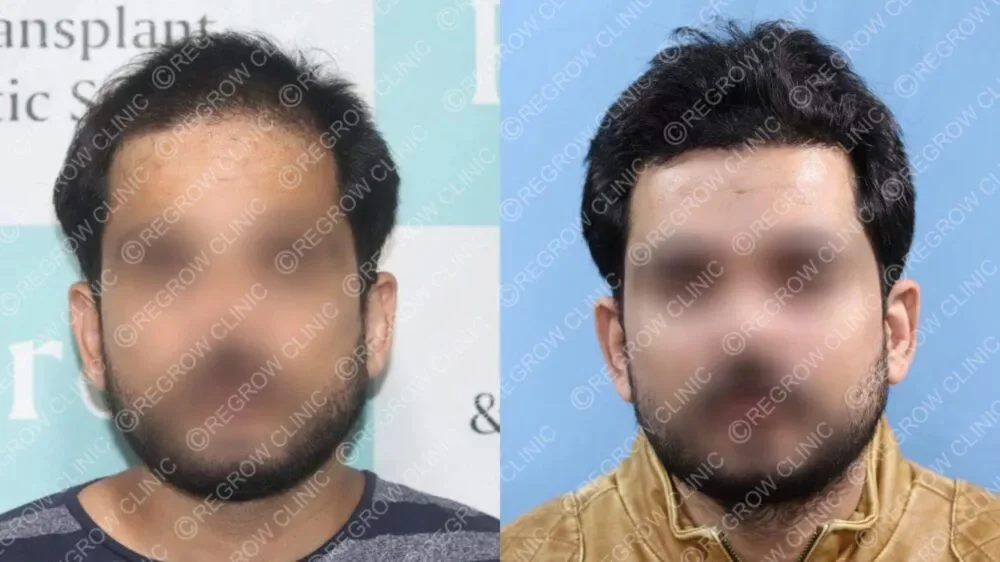
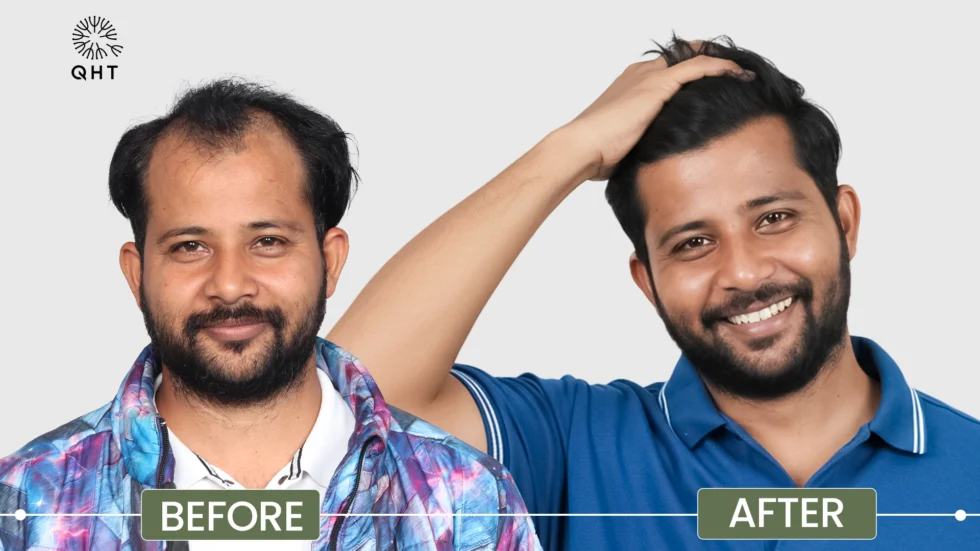
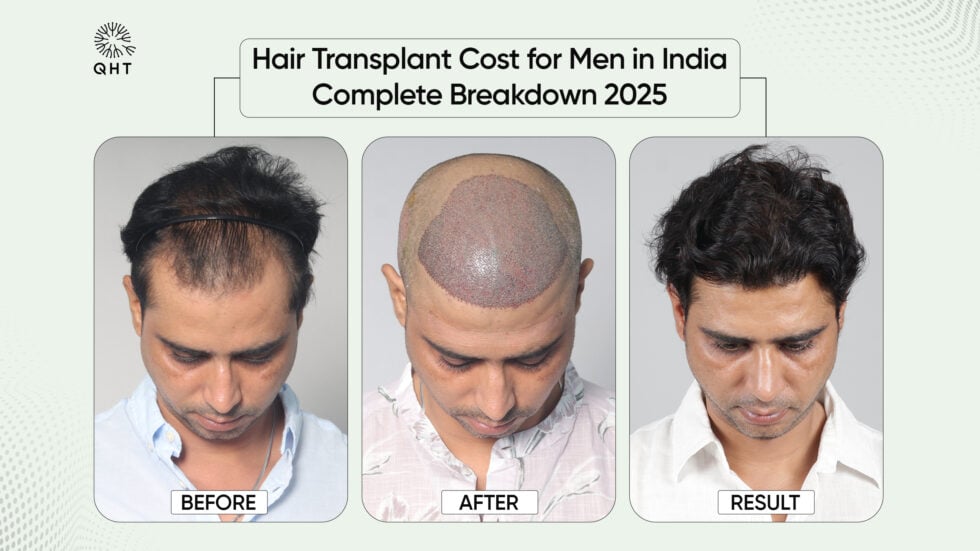
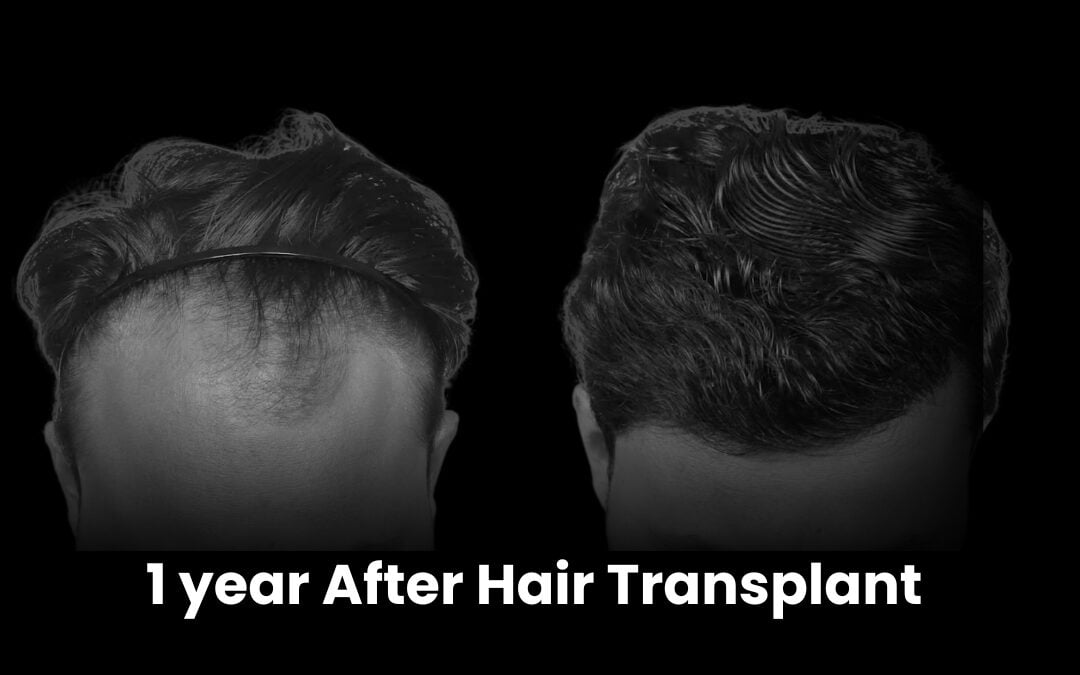
Permanent density and full coverage are visible by this stage. The transplanted hair blends seamlessly with existing natural hair, and the hairline appears natural and undetectable. The results are permanent, and the transplanted hair does not require medication to maintain.
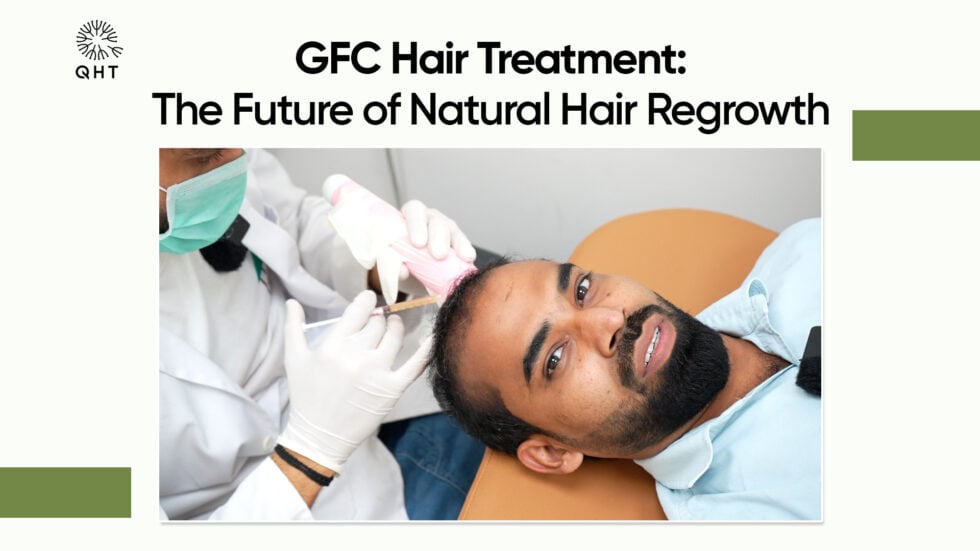
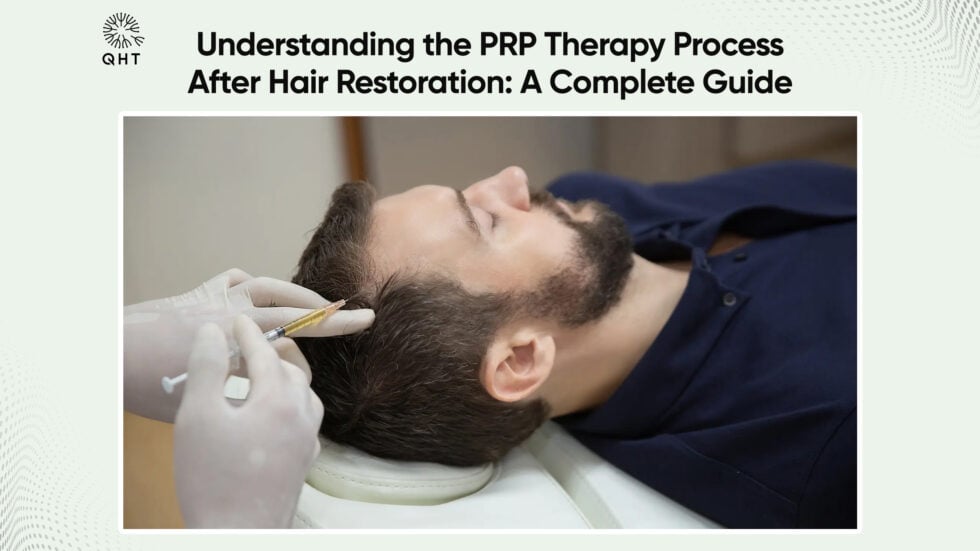
Some clinics recommend adjunctive treatments during the growth phase, including platelet-rich plasma therapy, minoxidil, finasteride, or low-level laser therapy, to support the survival of existing hair and accelerate new growth. These recommendations should be discussed at the consultation stage and factored into the overall treatment plan.
How to Choose the Right Hair Transplant Clinic in India
The quality of a hair transplant outcome is determined far more by the clinic and surgeon you choose than by the technique alone. In a market where pricing ranges widely and clinic quality is uneven, a structured evaluation framework protects patients from costly errors.
Surgeon Credentials and Surgical Involvement
The most important factor in clinic selection is confirming that a qualified, licensed surgeon personally leads every stage of the procedure. This includes the hairline design, graft extraction, and implantation. Clinics that delegate these steps to unlicensed technicians or paramedical staff consistently produce inferior outcomes and are disproportionately represented in patients seeking corrective procedures. Before booking, ask specifically who will perform each stage and verify their qualifications.
Transparent, All-Inclusive Pricing
A reputable clinic provides a written, itemized quote that covers the complete cost of the procedure, including anaesthesia, post-operative medication, follow-up visits, and any bundled adjunctive treatments. Be cautious of clinics that quote unusually low per-graft prices or charge separately for elements that should be standard inclusions. Hidden charges introduced after consultation or surgery are a consistent complaint associated with lower-quality providers.
Infrastructure and Safety Standards
Dedicated operating theatres with standardized sterilization protocols, US-FDA-approved extraction and implantation tools, and digital scalp analysis systems are indicators of a clinic that takes patient safety and outcome quality seriously. Procedures performed in general consultation rooms without proper surgical infrastructure carry elevated infection and complication risks.
Documented Results and Patient Testimonials
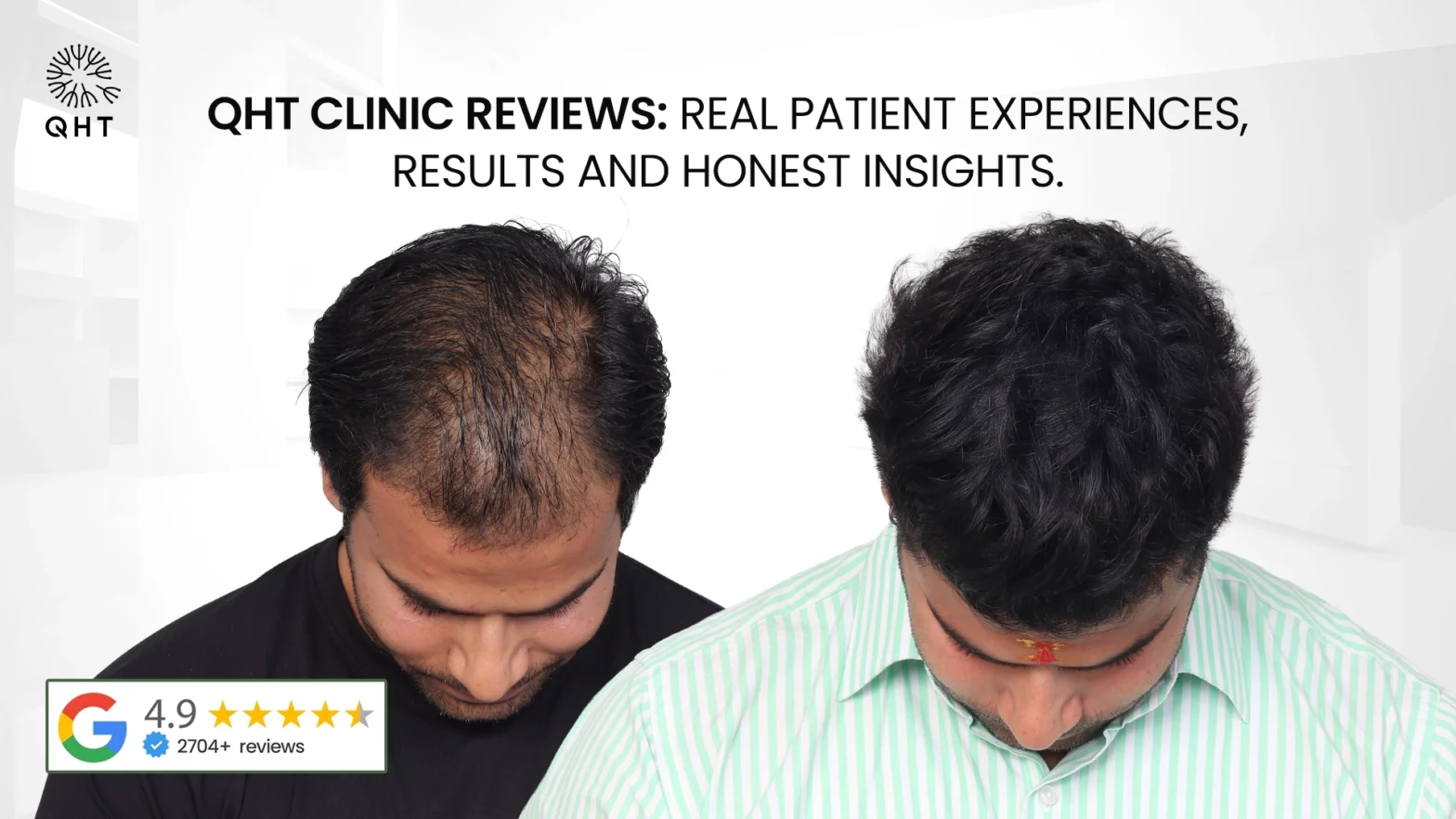
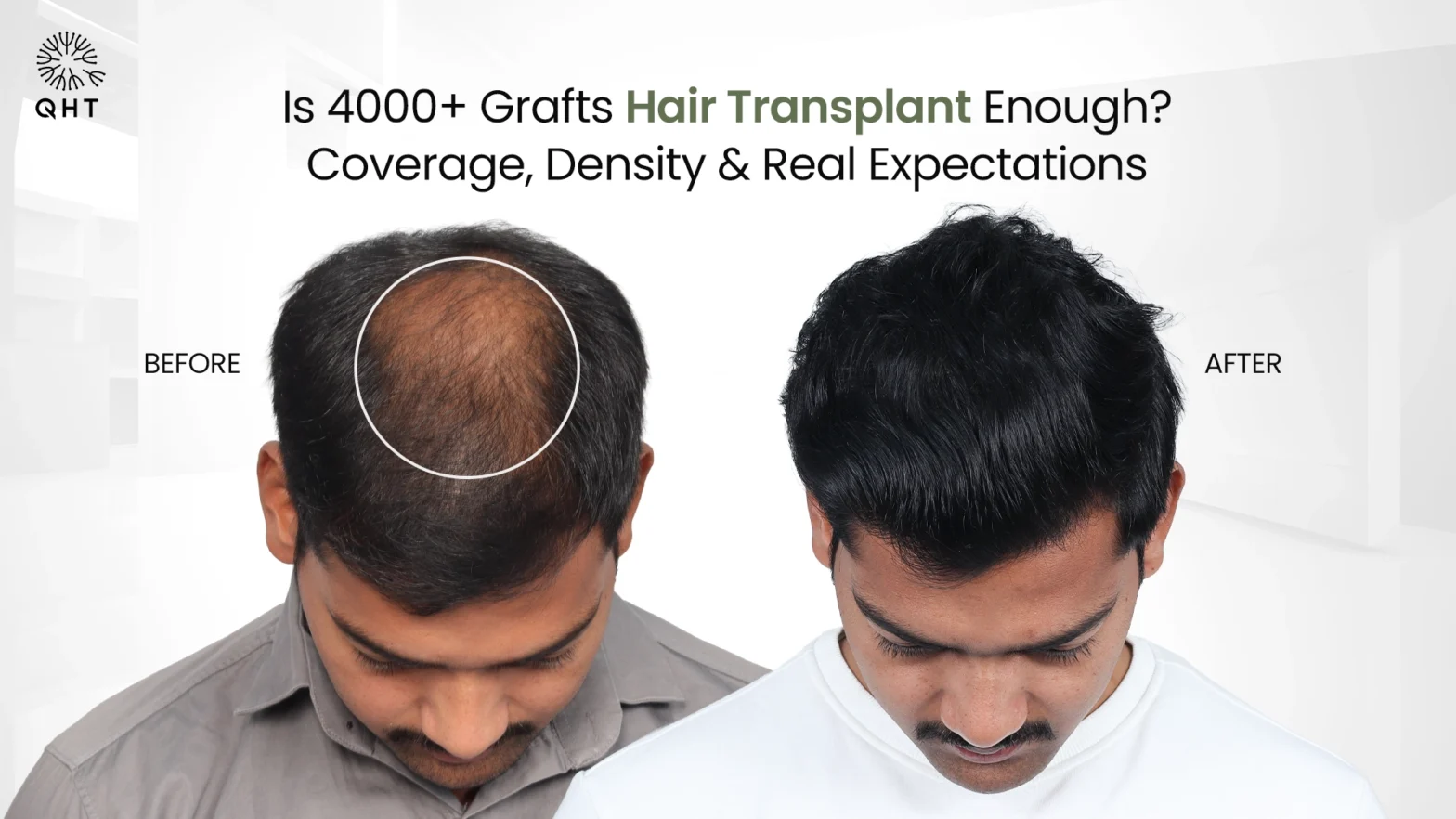
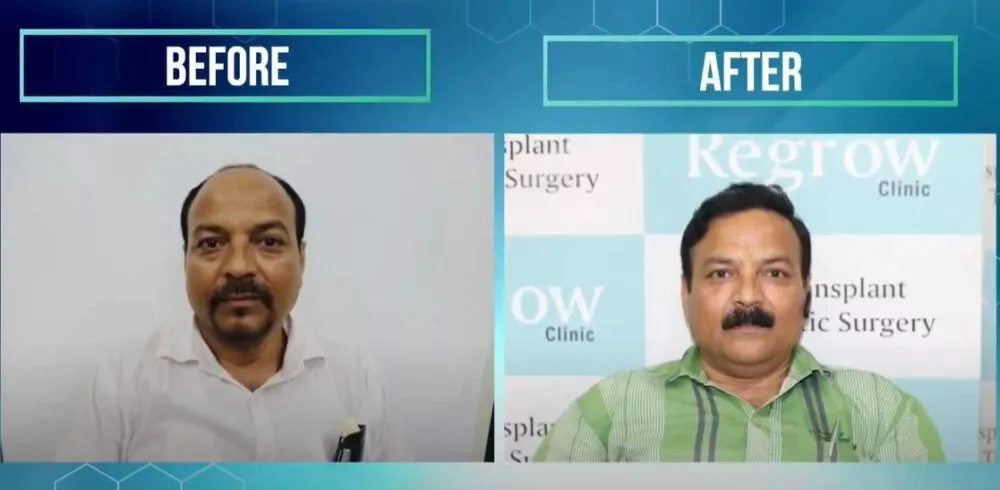
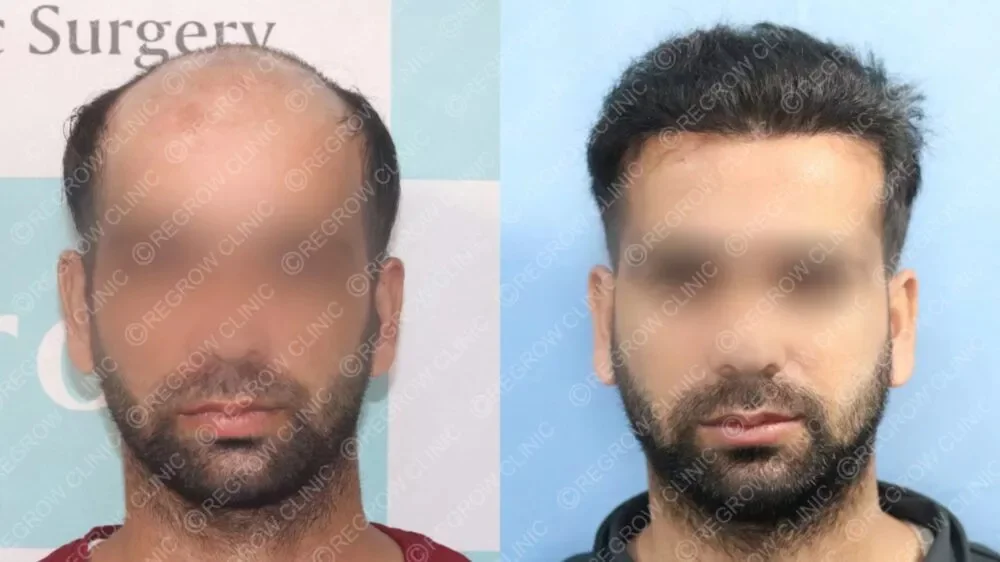
Before-and-after photographic evidence categorized by Norwood grade, graft count, and technique allows prospective patients to evaluate the clinic’s range of work objectively. Results from patients with a similar hair loss profile and desired aesthetic are the most informative. Video testimonials and independently verified patient reviews provide additional confidence in the clinic’s track record.
Post-Operative Care Protocol and Follow-Up Structure
The quality of post-operative guidance, structured follow-up visits, and access to clinical support during recovery directly influences graft survival and final density. Ask for a detailed description of the aftercare programme before committing to any clinic. Reputable providers should offer a clear timeline, know exactly what they will monitor at each stage, and be reachable for patient queries between appointments.
EMI and Financing Options
Many established clinics in India offer zero-cost EMI plans in partnership with major banks and financial providers, making high-quality hair restoration financially accessible without compromising on treatment standards. Patients comparing options should factor in the availability and terms of financing as part of the overall value assessment.
Yes. Hair transplantation is a permanent surgical solution to hair loss. Donor follicles are harvested from the back and sides of the scalp, regions genetically resistant to DHT-related baldness. Once transplanted, these follicles produce naturally growing hair for life and do not require ongoing medication to sustain the result.
Most patients return to normal daily activities within seven to ten days. Redness and scabbing at the surgical sites resolve within two weeks. Transplanted hair sheds in the first four weeks as part of the normal hair growth cycle. New growth begins around three to four months, and full, permanent density is typically visible by nine to twelve months post-procedure.
No. Hair transplant surgery is performed under local anaesthesia, which renders the procedure pain-free. Mild soreness or tightness in the donor and recipient areas may be present in the days following surgery and is easily managed with prescribed medication. Most patients find the experience considerably more comfortable than they anticipated.
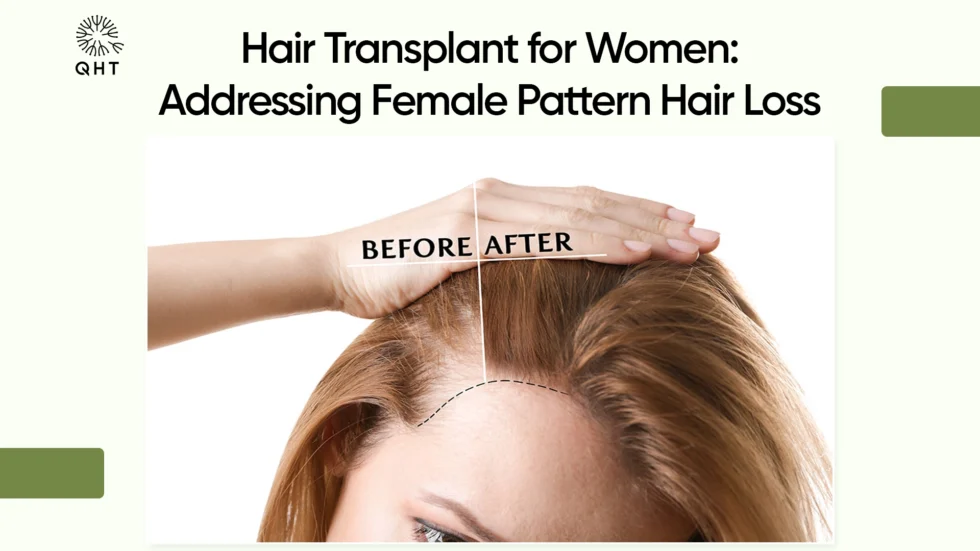
Yes. Female hair transplantation is performed at specialized clinics across India. Female hair loss typically manifests as diffuse thinning, hairline recession, or patchy loss rather than complete baldness. Procedures tailored to female patterns, including hairline lowering and temple restoration, are available using FUE and QHT techniques. Medical therapies are often recommended alongside surgery for optimal long-term outcomes.
Hair transplant procedures in India typically cost 60 to 80 percent less than comparable procedures in the United Kingdom, United States, or UAE, without a proportionate reduction in quality at leading clinics. An FUE procedure that costs between Rs. 1,00,000 and Rs. 2,50,000 in India might cost the equivalent of Rs. 6,00,000 to Rs. 15,00,000 or more in Western markets. This differential makes India one of the most sought-after medical tourism destinations for hair restoration globally.
Yes. Beard, chest, and back hair can supplement scalp donor supply when scalp donor reserves are insufficient, most commonly in patients with Norwood grade 6 or 7 baldness. Body hair extraction requires specialist expertise and is typically combined with scalp hair in the same session to achieve natural-looking density and textural harmony.
QHT is a technical advancement on standard FUE. Its defining advantage is that simultaneous extraction and implantation dramatically reduces graft out-of-body time to under two hours, compared to several hours in conventional FUE. This translates into higher graft survival rates, superior final density, more precise angulation of implanted follicles, and faster post-operative healing. The higher cost of QHT is generally justified by the measurably better outcomes it produces, particularly for patients requiring high graft counts or seeking maximum density.
Graft requirements are determined by the Norwood grade, desired density, scalp coverage area, and individual donor capacity. Norwood 2 and 3 cases typically require 800 to 1,800 grafts. Norwood 4 and 5 cases generally need 2,000 to 3,200 grafts. Advanced Norwood 6 and 7 cases may require 4,000 to 6,000 grafts or more. A precise estimate is only possible following a detailed scalp assessment with digital trichoscopy at a specialist clinic.
A Final Word on Making the Right Decision
Hair transplantation is one of the most consequential cosmetic decisions a person makes. The permanence of the outcome, for better or worse, means that the choice of clinic, surgeon, and technique carries long-term implications that far outlast the initial cost differential between options.
India in 2026 offers a remarkable combination of surgical expertise, advanced technology, and pricing that is genuinely accessible relative to global benchmarks. The cities of Delhi, Mumbai, Bangalore, and Hyderabad in particular host clinics that operate at internationally comparable standards. Patients who invest time in thorough due diligence, seek consultations at multiple reputable clinics, and prioritize surgical quality over cost savings are consistently the most satisfied with their long-term results.
If you are beginning your hair restoration journey, the most important step is not comparing prices online. It is booking a comprehensive in-person consultation with a certified trichologist and surgeon who can assess your specific scalp, explain your realistic options, and provide a transparent, honest treatment plan tailored to your needs and expectations.
Book a Consultation Today
Latest Videos
-

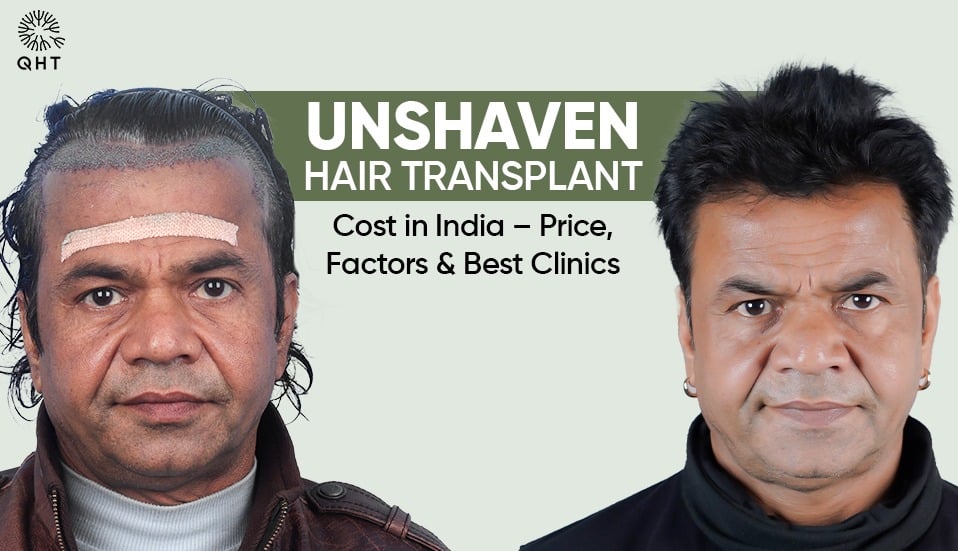
Rajpal Yadav | Bollywood Actor Hair Transplant Journey at QHT Regrow Clinic Haridwar
Click to Watch
-

FUE Hair Transplant Results | DAYA's FUE Hair Transplant Results
Click to Watch
-

Best Hair Transplant Result 2021 || NW Grade VI A || 3,422 Grafts
Click to Watch
-
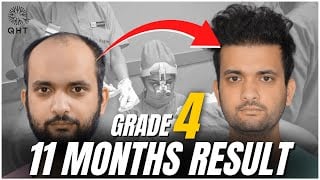
Best Hair Transplant Result 2022 | Grade 4
Click to Watch
-

YouTuber Mehtab Saifi Hair Transplant
Click to Watch
-

ACP Pradyuman Hair Transplant - Actor's Hair Transplant
Click to Watch